I remember standing in my laundry room ten years ago, staring at a mountain of mismatched socks and grass-stained jeans, feeling like I was losing a war against my own household. Back then, I thought I needed those fancy, expensive scented beads and high-tech detergents that cost a small fortune just to make everything smell “fresh.” Honestly, most of those expensive laundry products are just marketing fluff designed to empty your wallet. I’ve learned the hard way that you don’t need a chemistry degree or a massive budget to get your clothes clean; you just need a few sensible laundry tips that actually work in a real, busy home.
I’m not here to sell you on some miracle cleaning solution or a complicated system that takes hours to maintain. Instead, I want to share the practical, no-nonsense habits I’ve picked up from years of managing a household on a budget. I’ll show you how to protect your favorite fabrics, save a little money on your utility bills, and finally stop that endless cycle of folding and re-folding. We’re going to keep this simple and effective, so you can spend less time wrestling with the washing machine and more time enjoying your life.
Table of Contents
Sorting Laundry by Color to Prevent Endless Rework
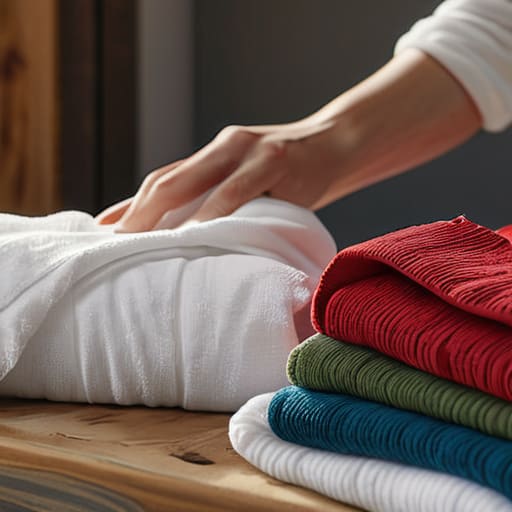
I know it feels like an extra chore when you’re already tired, but sorting laundry by color is the single best way to save yourself a headache later. I learned the hard way back when my youngest was a toddler—one rogue red sock in a load of whites can turn your whole basket a sad, dusty pink. It’s much easier to take thirty seconds now than to spend an hour trying to fix a ruined shirt with some desperate stain removal techniques that might not even work.
I usually break things down into three simple piles: whites, lights (think creams and pastels), and darks. If you’re feeling extra careful, keep your new jeans or anything bright red in a separate small load until you’re sure they won’t bleed. It’s not about being perfect; it’s just about protecting your investment in the clothes you wear every day. When you get the sorting right from the start, you aren’t just saving your fabrics—you’re saving yourself the frustration of having to re-wash everything.
Mastering Stain Removal Techniques Before They Set
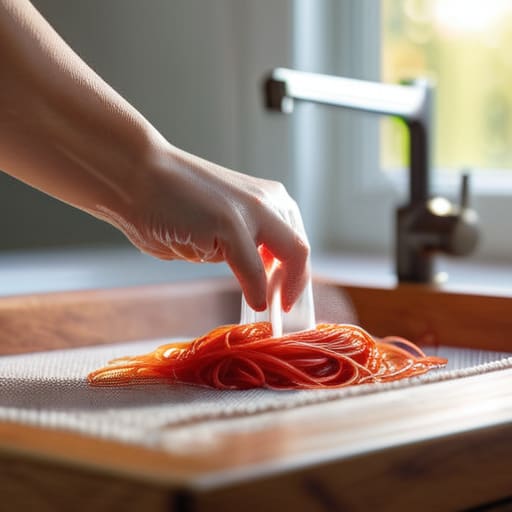
If there’s one thing I’ve learned from years of dealing with spilled spaghetti sauce and grass stains from the kids, it’s that timing is everything. Once a stain hits the dryer, it’s basically part of the fabric forever. I always tell my neighbors to keep a little spray bottle of diluted dish soap or a stain remover stick right by the utility sink. As soon as you spot a mishap, dab it—don’t rub it, or you’ll just push the mess deeper into the fibers—and let it sit for a few minutes before it even touches the hamper.
When it comes to effective stain removal techniques, you have to match the treatment to the mess. For oily spots, a bit of grease-cutting dish soap works wonders, while protein stains like blood or milk usually need cold water to keep things from “cooking” into the cloth. If you’re ever in doubt, check the care label first. Following a simple fabric care guide for your specific items can save you from a ruined sweater and a very expensive trip to the mall.
Small Habits to Save Your Clothes (and Your Sanity)
- Stop overdoing the detergent. I learned the hard way that more soap doesn’t mean cleaner clothes; it just means more suds to rinse out and a buildup of gunk in your machine. Stick to the lines on the cap, or better yet, use a little less than you think you need.
- Turn your clothes inside out before they hit the wash. This is a lifesaver for my favorite dark jeans and graphic tees. It keeps the colors from fading as fast and protects the pretty bits from getting rubbed raw against the drum.
- Check your pockets every single time. I can’t tell you how many times I’ve pulled a crumpled receipt or a stray coin out of a wet load, or worse, dealt with a ruined sweater because a rogue lipstick was hiding in a pocket. It only takes five seconds to double-check.
- Don’t let the clean laundry sit in the basket. If you can, pull it out as soon as the buzzer goes off. If it sits there damp and crumpled for a day, you’re going to spend twice as much time fighting wrinkles with an iron later.
- Use the right temperature for the job. I use cold water for most of my daily loads to save on the energy bill and keep my clothes from shrinking, then I save the hot water for those heavy towels and bedsheets that need a good deep clean.
A Few Quick Lessons to Remember
Don’t let your laundry pile up into a mountain; tackling smaller loads more often keeps things manageable and prevents stains from setting in for good.
Stop wasting money on fancy detergents and just focus on using the right amount—too much soap is a waste of cash and leaves your clothes feeling gummy.
Always check your pockets and read those care labels, because a single stray pen or a misunderstood setting can turn a quick wash into a costly headache.
## A Little Care Goes a Long Way
“Laundry isn’t just about getting the dirt out; it’s about making sure your clothes actually last long enough to get you through another season without needing a replacement.”
Marion Kessler
Making Laundry Work for You
At the end of the day, keeping up with the laundry isn’t about being perfect or having a high-tech machine that does everything for you. It’s really just about those small, intentional steps we talked about—taking a moment to sort those colors so you aren’t stuck re-washing a pink shirt, and tackling those stains while they’re still fresh. When you stop treating laundry like a mountain of chores and start seeing it as a series of simple, manageable habits, the whole process feels a lot less heavy. It’s about working smarter, not harder, so you can get through the pile and get back to your real life.
I know there are days when the hamper is overflowing and it feels like you’re just spinning your wheels, but don’t let it get you down. We’ve all been there. Just remember that a little bit of organization goes a long way in keeping your home feeling calm and under control. You don’t need a fancy lifestyle overhaul to make things run better; you just need to take it one load at a time. Take a deep breath, grab your detergent, and know that you’ve got this. Small wins lead to big changes, and a tidier home starts right here in your laundry room.
Frequently Asked Questions
Is it actually worth it to separate my whites from my lights, or can I just throw it all in together to save time?
Look, I get it. When you’re staring at a mountain of clothes after a long day, the last thing you want to do is play color-sorter. But if you want your whites to actually stay white, you’ve got to separate them. If you toss everything in together, those “lights” will eventually turn a dingy, muddy grey. It’s not worth the extra trips to the store to buy new shirts just because your old ones lost their brightness.
How much detergent do I really need to use without wasting money or hurting my machine?
Look, I used to think more suds meant cleaner clothes, but that’s just a recipe for a headache. Using too much detergent actually leaves a film on your fabrics and can gunk up your machine’s sensors over time. Most of those fancy little caps are way too big, too. Stick to the lines on the cap—usually just two tablespoons for a standard load is plenty. It saves you money and keeps your washer running longer.
What’s the best way to handle those stubborn, dried-on stains that didn't come out the first time?
Now, don’t panic—we’ve all been there. If a stain survived the first wash, it’s likely set in, but it isn’t always a lost cause. I usually start by soaking the item in a mixture of warm water and a bit of heavy-duty liquid detergent overnight. If that doesn’t budge it, try a paste of baking soda and water. Rub it in gently, let it sit, and then try a second wash. Patience is key here.