I used to see those flashy, expensive “specialty” sprays in the grocery aisle and think, there’s no way a ten-dollar bottle of lemon-scented chemicals is actually better than what I’ve got under the sink. It honestly used to frustrate me how much marketing tries to convince us that cleaning requires a chemistry degree and a massive budget. I’ve spent years scrubbing through grease and fingerprints in my own kitchen, and I’ve learned the hard way that figuring out how to clean stainless steel doesn’t have to mean emptying your wallet or wasting your Saturday afternoon on complicated rituals.
I’m not here to sell you on any miracle products or fancy gadgets that just end up cluttering your cabinets. Instead, I want to share the tried-and-true methods I’ve used to keep my appliances looking bright without the headache. I’ll show you how to get rid of those stubborn smudges using simple things you probably already have in your pantry. My goal is to give you a straightforward plan that works, so you can spend less time scrubbing and more time actually enjoying your home.
Table of Contents
Removing Fingerprints From Stainless Steel Without the Struggle
We’ve all been there—you spend twenty minutes getting the kitchen looking just right, only to walk over and see a dozen smudge marks from everyone grabbing a snack. It’s frustrating, but you don’t need a cabinet full of expensive specialty sprays to fix it. Honestly, the most effective way of removing fingerprints from stainless steel is usually sitting right in your pantry. I like to keep a small spray bottle of diluted white vinegar handy. It cuts right through that oily residue without leaving a film behind.
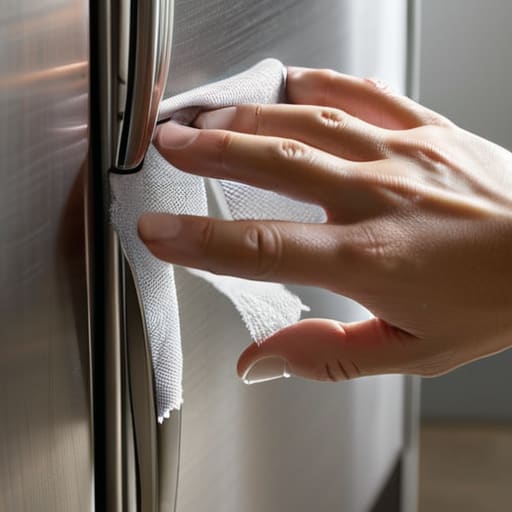
The trick, though, is all in the movement. You can’t just scrub in circles like you’re washing a car; you have to follow the natural lines of the metal. Always make sure you are cleaning stainless steel grain direction—those tiny, subtle lines you see when the light hits the surface. If you go against the grain, you’ll just end up pushing the smudges deeper into the texture. Once the vinegar has done its job, take a dry microfiber cloth and give it a final buff. It makes the whole appliance look brand new in about thirty seconds.
Cleaning Stainless Steel Grain Direction for a Flawless Finish

Now, if you want your appliances to actually look professional instead of just “wiped down,” you have to pay attention to the grain. I know, it sounds like something a high-end contractor would say, but it’s actually quite simple. Just like wood, stainless steel has a subtle pattern of tiny lines running across the surface. If you scrub against those lines, you’re essentially just pushing dirt deeper into the grooves, which can leave your kitchen looking streaky and dull.
Before you reach for your cloth, take a second to look closely at your fridge or oven. See those faint lines? That’s your roadmap. When you’re cleaning stainless steel grain direction, always move your cloth in the same direction those lines go. Whether you’re using a gentle soap or a DIY mix for cleaning stainless steel with vinegar and oil, following the grain ensures you aren’t leaving behind those annoying little scratches or cloudy patches. It’s one of those small, seemingly tedious steps that makes all the difference in the final result. Once you get into the habit, it becomes second nature.
5 Simple Tricks I Use to Keep My Kitchen Shining
- Stick to the basics with mild dish soap. You don’t need those expensive, specialized sprays that promise the world; a little bit of grease-cutting soap and warm water will do more for your fridge and dishwasher than most of those pricey bottles.
- Always keep a microfiber cloth handy. I learned the hard way that paper towels can sometimes leave behind tiny lint bits or even microscopic scratches, so a soft microfiber cloth is my best friend for a streak-free shine.
- Use a tiny drop of olive oil for that extra luster. If your appliances are looking a bit dull after cleaning, put a tiny bit of oil on a clean cloth and buff it in—just a tiny bit, mind you—to give it that “just polished” look without being greasy.
- Watch out for harsh chemicals like bleach. I know it’s tempting to grab the heavy-duty stuff to get a tough stain, but bleach can actually pit and damage the surface of your stainless steel over time, so keep it far away from your appliances.
- Dry it immediately. One thing I never do is let the water air-dry on the surface. Even if you’ve wiped it clean, grab a dry cloth and go over it one last time to prevent those annoying water spots from forming in the first place.
The Quick Version: What to Remember
Always look for the grain first—wiping with the lines instead of against them is the secret to avoiding those annoying streaks.
Keep it simple by using mild soap and warm water; you don’t need to spend a fortune on specialized sprays that just add more clutter to your cabinets.
Don’t let fingerprints pile up; a quick wipe-down once a day keeps the mess from turning into a real headache later on.
My Golden Rule for a Shiny Kitchen
“You don’t need a cabinet full of expensive, specialty sprays to get a kitchen that shines; most of the time, all you really need is a little bit of patience, a soft cloth, and the sense to follow the grain.”
Marion Kessler
Keeping it Simple
At the end of the day, keeping your appliances looking decent shouldn’t feel like a second job. Just remember the basics: always work with the grain to avoid those annoying streaks, and don’t go reaching for those expensive, specialty sprays that promise the world but usually just cost more. Most of the time, a little mild soap, some warm water, and a soft cloth are all you really need to get the job done. If you run into a stubborn smudge or a nasty fingerprint, just a quick, gentle wipe is usually enough to get things back on track without any heavy lifting. It’s all about consistency over intensity, so don’t feel like you have to scrub until your arms ache every single time.
I know it can feel like there’s always one more thing to clean or one more way to do it “right,” but please don’t let a few smudges on the fridge get you down. Your home is meant to be lived in, not kept under a glass case like a museum piece. If you take five minutes once a week to give your stainless steel a quick once-over, you’ll find that the whole kitchen just feels a little more calm and put together. You don’t need a massive budget or fancy gadgets to have a home you’re proud of; you just need a few good, simple habits that work for your real, busy life.
Frequently Asked Questions
Can I use vinegar and olive oil to polish my appliances, or will that leave a greasy mess?
You absolutely can, and honestly, it’s one of my favorite pantry hacks. The vinegar acts as a great cleaner to cut through grime, while a tiny bit of olive oil adds that lovely shine. The trick to avoiding a greasy mess is all in the amount. Use just a few drops of oil on a soft cloth and buff it in well. If it feels tacky, you’ve used too much—just wipe it again with a dry cloth.
Is it safe to use those abrasive scouring pads, or am I just going to scratch the surface?
Oh, I am so glad you asked that. Please, put those heavy-duty scouring pads back in the cupboard! I learned that the hard way a few years back when I tried to scrub a stubborn spot off my fridge. If you use anything too abrasive, you’ll end up with tiny scratches that catch the light and make the whole thing look dull. Stick to a soft cloth or a gentle sponge—your finish will thank you.
What's the best way to get rid of stubborn water spots and those annoying white cloudy streaks?
Those cloudy streaks are the worst, especially when you feel like you’ve just cleaned everything. Usually, that’s just mineral buildup from your tap water. Don’t go buying some expensive specialty chemical, though. Just grab a little white vinegar in a spray bottle. Spritz it on, let it sit for a minute, and wipe it down with a soft cloth. If it’s really stubborn, a tiny drop of dish soap helps, but vinegar is your best friend here.