
I still remember the chaos of my first big move with two toddlers in tow; I was sitting on a floor covered in half-taped cardboard boxes, surrounded by nothing but lukewarm takeout and the overwhelming feeling that I’d completely failed. I had spent way too much money on those fancy, color-coded organizational kits you see in glossy magazines, only to realize they didn’t do a lick of good when I couldn’t find my coffee maker on day one. Most of the moving tips you find online these days are either way too expensive or far too complicated for a real person living a real life. You don’t need a professional organizer or a mountain of designer labels to get through this; you just need a solid plan that doesn’t break the bank.
In this guide, I’m stripping away the fluff and giving you the straight talk I wish someone had handed me back when I was knee-deep in packing tape. I’m going to share my tried-and-true, budget-friendly strategies for decluttering, packing smart, and keeping your sanity intact from the first box to the last. We aren’t aiming for perfection here—we’re aiming for a smooth transition that lets you actually enjoy your new home.
Table of Contents
Decluttering Before a Move to Lighten the Load
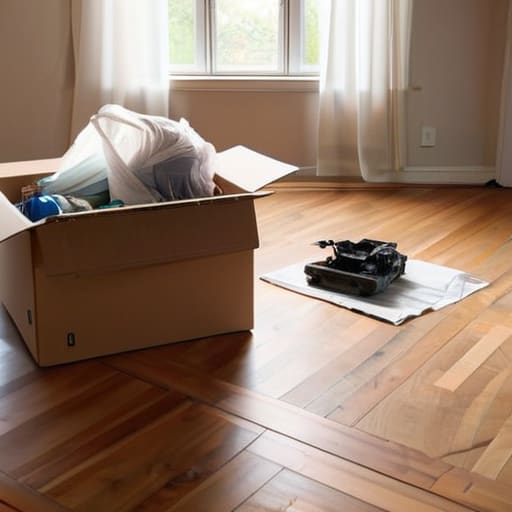
Before you even touch a roll of packing tape, you have to face the truth: you probably don’t need half the stuff currently sitting in your closets. I learned this the hard way during my first big move; I spent three days packing old kitchen gadgets I hadn’t used in years, only to realize I was paying a moving company to haul around literal trash. Decluttering before a move isn’t just about making your life easier; it’s one of the smartest ways to help with budgeting for relocation costs. The less weight you move, the less you pay, and the less chaos you’ll have to sort through in your new kitchen.
My rule of thumb is to go room by room and ask yourself, “If I were shopping today, would I buy this again?” If the answer is no, it goes. I like to set up three zones in my living room: Keep, Donate, and Toss. This simple system keeps your relocation planning timeline on track because you aren’t wasting precious hours deciding what to do with a chipped mug. Once you’ve thinned out the herd, you’ll find that your actual packing job becomes much more manageable.
Mapping Out Your Relocation Planning Timeline
Now, if you try to tackle everything in the final week, you’re going to end up exhausted and likely missing a few important things. I’ve learned the hard way that a solid relocation planning timeline is the only thing standing between a smooth transition and a total meltdown. I like to work backward from my move date. Start about eight weeks out by handling the big stuff—like notifying your landlord or deciding if you need a professional crew. This gives you plenty of breathing room to tackle the moving company hiring guide research so you aren’t stuck with whoever happens to be available at the last minute.
As you move into the four-week mark, that’s when the heavy lifting begins. This is the time to start gathering your packing supplies essentials—don’t wait until you’re halfway through a box to realize you’ve run out of tape! I usually spend one week focusing solely on the non-essentials, like books and seasonal decor, so the frantic energy of the final days is reserved for things you actually need, like your coffee maker and basic toiletries. Staying organized in stages keeps the chaos at bay.
Five Ways to Keep the Chaos at Bay During Move Week
- Pack an “Essentials Box” for your first night. I’m talking about the things you’ll be scrambling for at 10:00 PM when you’re exhausted: a change of clothes, basic toiletries, phone chargers, a roll of toilet paper, and maybe a few coffee mugs. You don’t want to be digging through five taped-up boxes just to find your toothbrush.
- Don’t skimp on the good tape. There is nothing more frustrating than being halfway through sealing a heavy box of kitchenware only to have the tape snap or peel off. Spend the extra couple of bucks on the heavy-duty stuff; your future, tired self will thank you.
- Label your boxes by more than just the room name. Instead of just writing “Kitchen,” try writing “Kitchen: Pots, Pans, and Baking Sheets.” It takes an extra five seconds, but it saves you twenty minutes of searching every time you need to make a sandwich.
- Take photos of your electronics before you unplug them. I learned this the hard way years ago. Snap a quick picture of the back of your TV and your computer setup so you know exactly where all those messy wires go when you’re trying to get everything working in the new place.
- Eat down your pantry before the big day. Moving heavy cans of beans and boxes of pasta is a waste of energy and money. Try to plan your meals around what you already have in the cupboard for the two weeks leading up to the move, so you aren’t hauling unnecessary weight or buying double groceries.
Quick Wins to Keep Your Move on Track
Don’t let the “everything” mindset paralyze you; focus on one small area at a time, like a single junk drawer or a linen closet, so you actually see progress.
Stick to a timeline that works for your real life, not a perfect one, and build in a few “buffer days” for when life inevitably gets messy or a box doesn’t quite close.
Remember that every item you declutter now is one less thing you have to pay to move and one less thing you’ll have to unpack in your new home.
A Little Wisdom for the Road
Moving isn’t just about hauling boxes from one house to another; it’s about deciding what parts of your life are actually worth the heavy lifting and what’s just extra weight you don’t need to carry into your next chapter.
Marion Kessler
Taking a Deep Breath Before the Big Day
I know it all feels like a mountain of work right now, but remember that you don’t have to climb it all in one afternoon. We’ve talked about the heavy lifting—getting rid of the clutter you don’t need and mapping out a timeline so you aren’t scrambling at the last minute. If you stick to those small, manageable steps, you’ll find that the chaos starts to settle into something much more controllable. It’s not about having a perfect, Pinterest-worthy move; it’s about making sure you have the essentials ready and a plan that keeps your stress levels from hitting the ceiling.
At the end of the day, a move is more than just hauling boxes from one zip code to another; it’s the start of a brand-new chapter in your life. There will be moments when you’re sitting on the floor of an empty living room, surrounded by bubble wrap, wondering if you made the right choice. In those moments, just remember why you started this journey in the first place. Take it one box, one room, and one day at a time. You’ve got the grit to handle the hiccups, and before you know it, you’ll be settled in, sipping a cup of coffee, and feeling right at home.
Frequently Asked Questions
How do I decide what's actually worth packing versus what's just taking up space and money?
Here’s the trick I use: I ask myself, “If I were starting fresh in a brand-new house tomorrow, would I go out and buy this again?” If the answer is no, it’s probably just baggage. Don’t let sentimentality trick you into paying a mover to carry something you haven’t touched in three years. If it’s broken, outdated, or just “might be useful someday,” let it go. Your future self (and your bank account) will thank you.
What are some clever ways to pack fragile kitchen items without spending a fortune on bubble wrap?
You don’t need to spend a fortune at the packaging store to keep your good china safe. I always raid my pantry first. Use your dish towels, thick winter socks, or even those clean tea towels to wrap plates and glassware. For smaller bits, crumpled-up newspaper or even clean egg cartons work wonders in the gaps. It keeps the breakage down and saves you a trip to the store—and a dent in the budget.
How can I keep track of my important documents and moving expenses so I don't lose my mind (or my budget) halfway through?
I swear, if I hadn’t started using a single accordion folder, I would’ve lost my mind—and my security deposit—years ago. Get yourself one sturdy, bright-colored folder for all those “must-haves”: leases, birth certificates, and moving contracts. For the money side, don’t bother with fancy apps. Just grab a simple spiral notebook or a basic spreadsheet to jot down every receipt and moving fee as they happen. It keeps the chaos contained.