I remember sitting at my kitchen table three years ago, staring at a mountain of utility bills, medical receipts, and school forms that had somehow migrated from my purse to the countertop. The sheer weight of it felt like a physical pressure in my chest, making me wonder if I’d ever truly feel like I had my life together. I used to think that learning how to organize paperwork meant buying those fancy, color-coded accordion files or expensive desktop organizers you see in those glossy home magazines. But let me tell you, those things just end up becoming expensive graveyard for clutter if you don’t have a real plan.
I’m not here to sell you on a complicated system that requires a PhD to maintain. Instead, I want to share the practical, low-cost methods that actually worked for me when I was raising two kids on a single income and a shoestring budget. I’m going to walk you through a few simple, no-nonsense habits to help you sort the “keep” from the “toss” and find a home for everything. We’re going to reclaim your counters and your peace of mind, one folder at a time.
Table of Contents
- Smart Paperwork Decluttering Tips for a Clearer Mind
- Sorting Important Documents to Reclaim Your Physical Space
- Five Simple Ways to Keep the Paperwork from Taking Over
- Making It Stick: Three Simple Habits for Long-Term Success
- A Little Peace of Mind
- Taming the Paperwork Monster Once and For All
- Frequently Asked Questions
Smart Paperwork Decluttering Tips for a Clearer Mind
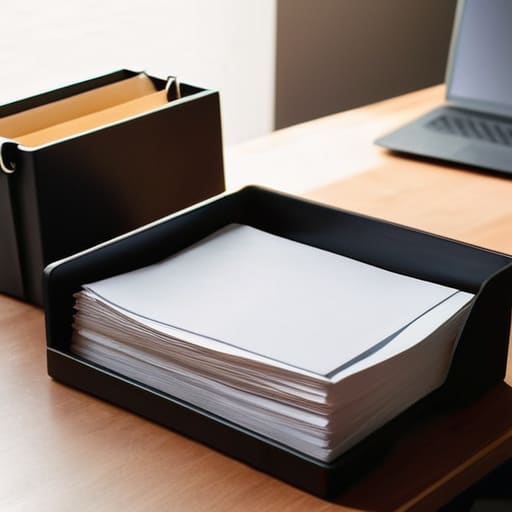
When it comes to tackling the mess, I’ve learned that you can’t just move piles from one side of the desk to the other and call it a day. You have to actually face the paper. I like to start by sitting down with three physical piles: keep, shred, and toss. When you’re sorting important documents, be ruthless. If it’s a utility bill from three years ago that you can easily find online, it doesn’t deserve a spot in your precious filing space.
Once you’ve thinned out the herd, it’s time to find a home for what’s left. I’m a big believer in organizing household records by category rather than by date. Group things like medical records, home improvement receipts, and tax documents into separate folders. If you’re feeling a bit more tech-savvy, I highly recommend a little digital document scanning for those things you need to reference but don’t actually need to hold in your hands. It keeps the physical clutter down and ensures you aren’t digging through dusty drawers every time you need to check a warranty.
Sorting Important Documents to Reclaim Your Physical Space
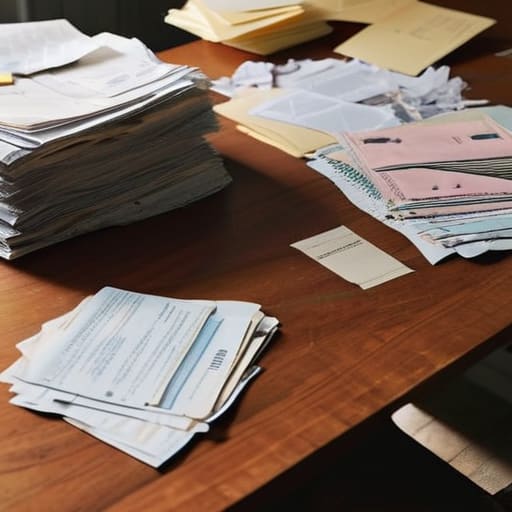
Once you’ve cleared the surface clutter, it’s time to face the real beast: the piles of actual paper. I used to think I needed a high-tech document management system to stay on top of things, but honestly, what I really needed was a simple way of sorting important documents into categories that actually make sense for my life. I like to divide everything into three piles: “Act Now” (the bills that need paying), “Keep Forever” (birth certificates, house deeds, and tax returns), and “Trash/Shred.” If you haven’t looked at a piece of paper in a year and it isn’t a legal necessity, it’s likely just taking up precious real estate in your home.
For the stuff you definitely need to keep, don’t overcomplicate it. I’ve found that a basic filing cabinet organization system works wonders—just use sturdy manila folders and label them clearly so you aren’t hunting through drawers for twenty minutes when you’re in a rush. If you’re worried about losing things, a little bit of digital document scanning can be a lifesaver. I use my phone to snap a quick photo of receipts or medical records, then toss the paper. It keeps the physical clutter down while giving you that peace of mind.
Five Simple Ways to Keep the Paperwork from Taking Over
- Grab a few sturdy, inexpensive accordion folders from the dollar store and label them clearly—think “Tax Stuff,” “Medical,” and “House/Auto”—so you aren’t hunting through a mountain of loose sheets when you’re already stressed.
- Set up a “One-Touch” station near your entryway with a small tray or even just a designated spot on the counter; the second a bill or flyer comes in, it goes there immediately instead of drifting toward the kitchen table.
- Make it a habit to shred or recycle junk mail the moment you walk through the door; if you don’t need it, don’t let it sit in your house for even five minutes, because those little scraps have a way of multiplying.
- Create a “Digital Backup” routine once a month where you snap a quick photo of your most vital receipts or contracts with your phone; it’s not a perfect system, but it beats losing a paper trail to a spilled cup of coffee.
- Schedule a “Paperwork Power Hour” on the first Sunday of every month—set a timer, put on some music, and just tackle the pile—so the task stays a manageable habit rather than a looming disaster.
Making It Stick: Three Simple Habits for Long-Term Success
Don’t let the pile grow back; set aside ten minutes every Sunday evening—maybe while you’re having your coffee—to sort through the week’s mail so it never hits the kitchen counter.
Keep your most important “must-haves,” like birth certificates and house deeds, in one single, fireproof spot so you aren’t hunting for them in a panic when you actually need them.
Stop hoarding every receipt and manual; if you can find the information online in thirty seconds, toss the paper and clear that drawer space for something more useful.
A Little Peace of Mind
“A stack of unfiled papers isn’t just clutter on your desk; it’s a tiny, nagging weight on your brain that tells you you’re behind. When you finally get those documents into their proper homes, you aren’t just cleaning a drawer—you’re giving yourself permission to actually relax.”
Marion Kessler
Taming the Paperwork Monster Once and For All
At the end of the day, organizing your paperwork isn’t about having a perfectly curated office that looks like something out of a magazine; it’s about making sure you aren’t hunting for a birth certificate or a utility bill while you’re already stressed out. We’ve covered a lot—from the initial decluttering to setting up those specific folders for your most vital documents. Remember, the goal is to create a system that actually works for you, not a system that becomes just another chore on your to-do list. If you can just get those piles off the kitchen counter and into a dedicated spot, you’ve already won half the battle.
I know it can feel overwhelming when you’re staring at a mountain of envelopes and old receipts, but please don’t feel like you have to tackle it all in one afternoon. Just grab one small pile, set a timer for fifteen minutes, and see how far you get. You’ll find that as the paper clears, your mind starts to feel a little lighter, too. A tidier desk leads to a calmer heart, and that’s worth every minute of effort. You’ve got this, and I promise, once you get started, you’ll be so glad you did.
Frequently Asked Questions
What should I do with old tax returns and medical records if I'm not sure how long I'm legally required to keep them?
I know that feeling—staring at a mountain of folders and wondering if you’re tossing a legal lifeline or just clearing junk. For tax returns, I usually keep the last seven years; that covers most IRS audit windows. As for medical records, keep anything related to major surgeries or long-term treatments indefinitely, but those old flu shot records from 2012? You can probably let those go. When in doubt, keep it for three years, then shred.
How do I handle all those random receipts and coupons without them just becoming another pile of clutter?
I used to let those little slips of paper migrate from my purse to the kitchen counter until I couldn’t see the granite anymore. Now, I keep a small accordion file right by the door. I toss receipts in immediately—one slot for returns, one for tax stuff. As for coupons, if you don’t use them within the month, let them go. Don’t hoard paper clutter just because it might save you fifty cents later.
Is it actually worth the effort to scan everything into a computer, or is a good old-fashioned filing cabinet still the way to go?
Honestly, I’m a big believer in a middle ground. I don’t think you need to scan every single grocery receipt—that’s just a recipe for digital clutter. But for the big stuff, like birth certificates or house deeds, keep the originals in a sturdy, fireproof file box. For everything else, like tax returns or medical records, a quick scan is a lifesaver. It saves space and keeps things searchable without losing that physical security.