
I used to think that being “productive” meant sitting in my desk chair until my back ached and my eyes blurred, fueled by nothing but lukewarm coffee and sheer willpower. I’d stare at the screen, watching the clock crawl, convinced that if I just pushed through one more hour without stopping, I’d finally get ahead. But let me tell you, that’s a lie that just leaves you exhausted and ineffective by 3:00 PM. I learned the hard way that learning how to take better breaks isn’t about being lazy or escaping your responsibilities; it’s about giving your brain the tiny bit of breathing room it needs so you don’t crash and burn before the day is done.
I’m not going to give you any of that high-priced “wellness retreat” nonsense or tell you that you need a fancy meditation app to reset. Instead, I want to share the simple, common-sense habits I’ve picked up over the years that actually work for real people with real lives. We’re going to talk about small, manageable ways to step away from the grind that won’t cost you a dime, so you can finish your workday feeling capable rather than completely drained.
Table of Contents
- Using Micro Breaks for Focus Without Losing Your Momentum
- Smart Mental Recharge Strategies for a Calmer Workday
- Five simple ways to actually reset when you're in the thick of it
- A few things to remember when you're resetting
- A little perspective on the midday grind
- Making it stick
- Frequently Asked Questions
Using Micro Breaks for Focus Without Losing Your Momentum
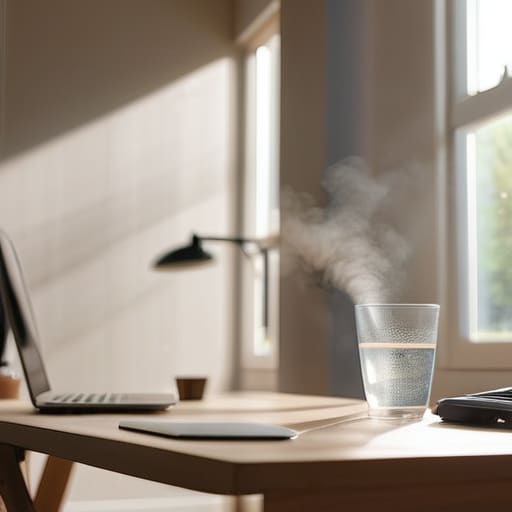
I used to think that if I just kept my head down and pushed through, I’d get more done. But I learned the hard way that staring at a screen for three hours straight doesn’t make you a hero; it just makes you tired and prone to silly mistakes. Instead of waiting until you’re completely fried, I’ve found that micro-breaks for focus are much more effective. We’re talking about just two or three minutes—enough time to stand up, stretch your legs, or grab a glass of water. These tiny pauses act like a pressure valve, preventing cognitive fatigue before it actually sets in and leaves you feeling like a zombie by 3:00 PM.
The trick is to avoid the “scroll trap.” If your “break” is just switching from your work computer to your phone to check social media, your brain isn’t actually resting; it’s still processing information. I prefer a bit of active vs passive rest—meaning, instead of mindless scrolling, I might step outside for a breath of fresh air or just stare out the window for a moment. It sounds simple, but giving your eyes a break from the blue light is one of the best mental recharge strategies I’ve ever used to keep my afternoon productive.
Smart Mental Recharge Strategies for a Calmer Workday

Now, let’s talk about what actually happens in your head when you step away. There is a big difference between active vs passive rest, and knowing which one you need can change your whole afternoon. If you’ve been staring at a spreadsheet for two hours, scrolling through social media on your phone isn’t actually a break—it’s just more screen time. Your brain is still processing information, which is why you often feel just as drained after a “scroll break” as you did before. Instead, try a quick mental recharge strategy like stepping onto the porch for some fresh air or even just doing a few stretches while the coffee brews.
If you find it hard to stop because you’re worried about losing your rhythm, you might want to look into the pomodoro technique benefits. It’s basically just setting a timer for twenty-five minutes of focused work followed by a five-minute reset. It sounds simple, but it’s one of the most effective ways of preventing cognitive fatigue before it sets in. By giving your mind these scheduled little exits, you aren’t just avoiding a burnout; you’re actually teaching your brain how to stay steady and calm until the clock hits five.
Five simple ways to actually reset when you're in the thick of it
- Get away from the screens. I know, it sounds obvious, but if your workday is spent staring at a monitor, scrolling through your phone during your break doesn’t count as a rest. Your eyes and your brain need a break from that blue light. Step into another room, look out a window, or just close your eyes for a minute.
- Move your body, even just a little. You don’t need a full gym session, but standing up and stretching your arms or walking to the mailbox can work wonders. When I’m feeling that mid-afternoon slump, a quick five-minute walk around the house or the yard helps clear the cobwebs better than a third cup of coffee ever could.
- Use the “sensory reset” trick. Sometimes our brains get stuck in a loop of work stress. Try to ground yourself by focusing on something real: the smell of a fresh cup of tea, the feeling of cold water on your face, or even just listening to the birds outside. It pulls you out of your head and back into the moment.
- Stop multitasking during your downtime. If you’re eating your lunch while answering emails, you aren’t actually taking a break; you’re just working while chewing. Give yourself permission to do one thing at a time. Even if it’s just sitting quietly with your sandwich for ten minutes, let that be enough.
- Keep your breaks predictable. I’ve found that if I don’t schedule a moment to breathe, the day just swallows me whole. You don’t need a fancy planner—just try to set a mental habit of stepping away at the same time every day, like right after lunch or halfway through the morning. It gives your brain something to look forward to.
A few things to remember when you're resetting
Don’t wait until you’re hitting a wall to step away; it’s much easier to stay steady if you take those tiny, five-minute resets before the burnout actually sets in.
A real break means more than just staring at a different screen; try to actually move your body or look out a window to give your eyes and your brain a genuine change of pace.
Be kind to yourself on the days when you don’t get it quite right—some days are just heavy, and even a two-minute breathing stretch is a win in my book.
A little perspective on the midday grind
“We tend to treat our energy like an endless well, but the truth is, you can’t pour from an empty cup. Taking ten minutes to step away isn’t ‘wasting’ time; it’s just making sure you actually have the strength to finish the day without feeling like a shell of yourself.”
Marion Kessler
Making it stick

At the end of the day, taking better breaks isn’t about being lazy or avoiding your to-do list; it’s about working smarter so you don’t end the afternoon feeling like a hollowed-out shell. Whether you’re using those tiny micro-breaks to stretch your legs or stepping away entirely to let your brain actually reset, the goal is the same: keeping your focus sharp without burning the candle at both ends. Remember, it’s much easier to manage a steady pace than it is to try and fix a total mental breakdown by 3:00 PM. Just pick one or two of these small shifts and start there—you don’t have to overhaul your entire schedule overnight to see the benefits.
I know how it feels to want to power through every single task just to prove you can, but I’ve learned the hard way that your work will always be better when you’re actually present for it. We spend so much of our lives rushing from one thing to the next that we forget we aren’t machines. Taking a moment for yourself isn’t a luxury you have to earn; it is a necessary part of a productive life. So, give yourself permission to step away, breathe, and come back refreshed. You’ll find that when you take care of yourself, the rest of the day just tends to fall into place a little more smoothly.
Frequently Asked Questions
I feel guilty whenever I step away from my desk; how do I stop feeling like I'm being lazy when I take a break?
Listen, I’ve been there. I used to feel like if I wasn’t hunched over my keyboard, I was failing. But here’s the truth: you aren’t a machine, and machines need maintenance to keep running. Think of a break like a pit stop in a race; you aren’t quitting, you’re preparing to finish strong. If you don’t step away, you’ll just end up making mistakes that take twice as long to fix later.
My job is so unpredictable that I can never plan a set break time—how can I manage to rest when I'm constantly putting out fires?
I hear you, and believe me, I’ve been there—trying to manage a household while the kids are sick or the car breaks down feels exactly like that. When you can’t control the clock, stop looking for a “break” and start looking for “pockets.” Even sixty seconds of deep breathing between those fires or stepping away to grab a glass of water counts. It’s not about a scheduled hour; it’s about those tiny, stolen moments of calm.
Are there any simple, low-cost ways to make my workspace feel more relaxing so I don't feel so drained by noon?
You don’t need a fancy ergonomic overhaul to fix this. I’ve found that small, tactile changes make the biggest difference. Try adding a single, hardy houseplant—like a pothos—to bring some life to your desk, or swap that harsh overhead light for a small, warm lamp. Even just clearing away the clutter and keeping a dedicated “calm” item, like a smooth stone or a nice candle, can ground you when things get hectic.