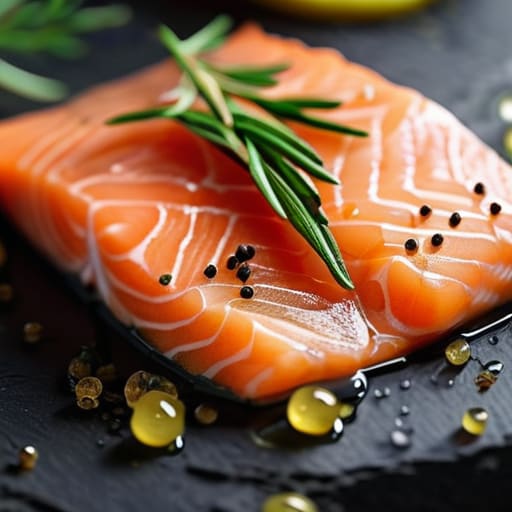
I used to stand in the grocery aisle, staring at those expensive, pre-marinated fillets, thinking there was no other way to do it. For years, I convinced myself that knowing how to cook fish required a fancy culinary degree or a kitchen full of gadgets I couldn’t afford. I’d see those high-end recipe blogs talking about “perfectly seared skin” and “delicate infusions,” and I’d just walk away, settling for a frozen chicken breast instead. It felt like if I couldn’t do it like a professional chef, I shouldn’t bother at all, and honestly, that’s a total waste of good money and a good opportunity for a healthy meal.
But here’s the truth: you don’t need a sous-chef or a mountain of expensive spices to get a delicious dinner on the table. I’m going to show you the straightforward, no-nonsense way to handle a fillet without the stress or the mess. We’re going to talk about real methods that work for busy people on a budget, focusing on simple timing and basic seasoning so you can stop feeling intimidated. My goal is to give you the practical confidence to grab a piece of fish and know exactly what to do with it.
Table of Contents
Choosing the Best Fish for Beginners Every Single Time
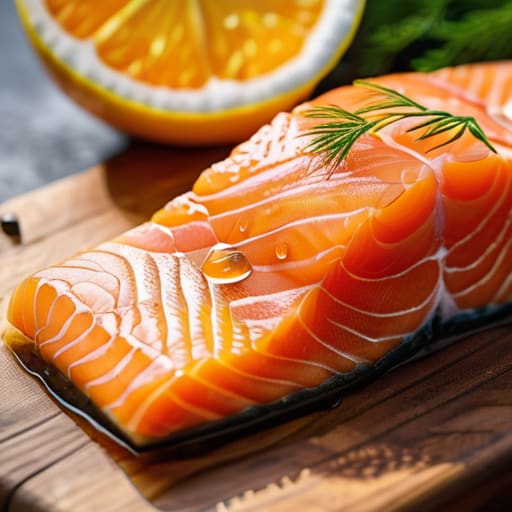
Now, don’t go wandering into the seafood aisle feeling overwhelmed by all the fancy names and different cuts. If you’re just starting out, my best advice is to stick with the “reliable regulars.” I always tell my neighbors to look for something mild and sturdy, like salmon or cod. Salmon is wonderful because it’s a bit more forgiving; even if you leave it in the pan an extra minute, it still tastes great. Cod or tilapia are also fantastic because they take on flavors so easily, making them the best fish for beginners who aren’t quite sure about their seasoning skills yet.
When you’re picking your fillet, give it a little sniff. It should smell like the ocean—salty and fresh—not “fishy” or heavy. If it smells strong, leave it on the shelf. Once you get home, remember that you don’t need a pantry full of expensive spices to make it shine. A little lemon, some salt, and a crack of black pepper is usually all you need for how to season seafood without making a mess. Keep it simple, and you’ll do just fine.
How to Season Seafood for Flavor Without Overcomplicating It
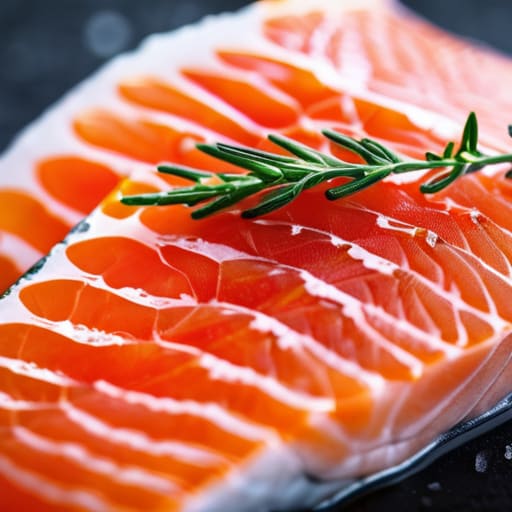
Now, when it comes to how to season seafood, my best advice is to keep it simple. You don’t need a cabinet full of exotic spices to make a decent meal. In fact, if you start piling on too much, you’ll end up masking that lovely, delicate flavor that makes fish so special in the first place. I usually start with the basics: a good pinch of kosher salt, some cracked black pepper, and a squeeze of fresh lemon right before serving. If you’re feeling a little more adventurous, a dusting of paprika or some dried thyme can go a long way, but less is almost always more when you’re working with fresh fillets.
I’ve also learned the hard way that moisture is the enemy of flavor. Before you add any seasoning, grab a paper towel and pat your fish completely dry. If the surface is wet, your spices will just turn into a soggy paste instead of creating that lovely little crust we’re all after. This also goes a long way toward preventing fish from sticking to the pan, which is a headache I know we all want to avoid. Just a little salt, a little acid, and you’re well on your way.
5 Simple Tricks to Keep Your Fish from Turning Into a Disaster
- Pat that fish bone-dry with a paper towel before it hits the pan. If it’s even a little damp, it’s going to steam instead of sear, and you’ll end up with a mushy mess instead of that lovely, golden crust we’re all after.
- Resist the urge to poke and prod it. I know it’s tempting to move it around to see if it’s done, but once you lay that fillet in the pan, leave it alone. Let it cook undisturbed so it develops a good crust and releases easily from the bottom.
- Learn the “flake test” so you don’t overcook it. Instead of guessing with a timer, take a fork and gently press down on the thickest part of the fish. If it flakes apart easily along those natural lines, it’s ready to come off the heat immediately.
- Don’t be afraid of a little fat. Whether it’s a knob of butter or a drizzle of olive oil, a little fat helps conduct the heat evenly and keeps the fish from sticking to your pan or your spatula.
- Keep your heat at a medium level. I used to think high heat meant faster cooking, but all it really does is burn the outside while leaving the middle raw and cold. A steady, medium heat is much more forgiving and much more reliable.
My Golden Rules for Fish Night
Keep it simple—you don’t need a pantry full of exotic spices; just a little salt, pepper, and maybe a squeeze of lemon is enough to let the good stuff shine.
Watch the clock, not just the timer; fish cooks much faster than a chicken breast, so stay by the stove so you don’t end up with something dry and disappointing.
Don’t be afraid of a little fat; a good knob of butter or a splash of olive oil in the pan is the secret to keeping things moist and flavorful.
## My Golden Rule for the Pan
“Don’t let a fancy menu or a complicated recipe intimidate you; cooking fish is really just about respecting the ingredient—get it fresh, season it simply, and don’t let it sit in that pan a second longer than it needs to.”
Marion Kessler
You’ve Got This
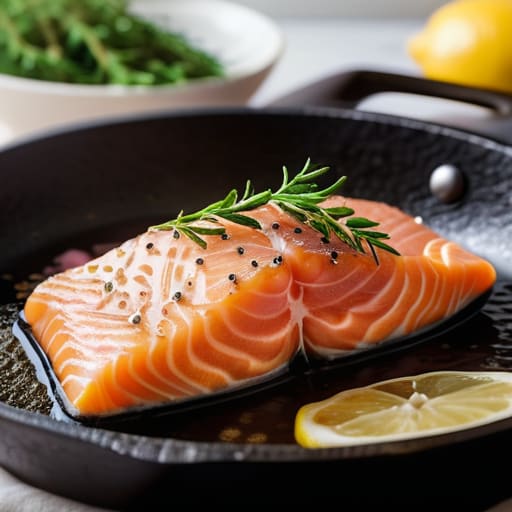
At the end of the day, cooking fish doesn’t need to be this intimidating thing that keeps you from the grocery aisle. Just remember the basics we talked about: pick something fresh and reliable like salmon or tilapia, don’t be afraid to use a little salt and lemon to bring out the natural flavors, and most importantly, keep an eye on the clock. You don’t need a culinary degree or a kitchen full of expensive gadgets to make a delicious meal; you just need a hot pan and a little bit of patience. If you follow these steps, you’ll find that getting it right becomes second nature before you know it.
I know there were times when I’d stand in the kitchen feeling totally overwhelmed by a new recipe, but I promise you, the more you do it, the easier it gets. Don’t let the fear of a ruined dinner stop you from trying something new and healthy. Even if your first attempt isn’t absolute perfection, it’s still a win because you actually sat down and made it yourself. So, grab a fillet, turn up the heat, and enjoy the process. You’re doing a great job, and your wallet—and your family—will thank you for it.
Frequently Asked Questions
How do I tell if the fish is actually cooked through without overdoing it and making it dry?
The easiest way is to use your fork. Just gently slide it into the thickest part of the fillet and twist slightly. If the flesh flakes apart easily, it’s ready. You’re looking for that opaque, pearly color—if it’s still translucent or looks a bit “jelly-like,” give it another minute or two. Just don’t overdo it; as soon as it flakes, pull it off the heat. Better to be a hair under than to eat a dry, rubbery mess.
Is it okay to use frozen fish fillets, or should I always try to find something fresh?
Listen, I get it—standing at the seafood counter can feel a bit intimidating when you’re worried about quality. But let me tell you a secret: frozen is often just as good, and a whole lot cheaper. If you buy high-quality frozen fillets, they’re usually flash-frozen right after being caught, which locks in that freshness. Just make sure you thaw them slowly in the fridge overnight. It saves money and takes the guesswork out of it.
What are some easy ways to get a nice crispy skin in a pan without it sticking or falling apart?
The secret is all in the prep. First, grab a paper towel and pat that skin bone-dry; if it’s even a little damp, it’ll steam instead of crisp. Next, salt it well and let it sit for a minute. When you’re ready, get your pan hot with a bit of oil, lay the fish in away from you, and here’s the big one: leave it alone. Don’t poke at it! Once the skin releases naturally, you’re golden.