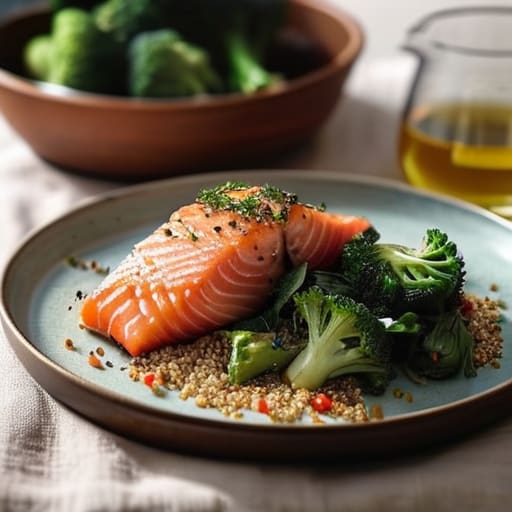
I used to stare at those glossy wellness magazines, feeling like a complete failure because I didn’t have a basket full of organic dragon fruit and expensive microgreens sitting on my counter. The internet makes it sound like learning how to build a balanced meal requires a degree in nutrition and a massive grocery budget, but honestly? That’s just marketing nonsense designed to make you feel like you’re doing it wrong. When I was raising my two kids on a single income in the Midwest, I didn’t have the luxury of following complicated food trends; I just needed to make sure they were full, fueled, and that we weren’t breaking the bank before Friday.
I’m not here to sell you on a lifestyle overhaul or a pantry full of “superfoods” you can’t pronounce. Instead, I want to share the simple, practical logic I’ve used for decades to keep my family healthy without the stress. I’ll show you how to look at your plate with common sense, using what you already have in the cupboard and what’s actually on sale at the store. We’re going to get back to basics and figure out how to make real food work for your real life.
Table of Contents
Mastering the Nutritional Plate Method for Daily Success
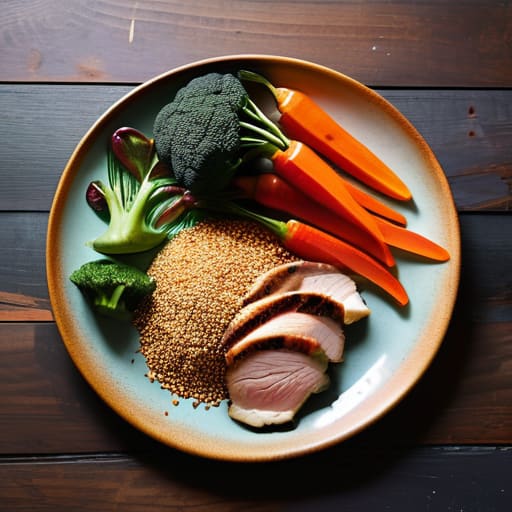
Now, I know that “nutritional plate method” sounds like something straight out of a doctor’s office, but I promise it’s much simpler than it sounds. I don’t spend my time counting every single calorie or weighing out grams on a digital scale—honestly, I just don’t have the patience for it. Instead, I use my eyes. Think of your plate as a map: I aim to fill half of it with colorful vegetables first. The other half gets split between a good protein, like a chicken breast or some beans, and a healthy starch. This simple way of managing healthy food proportions keeps me from feeling like I’m constantly fighting my appetite.
The real trick is finding a protein, vegetable, and carbohydrate ratio that actually keeps you full until your next meal. If I go too heavy on the pasta and skip the greens, I’m hungry again by 3:00 PM. But if I lean into that veggie-heavy approach, I feel steady all afternoon. It’s not about being perfect; it’s just about portion control for healthy eating that fits into a busy, real-world schedule.
Finding Your Ideal Protein Vegetable Carbohydrate Ratio
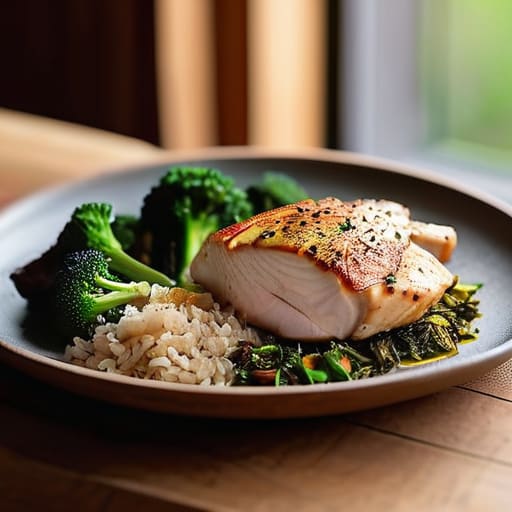
Now, I know what you’re thinking: “Marion, I’m not a scientist, and I don’t have time to weigh my food on a digital scale every night.” Believe me, I get it. I don’t either. But finding your ideal protein vegetable carbohydrate ratio isn’t about being perfect; it’s about finding a rhythm that works for your body and your schedule. For me, it usually looks like a palm-sized piece of chicken, a mountain of roasted broccoli, and a scoop of brown rice. If you’re feeling sluggish in the afternoon, you might need a bit more of those complex carbs. If you’re feeling hungry an hour after eating, try bumping up the protein next time.
Think of this as your own personal macronutrient distribution guide that you can do with your eyes closed. You don’t need a fancy app to practice portion control for healthy eating; you just need to listen to how your body reacts to different combinations. Some days, I lean heavier on the greens to keep things light, while on a busy workday, I might add a bit more hearty grain to keep my energy steady until dinner. It’s all about trial and error until you find that sweet spot.
Five Little Tricks to Make Mealtime Easier (and Cheaper)
- Don’t go overboard with new recipes; just look at what’s already in your pantry and see if you can add a vegetable or a healthy fat to what you’ve already got.
- Shop your freezer first—half the time, I find a bag of frozen peas or some chicken breasts that can become a perfectly balanced meal without me spending an extra dime at the store.
- Keep a “staple list” of easy combos, like beans and rice or eggs and toast, so when you’re tired after work, you aren’t staring at the fridge wondering what to do.
- Use seasonal produce whenever you can; it’s usually much cheaper, and honestly, it just tastes a whole lot better than those out-of-season veggies that have traveled halfway across the world.
- Prep just one thing ahead of time, like washing your lettuce or boiling a few eggs, so that putting the actual plate together feels like a breeze instead of a chore.
Three Things to Remember Before Your Next Meal
Don’t get caught up in the math; just aim for that visual balance of protein, veggies, and carbs so you aren’t guessing every time you sit down to eat.
Listen to your own body instead of a strict rulebook—if you’ve had a long, exhausting day, you might need a little more of those energy-giving carbs than usual.
Keep it simple by using what’s already in your pantry or fridge, because a balanced meal doesn’t need to be fancy or expensive to actually do its job.
## Real Food, Real Simplicity
“You don’t need a degree in nutrition or a kitchen full of expensive superfoods to eat well; you just need to look at your plate and make sure there’s enough color, enough protein, and enough substance to actually keep you going until the next meal.”
Marion Kessler
Making it Work for You
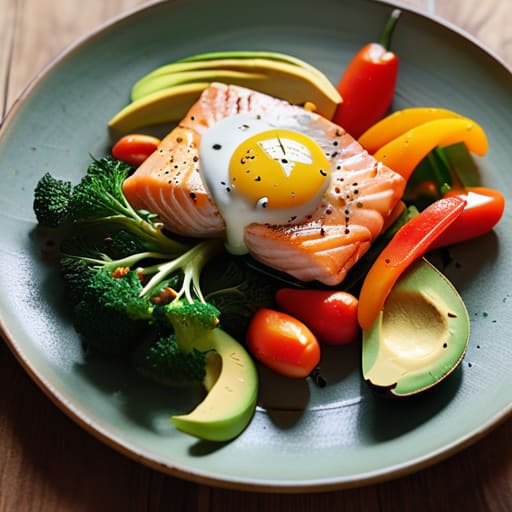
At the end of the day, building a balanced meal doesn’t require a degree in nutrition or a pantry full of expensive superfoods. It really just comes down to that simple rhythm we talked about: getting your protein in, adding some healthy fats, and filling up on those colorful veggies. Whether you’re using the plate method to keep things visual or adjusting your ratios to make sure you stay full until dinner, the goal is to stop overthinking the math and start focusing on the components. Remember, it’s not about being perfect every single time you sit down at the table; it’s about making a smarter choice more often than not.
I know that when life gets hectic—between work, the kids, and everything in between—cooking can feel like just one more chore on an endless list. But I’ve learned that when we fuel ourselves a little better, we actually have more energy to handle the chaos. Don’t let the fear of doing it “wrong” keep you from even trying. Just start where you are, with what you have in your fridge right now. You’ll find that once you get the hang of these small, practical habits, feeling in control of your health becomes much more natural and, honestly, a whole lot easier.
Frequently Asked Questions
What do I do when I'm eating out or grabbing something quick from a deli?
Look, I know life happens. Sometimes you’re stuck in a drive-thru or grabbing a quick sandwich from the deli because there just isn’t another way. When that happens, don’t beat yourself up—just play the hand you’re dealt. If you’re ordering out, try to swap the fries for a side salad or extra veggies. If it’s a deli sandwich, go heavy on the meat and greens, and maybe skip the extra mayo. It’s all about those small, smarter choices.
How do I adjust these portions if I'm trying to lose weight or if I'm feeling extra hungry?
Now, I know what you’re thinking: “Marion, that sounds great on paper, but what happens when the scale isn’t moving, or when I’m absolutely famished after a long shift?”
Does this still work if I'm following a specific diet, like vegetarian or gluten-free?
Absolutely. The beauty of this method is that it’s a framework, not a rigid set of rules. If you’re vegetarian, your “protein” section just shifts from chicken to lentils, chickpeas, or tofu. If you’re going gluten-free, you swap out the pasta or bread for quinoa, sweet potatoes, or rice. You aren’t changing the logic of the plate; you’re just swapping the ingredients to fit your lifestyle. It works for everyone.