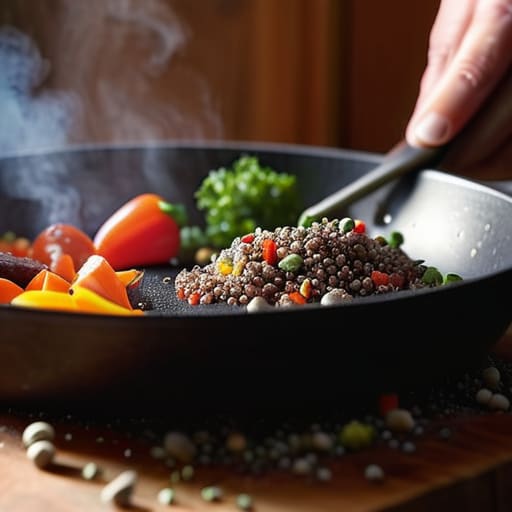
I remember sitting at my kitchen table fifteen years ago, staring down a plate of chicken that looked perfectly fine but tasted like absolutely nothing. I had followed the recipe to the letter, yet every bite was just a dull, heavy disappointment. I used to think that learning how to season food meant I needed to go out and buy a thirty-dollar jar of specialty truffle salt or some fancy organic herb blend that I’d end up using once and letting gather dust in the back of the pantry. Honestly, that’s just expensive nonsense that makes cooking feel way more intimidating than it actually needs to be.
I’m not here to sell you on complicated culinary techniques or a pantry full of overpriced spices you can’t pronounce. What I want to do is show you how to use the basic staples you likely already have sitting in your cupboard to make your Tuesday night dinners actually taste like something worth eating. I’m going to give you my straightforward, no-nonsense approach to balancing salt, heat, and flavor so you can stop settling for bland meals and start feeling completely in control of your kitchen.
Table of Contents
Essential Spice Cabinet Staples for Every Kitchen
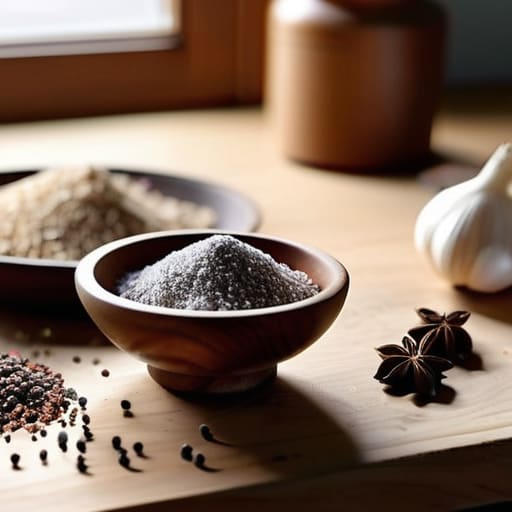
You don’t need a pantry overflowing with thirty different jars to make a meal taste good. In fact, I’ve found that having too many options usually just leads to a cluttered cabinet and a lot of wasted money. When I first started out, I thought I needed every exotic spice under the sun, but I quickly learned that a few reliable essential spice cabinet staples do ninety percent of the heavy lifting. Start with the basics: high-quality kosher salt, freshly cracked black pepper, garlic powder, and onion powder. If you have those, you’re already halfway to a decent dinner.
Beyond the basics, I always keep some dried oregano, smoked paprika, and perhaps a little cumin on hand. These are my go-to’s for enhancing natural flavors in vegetables or giving a simple chicken breast some much-needed character. If you’re looking to add a bit more depth to a stew or a sauce, keep a small container of dried mushrooms or even a bit of soy sauce tucked away; they act as wonderful umami flavor boosters that make everything taste a little more “homemade” and a lot more satisfying.
The Simple Secret to Balancing Salt Acid Fat and Heat
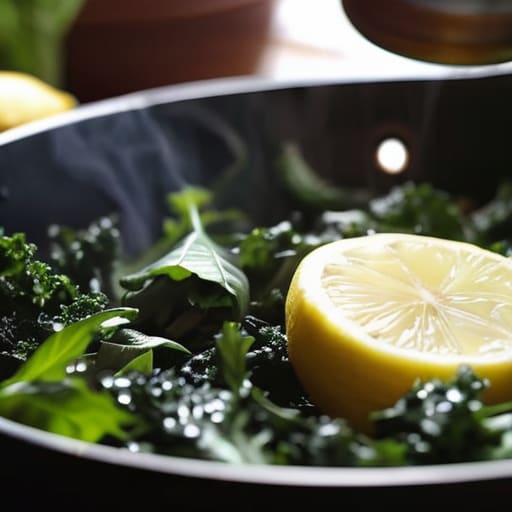
Now, I know that sounds like a fancy culinary school concept, but trust me, it’s just common sense once you get the hang of it. Think of it like balancing a checkbook; if one side is too heavy, everything feels off. When I’m cooking a big pot of stew or even just sautéing some greens, I’m constantly looking for that missing piece. If a dish tastes “flat” but you’ve already added salt, it usually means it’s missing acid. A quick squeeze of lemon or a splash of vinegar can wake up the whole pan.
It’s also about how you handle the heavy hitters. If you’re learning how to season meat properly, you’ll realize that salt penetrates the fibers, while fat carries the flavor across your tongue. If a sauce feels too heavy or greasy, a little hit of acid cuts right through it. And if you’re looking for those deep, savory notes—what the pros call umami flavor boosters—don’t be afraid to reach for a dash of soy sauce or even a little tomato paste. It’s not about following a strict formula; it’s about tasting as you go and trusting your gut.
5 Little Habits That’ll Make Your Cooking Taste Like a Million Bucks
- Season as you go, not just at the end. If you wait until the dish is finished to add salt or pepper, you’re just masking the flavor; if you sprinkle a little bit in while the onions are sautéing or the meat is browning, that seasoning actually gets into the heart of the food.
- Taste your food with a clean spoon constantly. I can’t tell you how many times I’ve served a pot of soup only to realize it needed one more pinch of salt once it hit the bowl—don’t be afraid to keep dipping and tasting throughout the whole process so you can make adjustments in real time.
- Use more salt than you think you need when prepping meat. When I’m getting a chicken breast or a pork chop ready, I give it a good, even coating of salt on both sides before it ever hits the pan; it helps draw out the moisture and builds a much deeper, more savory crust.
- Don’t forget the “acid” trick when a dish tastes flat. If you’ve added salt and it still feels like something is missing, reach for a bottle of lemon juice or a splash of apple cider vinegar instead of more salt; that little bit of brightness acts like a light switch for your taste buds.
- Freshly cracked pepper beats the pre-ground stuff every single time. I know it’s one more thing to do on a busy Tuesday night, but that pungent, spicy kick you get from a pepper grinder is worlds apart from that dusty, flavorless powder sitting in the cupboard, and it’s worth the extra thirty seconds of work.
My Golden Rules for Better Meals
Don’t be afraid to taste as you go; you can’t fix a bland dish once it’s already on the dinner plate, so keep a spoon handy and season in small increments.
Keep your spices in a cool, dry spot away from the stove to make sure they actually taste like something when you finally pull them out of the cupboard.
Remember that seasoning isn’t just about salt—sometimes a quick squeeze of lemon or a splash of vinegar is exactly what your heavy, fatty meal needs to wake up.
The Real Secret to Flavor
“You don’t need a pantry full of expensive, specialty spices to make a meal taste good; you just need the confidence to taste as you go and the willingness to add a little more salt or a squeeze of lemon until it actually tastes like something you’d be proud to serve.”
Marion Kessler
Trust Your Taste Buds
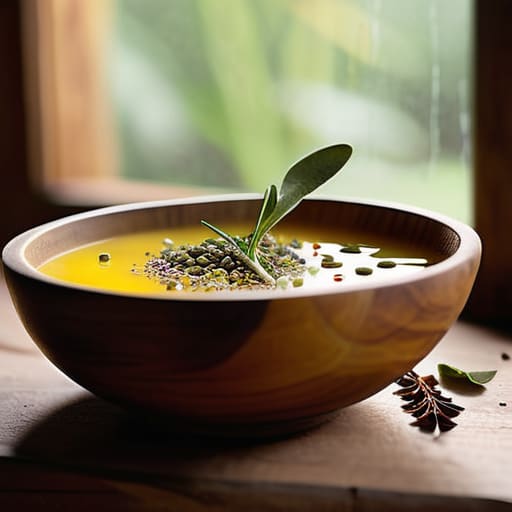
At the end of the day, seasoning isn’t some complex science experiment that requires a culinary degree; it’s just about paying attention. Remember to keep those basic staples like salt, pepper, and dried herbs within arm’s reach, and never be afraid to lean on that balance of salt, fat, acid, and heat to wake up a dish. If a soup tastes a little flat, don’t just reach for more salt—try a squeeze of lemon or a splash of vinegar first. It’s all about those small, incremental adjustments that turn a boring Tuesday night dinner into something that actually feels special. Just keep your eyes on the pantry and your spoon in the pot, and you’ll find your rhythm.
I know it can feel a bit intimidating when you’re staring at a pan of unseasoned chicken or a pot of plain rice, but please don’t let perfectionism get in your way. Cooking is supposed to be a way to nourish yourself and your family, not a source of stress that leaves you feeling defeated. The more you practice, the more you’ll realize that your own palate is the best guide you’ll ever have. So, grab your salt cellar, trust your instincts, and just start tasting as you go. You’ve got this, and I promise your kitchen—and your taste buds—will thank you for it.
Frequently Asked Questions
How do I know if I’ve added too much salt without ruining the whole dish?
Oh, I’ve been there more times than I’d like to admit—usually right when I’m hungry and ready to eat! If you realize you’ve gone a bit heavy on the salt, don’t toss the whole pot. If it’s a soup or stew, try adding a splash of acid, like lemon juice or vinegar, to cut through that saltiness. Or, stir in a little bit of unsalted cream or even a peeled potato to help soak up the excess.
Can I use dried herbs instead of fresh ones, or will the flavor be totally different?
Now, don’t you worry—you absolutely can use dried herbs, and you don’t need a garden to make a meal taste great. The flavor will be a bit more concentrated and less “bright” than fresh, but it works just fine. The golden rule I live by is to use about one-third as much dried as you would fresh. Just remember to add your dried herbs early in the cooking so they have time to wake up.
Is there a difference between seasoning my meat before it hits the pan versus adding spices while it's cooking?
There’s a huge difference, and honestly, getting both right is what makes a meal go from “okay” to “wow.” I always season my meat—especially steak or chicken—with salt and pepper right before it hits the pan. It helps build that delicious crust. But if you add delicate spices like garlic powder or dried herbs too early, they’ll just burn and turn bitter in the hot oil. Save the fragrant stuff for the middle or end.