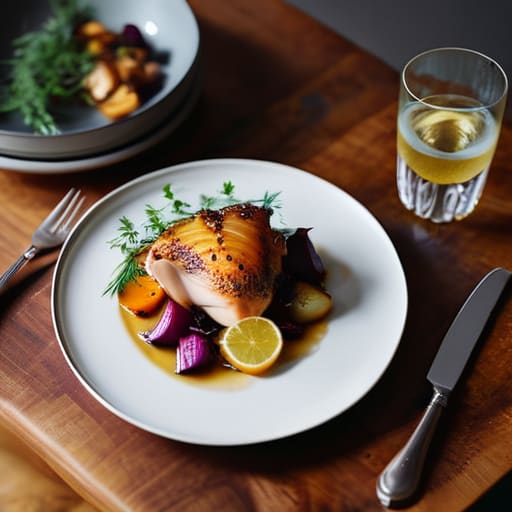
I still remember those Tuesday nights back in the nineties, standing in my kitchen with a pile of bills on the counter and a fridge that looked more like a desert than a pantry. I used to think that feeding my kids decent, filling food meant I had to choose between a balanced plate and actually paying the electric bill. There’s this huge, annoying myth floating around online that you need expensive organic superfoods or a dozen specialized gadgets to whip up budget friendly meals that don’t taste like cardboard. Honestly, most of those “life hack” influencers have never had to stretch a single paycheck across a whole month, and it shows.
I’m not here to sell you on some complicated, thirty-ingredient recipe that requires a trip to a specialty market. What I want to do is share the real-world strategies I’ve used for decades to keep my family full without draining the savings account. I’m going to walk you through my personal approach to shopping smarter, using what you already have in the cupboard, and making sure your dinner table is a place of comfort, not financial stress. We’re going to keep it simple, honest, and delicious.
Table of Contents
Low Cost Grocery Shopping Tips That Actually Work
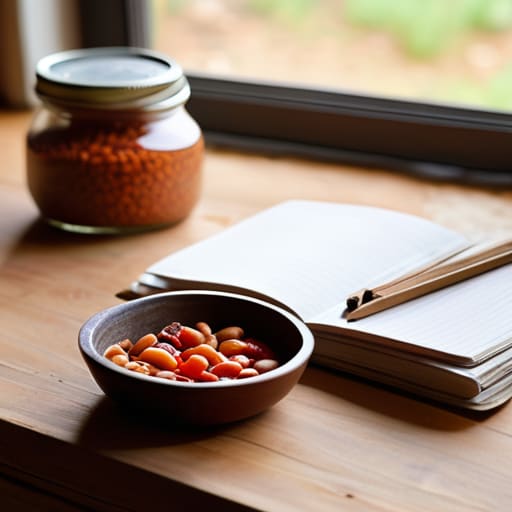
Now, before you even step foot in the store, you’ve got to do a little homework. I always keep my little pocket notebook handy to jot down what things actually cost, because those “sale” signs can be deceiving sometimes. One of my best low cost grocery shopping tips is to shop your own kitchen first. I spent twenty minutes the other night digging through the back of my pantry, and I realized I already had enough rice, beans, and canned tomatoes to make three different dinners. If you build your list around what you already own, you’re only buying the “bridge” ingredients to get you to the finish line.
When you are finally in the aisles, try to look a little lower on the shelves. The fancy, expensive brands always sit right at eye level, but the store brands—which usually taste just as good once they’re in a stew—are tucked away at the bottom. Also, don’t be afraid to lean on cheap protein sources like lentils or eggs instead of expensive cuts of beef. It might feel a bit different at first, but it’s one of the easiest ways to keep your grocery bill from creeping up every single week.
Finding Value in Cheap Protein Sources
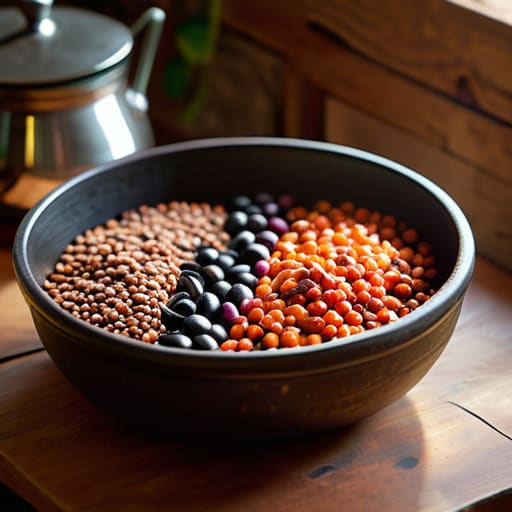
Now, let’s talk about the big one: protein. For a long time, I thought “eating healthy” meant buying expensive cuts of steak or those fancy organic chicken breasts, but my bank account certainly didn’t agree. The secret to eating well on a tight budget is learning to look past the meat aisle. I’ve found that dried beans, lentils, and chickpeas are absolute lifesavers. They are incredibly cheap, they last forever in the pantry, and they can be stretched to feed a whole family if you know how to season them right.
If you aren’t quite ready to go full vegetarian, don’t worry—you don’t have to. I still use meat, but I use it differently. Instead of serving a whole chicken breast to each person, I’ll buy a larger pack of thighs or even a whole bird, shred it, and mix it into a big pot of chili or a hearty stew. This is one of my favorite meal prepping for beginners because it turns one expensive item into three different dinners. It’s all about making that protein work harder for you.
Five Simple Ways to Keep Your Dinner Table Affordable
- Shop your own pantry before you head to the store; most of us have a “forgotten” bag of lentils or a half-box of pasta tucked in the back that can form the base of a meal without costing a dime.
- Master the art of the “planned-over” meal, where Tuesday’s roast chicken becomes Wednesday’s chicken salad or Thursday’s hearty soup, saving you both time and money.
- Embrace seasonal produce whenever possible, because a bag of carrots or a head of cabbage is always going to be much cheaper when it’s in season than when you’re trying to force it in the middle of winter.
- Don’t be afraid of the freezer aisle; frozen vegetables are just as nutritious as the fresh ones, they don’t spoil on your counter, and they’re usually a fraction of the price.
- Stick to a simple “template” for your meals—like a grain, a veggie, and a protein—so you aren’t constantly hunting for fancy, expensive new recipes that require a dozen ingredients you’ll never use again.
Making It All Stick
Don’t try to overhaul your whole kitchen in one weekend; just pick one new habit, like checking your pantry before you head to the store, and get comfortable with it first.
Keep a little notebook—just like the one I keep in my apron—to jot down which brands are actually worth the extra nickel and which ones are just fancy packaging.
Remember that “budget” doesn’t have to mean “boring,” so focus on learning how to use those cheaper staples, like beans or oats, in ways that actually taste good to your family.
The Heart of a Budget Meal
“Eating well on a budget isn’t about deprivation or eating bland food; it’s about being smarter than the grocery store flyers and realizing that a bag of dried beans and a handful of spices can feed a family just as well as any expensive pre-packaged meal ever could.”
Marion Kessler
Making It All Work for You
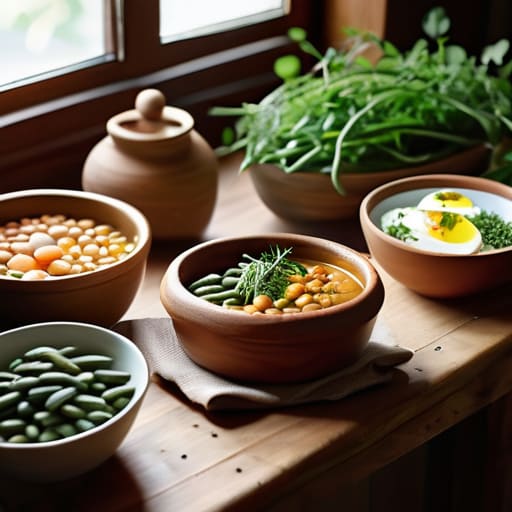
At the end of the day, eating well on a budget isn’t about deprivation or eating bland, boring food every single night. It’s about being a little more intentional with how you shop and what you choose to put in your cart. We’ve talked about how much you can save by keeping an eye on those unit prices, shopping the sales, and leaning into those affordable protein staples like beans, lentils, and eggs. When you stop buying things just because they’re convenient and start buying what actually makes sense for your wallet, you’ll be amazed at how much breathing room you create in your monthly budget. It really comes down to small, consistent choices that add up over time.
I know it can feel overwhelming when you first look at those rising grocery receipts, but please don’t feel like you have to change everything overnight. Start with just one thing—maybe it’s planning just two more meals a week or finally using that little notebook to track prices. You don’t need a fancy meal prep service or a massive budget to take care of your family and yourself. You just need a little bit of grit and a solid plan. You’ve got this, and I promise that every single dollar you save is a step toward a much calmer, more secure home.
Frequently Asked Questions
How do I keep my meals from feeling boring or repetitive when I'm eating the same cheap ingredients every week?
I hear this one a lot, and believe me, I’ve been there—staring at a bag of rice and a can of beans wondering if I can survive another week of it. The secret isn’t buying more food; it’s about changing the “vibe” with spices and textures. One week, those beans are Mexican-style with cumin and lime; the next, they’re savory Mediterranean with garlic and dried oregano. Switch up your seasonings, and you’ll find your pantry is actually a lot more versatile than it looks.
Is it actually cheaper to buy in bulk, or am I just spending more money upfront for things that might go to waste?
It’s a fair question, and honestly, I’ve been burned by it before. Bulk buying isn’t a magic wand for savings. It only works if you’re buying pantry staples you know you’ll use—like rice, beans, or oats. If you’re grabbing a massive tub of specialty yogurt just because the unit price looks better, but half of it ends up in the trash, you’ve actually just wasted money. Buy big on the basics; buy small on the rest.
What are some ways to stretch a single rotisserie chicken or a pound of ground beef to feed my family for several nights?
Now, here’s my favorite trick for making a little meat go a long way: don’t treat it like a main course, treat it like a flavor base. If you’ve got a rotisserie chicken, shred it and toss it into a big pot of veggie-heavy chicken noodle soup or mix it into a creamy pasta bake. With that pound of beef, skip the big burgers and go for taco night—stretch it with a can of black beans and some corn. It fills everyone up just as well, and your wallet will thank you.