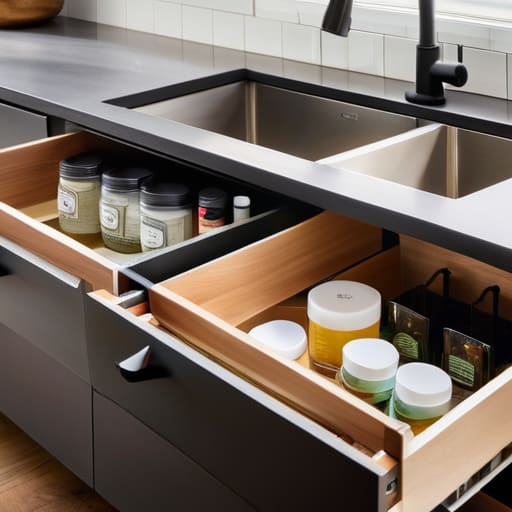
I’ll be honest: I can’t stand those glossy home magazines that suggest you need a three-hundred-dollar custom pull-out drawer system just to manage your dish soap. It’s a total racket. Most of the time, when people look for advice on how to organize under the sink, they’re being sold expensive, plastic gadgets that end up cluttering the space even more. I spent years wrestling with a dark, damp cabinet filled with leaking sponges and half-empty spray bottles, and I learned the hard way that you don’t need a big budget to fix it—you just need a bit of common sense and a few clever ways to use the space you’ve already got.
In this guide, I’m skipping the fancy retail fluff and giving you the real, boots-on-the-ground methods I’ve used in my own kitchen for decades. We’re going to talk about using simple bins, grouping your supplies by how you actually use them, and making sure you can actually see the thing you’re looking for without a scavenger hunt. My goal is to help you create a setup that is functional, affordable, and easy to maintain, so you can spend less time digging through clutter and more time enjoying your home.
Table of Contents
Kitchen Cabinet Decluttering Tips for a Faster Clean
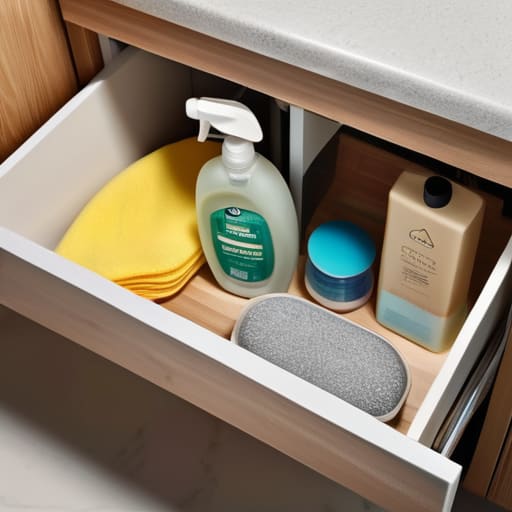
Before you start buying fancy bins, you’ve got to face the music: most of us have a graveyard of half-empty bottles and sponges that haven’t seen the light of day in years. I always tell my readers that you can’t organize clutter; you can only get rid of it. Start by pulling everything out—yes, everything—and wiping down the bare shelves. While you’re at it, I highly recommend laying down some waterproof cabinet liners. They’re a lifesaver for catching those inevitable little drips from a leaky soap bottle before they ruin your wood.
Once you’ve cleared the junk, it’s time to think about how you actually move in your kitchen. If you’re deep-diving into cleaning supply storage solutions, try to group things by how often you grab them. I like to keep the daily essentials, like dish soap and a scrub brush, right up front. For those hard-to-reach spots in the back, using a few small, clear containers can act like makeshift drawers. It keeps the chaos contained so you aren’t playing “find the sponge” every single time you need to wipe down a spill.
Maximizing Small Cabinet Space With Smart Habits
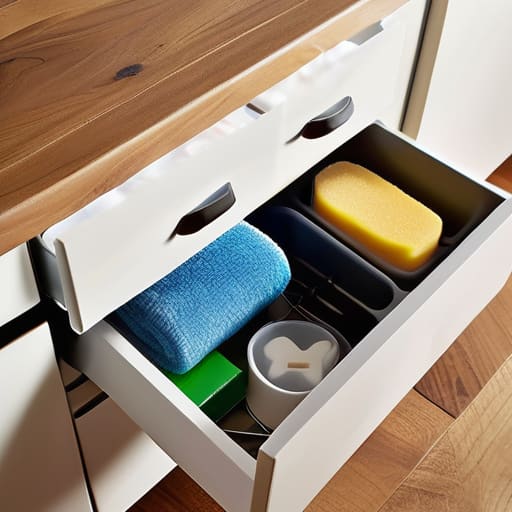
Once you’ve cleared out the junk, the real work begins: making sure that space actually stays useful. I’ve learned the hard way that if you just shove things back in, you’ll be back to square one by next Tuesday. The secret to maximizing small cabinet space isn’t just about buying fancy gadgets; it’s about creating a system where everything has a designated “home.” When you know exactly where the dish soap lives, you won’t spend five minutes digging through a pile of half-empty sponges every time you need to wipe down a counter.
I’m a huge fan of using under sink pull out organizers to deal with those deep, dark corners where things always go to die. If you can’t reach it, you won’t use it, and if you don’t use it, it just becomes clutter. I also highly recommend laying down some waterproof cabinet liners before you put anything back. Between leaky soap bottles and damp sponges, that wood can take a beating, and a simple liner makes your weekly wipe-down a breeze instead of a chore.
My Go-To Tricks for a Sink That Actually Works
- Group your supplies by what they do. I like to keep all my heavy-duty scrubbers and sprays in one bin, and my soft cloths and sponges in another. When you grab a bin, you’re grabbing everything you need for that specific job, instead of digging through a pile of half-empty bottles.
- Use clear plastic bins instead of opaque ones. Trust me, there is nothing more frustrating than pulling out a container only to realize it’s the wrong spray or a sponge you already used up. Being able to see exactly what’s left at a glance saves you from buying duplicates at the store.
- Don’t let the plumbing dictate your space. Those pipes always seem to get in the way of everything, so I use tension rods or small under-sink pull-out drawers that can fit around the hardware. It turns that awkward, cramped corner into a usable little nook.
- Get your cleaning supplies off the floor of the cabinet. I swear by a small two-tier sliding organizer or even just some sturdy stackable bins. If you can slide the bottom layer out easily, you won’t have to go on your hands and knees just to find the dish soap.
- Keep a “quick-grab” kit for spills. I keep a small, dedicated container with a microfiber cloth and a multi-purpose spray right at the front. If a bottle leaks or a kid spills something, you aren’t hunting through the back of the cabinet while the mess is spreading.
My Golden Rules for a Stress-Free Sink
Group your stuff by what it actually does—keep all your dish soaps and scrubbers in one bin and your heavy-duty cleaners in another so you aren’t digging through a pile of clutter every time a spill happens.
Use vertical space instead of just letting things pile up on the floor of the cabinet; a simple tension rod or some small hanging baskets can hold those spray bottles upright and keep the bottom clear.
Don’t buy fancy, expensive organizers right away; start with what you have or grab a few cheap, clear bins from the dollar store so you can see exactly what you’re working with without spending a fortune.
The Secret to a Stress-Free Sink
“I’ve learned that an organized under-sink cabinet isn’t about having the fanciest organizers money can buy; it’s about making sure you aren’t fishing around for a sponge or a spray bottle in the dark when you’re halfway through a kitchen cleanup.”
Marion Kessler
Making It Stick
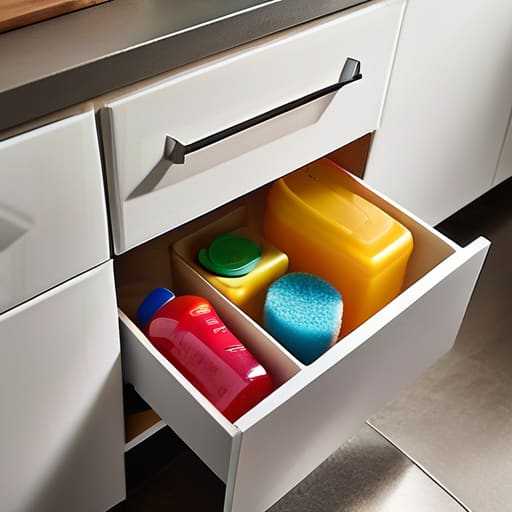
At the end of the day, organizing your under-sink area isn’t about having a picture-perfect kitchen like you see in those glossy magazines; it’s about making sure you aren’t wrestling with a mountain of half-empty spray bottles every time you need to wipe down a spill. By decluttering what you don’t use, grouping your essentials into clear bins, and keeping a few smart habits in place, you’ve turned a chaotic dark corner into a functional part of your home. Remember, the goal is to work smarter, not harder, so that when life gets busy, your kitchen stays a little easier to manage.
I know it can feel like just one more thing on an endless to-do list, but I promise you that these small wins add up. There is a certain kind of quiet peace that comes from opening a cabinet and seeing everything exactly where it belongs. Don’t feel like you have to do it all in one afternoon—just take it one bin at a time. You’re building a home that serves you, rather than one that leaves you feeling frazzled. You’ve got this, and I’m rooting for you.
Frequently Asked Questions
What should I do about those leaky bottles or old sponges that are making a mess of everything?
Listen, there’s no sense in keeping things that just create more work for you. If a spray bottle is crusty or leaking, toss it—don’t let it ruin your cabinet finish. And those old, smelly sponges? They’re just breeding grounds for bacteria. Get a small bin for your fresh sponges and a dedicated spot for the wet ones so they can dry out. If it’s broken or gross, let it go.
Are there any cheap ways to organize the space without spending a fortune at a big-box home store?
Look, you don’t need to drop a hundred dollars at a big-box store to get this sorted. I’ve always found that the best organizers are usually hiding in your recycling bin or your pantry. Grab some old shoeboxes to act as dividers, or repurpose empty glass jars for sponges and scrubbers. Even those plastic takeout containers work wonders for grouping small items. It’s about using what you’ve already got to create order.
How do I keep things from getting cluttered again just two weeks after I've cleaned it all up?
Look, I’ve been there. You spend a whole Saturday scrubbing and sorting, only to have it look like a junk drawer again by Tuesday. The secret isn’t a fancy new organizer; it’s the “one-in, one-out” rule and a quick reset. Every time you grab a cleaning spray, tuck it back into its specific bin immediately. If you don’t give every bottle a “home,” they’ll end up drifting back into a messy pile.