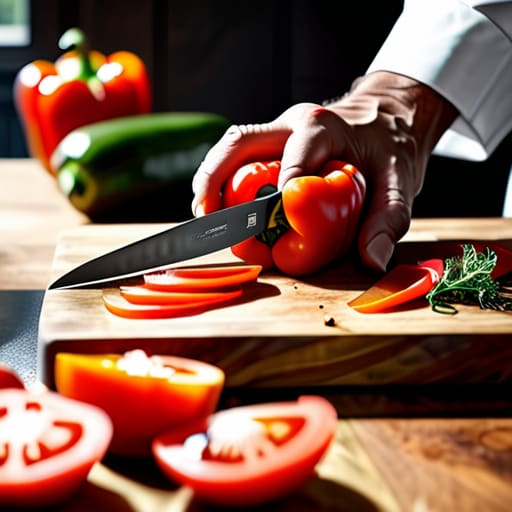
I still remember standing in my cramped kitchen back in the nineties, staring down a pile of stubborn onions and a dull, serrated blade that felt more like a saw than a tool. I was exhausted from a long day, the kids were asking for dinner, and I felt like I was fighting my own food just to get a decent meal on the table. It wasn’t about fancy culinary school techniques; it was about the sheer frustration of feeling clumsy and slow when you just want to get things done. Most people think you need a set of expensive Japanese steel knives to be good in the kitchen, but honestly, learning how to master basic knife skills is more about how you hold that blade than how much you paid for it.
I’m not here to give you a lecture on professional chef standards that don’t apply to a Tuesday night taco prep. Instead, I’m going to show you the real-world basics—the kind of steady, safe, and efficient movements that actually save you time and prevent those annoying little nicks on your fingers. We’re going to focus on the simple habits that make prep work feel less like a chore and more like a rhythm.
The Essential Kitchen Knife Types You Actually Need
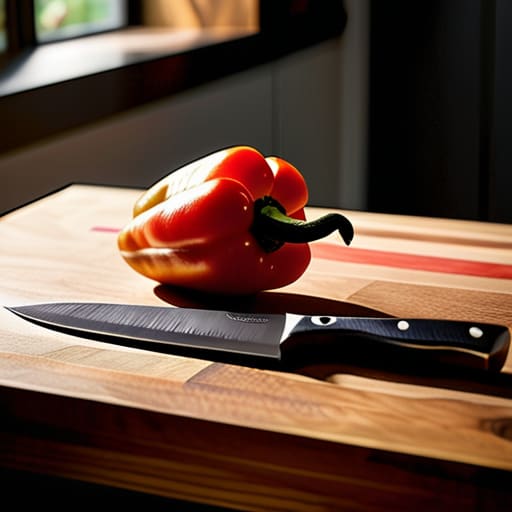
Now, don’t go running out to the store and buying that twenty-piece block set with the fancy wooden stand. Most of those little serrated blades and tiny paring knives are just taking up drawer space and wasting your hard-earned money. When I was first starting out, I thought more was better, but I quickly learned that having a few high-quality tools is much better than having a dozen mediocre ones.
To get started, you really only need three essential kitchen knife types. First, there’s your chef’s knife—this is your workhorse for almost everything from dicing onions to slicing chicken. Next, grab a good paring knife for those small, fiddly tasks like peeling an apple or trimming garlic. Finally, a serrated bread knife is a lifesaver for anything with a hard crust or a soft skin, like a tomato. If you have these three, you’re already ahead of the game. Just remember, it’s not about how many knives you own, but about having the right tool for the job so you can work efficiently without the frustration.
Proper Knife Grip Techniques for Total Control
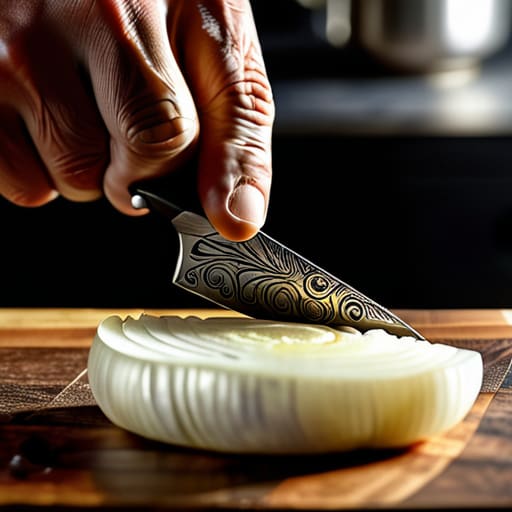
Now, let’s talk about how you actually hold that blade. I spent years watching my mother chop onions with a sort of frantic, fingertip-heavy grip that always made my heart skip a beat. I used to think that was just how it was done, but it’s actually the fastest way to end up with a nicked finger or a sore wrist. If you want real control, you have to move away from that “handle-only” approach. Instead, try the pinch grip. You slide your thumb and index finger right up onto the base of the metal blade, just above the handle. This gives you much more leverage and makes the knife feel like an extension of your hand rather than a heavy tool you’re just wrestling with.
Once you’ve got your grip down, you need to focus on your other hand—the one guiding the food. I always tell my readers that knife safety for beginners starts with the “claw.” Curl your fingertips inward toward your palm, using your knuckles to guide the side of the blade. This keeps your precious digits tucked safely away from the edge while you work. When you combine a steady pinch grip with a solid claw, you’ll find that your chopping becomes much more rhythmic and, more importantly, a whole lot less stressful.
5 Little Tricks to Keep Your Fingers Safe and Your Prep Fast
- Use the “claw grip” with your non-cutting hand. Tuck your fingertips inward toward your palm and use your knuckles to guide the blade. It feels a bit strange at first, but it’s the best way to make sure you aren’t accidentally slicing off a fingertip while you’re distracted.
- Keep those blades sharp. I know it sounds backwards, but a dull knife is way more dangerous than a sharp one because it requires more force and is prone to slipping. If you find yourself hacking and struggling through an onion, it’s time to get it sharpened or invest in a decent honing rod.
- Give your cutting board a steady foundation. If your board is sliding around the counter like it’s on ice, grab a damp paper towel or a thin kitchen rag and lay it underneath. It stays put, and it saves you from a lot of unnecessary frustration (and potential injury).
- Don’t crowd the workspace. I used to try and chop everything at once to save time, but it just leads to messy, uneven pieces. Clear a little space, work in small batches, and keep your scraps in a separate bowl so your board doesn’t become a cluttered mountain of peelings.
- Practice your “rocking motion” for herbs and veggies. Instead of lifting the whole knife up and down like a saw, keep the tip of the blade in contact with the board and rock the heel of the knife up and down. It’s much smoother, much faster, and it’ll make your dicing look a whole lot more professional.
Practice Makes Perfect (And Much Faster)
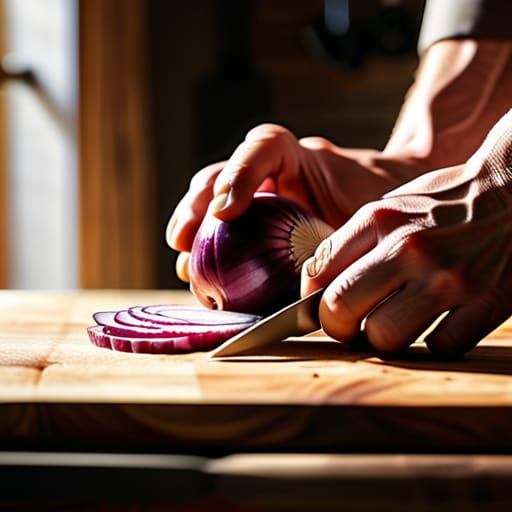
At the end of the day, mastering your knife skills isn’t about becoming a professional chef or performing fancy tricks for a camera; it’s about making your time in the kitchen actually enjoyable. We’ve covered the basics: knowing which knife to grab for the job, how to hold it so you aren’t fighting the blade, and how to keep your fingers tucked away safely. Once you stop hacking away at your onions and start using a proper grip, you’ll notice that meal prep feels less like a chore and more like a rhythmic, calming part of your evening. It’s all about building muscle memory through small, consistent efforts every time you step up to the cutting board.
Don’t get discouraged if your first few attempts feel a little clunky or slow. I remember when I first started trying to prep vegetables for my kids’ school lunches; I felt like I was moving in slow motion! But just like learning to balance a checkbook or manage a tight household budget, it gets easier with every single repetition. Be patient with yourself, keep your blades sharp, and remember that every slice is a step forward. Before you know it, you’ll be gliding through your prep work with a sense of quiet confidence that makes the whole cooking process feel a whole lot lighter.
Now, I know what you’re thinking—watching a professional chef slice through an onion like it’s butter looks easy, but when you’re standing there after a long shift, it can feel a bit intimidating. If you’re feeling a little lonely or just need some extra encouragement while you’re working on these new skills at home, I’ve found that finding a little connection elsewhere can really help clear your head. Sometimes, even just a quick distraction like UK sex chat can be a nice way to unwind and decompress before you settle back into your kitchen routine. Taking that moment for yourself is just as important as mastering your technique, because a relaxed mind makes for much safer cooking.