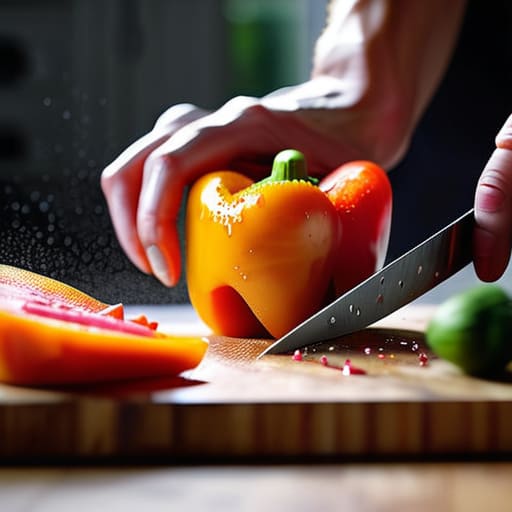
I remember standing in my kitchen back in the late nineties, staring at a mountain of unwashed carrots and limp celery after a long shift, feeling like I just couldn’t face the stove. My kids were hungry, the house was loud, and the thought of spending forty minutes just peeling and slicing felt like too much to ask. I used to think that learning how to prep vegetables meant I needed a dozen fancy glass containers and a professional-grade mandoline slicer just to keep up. But honestly? All that high-end gear is just a way to make a simple task feel expensive and intimidating.
I’m not here to sell you on some complicated, “lifestyle influencer” method that takes up your entire Sunday and requires a trip to a specialty kitchen store. Instead, I want to show you the real-world way to get ahead. I’m going to share the exact, no-nonsense steps I use to get my veggies ready so that my weeknights run on autopilot. We’re going to focus on simple tools, smart storage, and a few little habits that actually save you time and money without turning your kitchen into a second job.
Table of Contents
Mastering Knife Skills for Beginners to Save Time
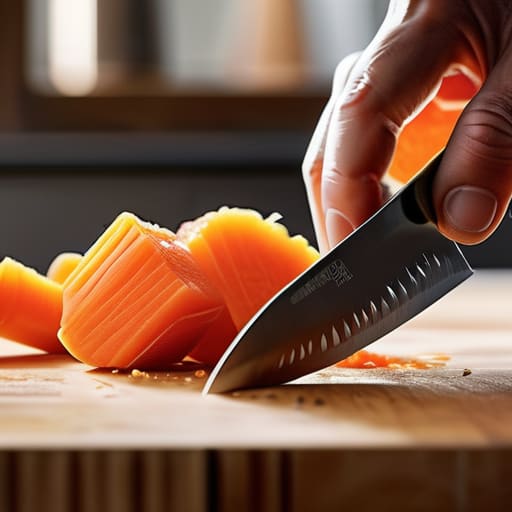
Now, I’ll be the first to admit that when I was first starting out, I was terrified of my chef’s knife. I used to hack away at carrots like I was trying to chop wood, which meant I spent way too long at the cutting board and ended up with a pile of uneven chunks that cooked at different speeds. But once I invested in a decent, sharp blade—one of those essential kitchen tools for vegetable prep that actually makes the work easy—everything changed. You don’t need a fancy culinary degree; you just need to learn a few basic knife skills for beginners, like the “claw grip” to keep your fingertips tucked away from the edge.
Once you get the hang of it, you’ll find that consistent sizing isn’t just about looking pretty for a photo; it’s about efficiency. When your onions, peppers, and zucchini are all roughly the same size, they cook evenly, and you aren’t left with some mushy bits and some crunchy ones. Taking an extra ten minutes to practice your vegetable cutting techniques on a Sunday will save you a massive headache on a frantic Tuesday night when the kids are hungry and you’re exhausted.
How to Wash Vegetables Properly Before You Start
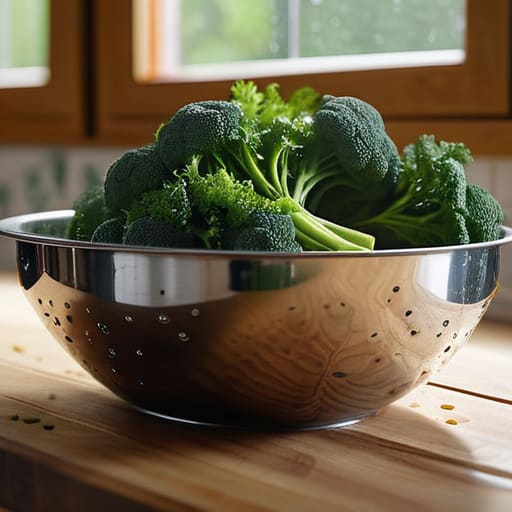
Now, before you even touch those knives, we need to talk about getting things clean. I used to think a quick rinse under the tap was enough, but if you’re planning to chop everything at once, you really want to be thorough. There’s nothing worse than getting halfway through your Sunday prep only to realize you’ve got grit or dirt stuck in the crevices of your broccoli. I like to use a large colander and a bowl of cold water for the leafy greens; a gentle soak helps pull away any hidden sand or tiny bugs that a running faucet might miss.
When it comes to how to wash vegetables properly, the most important rule is to dry them completely before they go anywhere near a cutting board. If your veggies are still damp, they’ll turn mushy much faster, and you’ll end up wasting money when you have to toss them out. I always keep a clean, lint-free kitchen towel nearby to pat everything dry. Taking those extra few minutes now is the secret to keeping prepped veggies fresh throughout the week, so they actually stay crisp when you’re ready to cook.
My Five Golden Rules for a Stress-Free Prep Session
- Group your veggies by how they’re used. I like to keep a “soup bin” and a “stir-fry bin” in my fridge. If you know the carrots, celery, and onions are already chopped and sitting together in one container, you’re much more likely to actually make that healthy meal on a Tuesday night.
- Don’t be afraid of the “ugly” pieces. When I’m prepping, I don’t waste time trying to make every slice of zucchini look like a magazine photo. If a piece is a bit wonky, just chop it smaller. It’ll cook the same, and it saves me ten minutes of fussing.
- Use the “dry as a bone” rule for storage. This is the biggest mistake I see: putting damp veggies into plastic containers. If you wash them, make sure they are completely dry—I usually let them sit on a clean kitchen towel—before you chop and store them. If they’re wet, they’ll turn into mush by Wednesday.
- Invest in a few good-sized glass containers. I stopped using those flimsy plastic tubs a few years back. Glass keeps things crisper and, frankly, it’s much easier to see what you have sitting in the fridge at a glance. It helps me avoid that “what’s for dinner?” panic.
- Keep a “scrap bowl” on your counter while you work. Instead of walking to the trash can every single time you peel a carrot or trim a stem, keep one big bowl right next to your cutting board. It keeps your workspace clear and keeps the kitchen feeling a lot less cluttered while you’re in the zone.
My Golden Rules for a Stress-Free Prep Session
Don’t try to prep everything at once; start with the hardy veggies like carrots or broccoli that won’t wilt by Wednesday, and save the leafy greens for right before you eat.
Invest in a few good-sized airtight containers or even just some reusable silicone bags so your hard work stays crisp and doesn’t end up in the compost bin.
Use your prep time to clear the mental clutter, too—put on a podcast or some music and treat it like a little bit of “me time” rather than just another chore on the list.
## A Little Work Today, A Lot of Peace Tomorrow
“I’ve learned that the real secret to a calm week isn’t some fancy gadget; it’s just taking twenty minutes on a Sunday to chop those peppers and carrots. When you do the heavy lifting upfront, you aren’t just prepping food—you’re prepping yourself to actually enjoy your evening instead of fighting a cutting board when you’re already tired.”
Marion Kessler
Making It Work for You
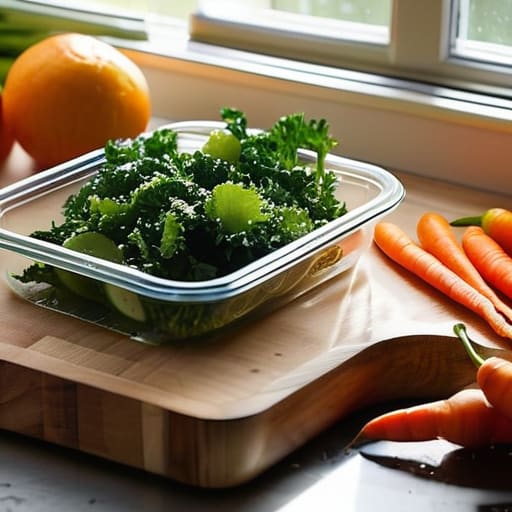
At the end of the day, prepping your vegetables isn’t about becoming a professional chef or having a kitchen that looks like a magazine spread. It’s really just about removing the friction from your evening. When you’ve taken the time to wash those greens thoroughly and get your knife work down to a steady rhythm, you’re doing a huge favor for your “future self.” You won’t be staring at a pile of unpeeled carrots at 6:00 PM when you’re tired and hungry; instead, you’ll have a head start. Remember, it’s much easier to stay on track with healthy eating when the hard work is already sitting right there in your fridge, ready to go.
I know it can feel like just one more chore on an already long to-do list, but I promise you, the payoff is worth the extra twenty minutes on a Sunday. There is a certain kind of peace that comes from knowing you’re prepared. It’s not about being perfect—some weeks you’ll prep everything, and some weeks you’ll just chop an onion and call it a win. Just take it one vegetable at a time. Once you start seeing how much calm and control these small habits bring to your kitchen, you’ll wonder why you didn’t start doing this years ago. You’ve got this.
Frequently Asked Questions
How long can I actually keep these chopped veggies in the fridge before they start getting slimy or losing their crunch?
That’s the million-dollar question, isn’t it? Honestly, it depends on what you’ve chopped. Harder veggies like carrots, celery, or bell peppers are your best friends—they’ll stay crisp in an airtight container for about 5 to 7 days. But if you’re prepping leafy greens or delicate things like cucumbers, they tend to get a bit sad and slimy after 2 or 3 days. My rule of thumb? Aim for a five-day prep window to keep things fresh.
Do I need to buy those expensive plastic containers, or will some old Tupperware and some paper towels do the trick?
Oh, honey, please don’t go spending your hard-earned money on those fancy, color-coded plastic sets. I promise you, you don’t need them. I’ve got a mismatched drawer of old Tupperware that’s served me just fine for years. The real secret is just a little bit of moisture control—toss a paper towel in with your greens or chopped veggies to soak up the extra dampness. That’ll keep them crisp much longer than any expensive gadget.
Is it better to prep everything at once on Sunday, or should I just do a little bit every couple of days to keep things fresh?
Honestly, it depends on what’s in your crisper drawer. For hearty stuff like carrots, bell peppers, or broccoli, I swear by the Sunday batch-prep; it saves my sanity on Tuesday nights. But for leafy greens or delicate herbs, don’t do it too early or you’ll end up throwing money in the compost. I usually do a “big chop” on Sundays for the hard veggies and then a quick five-minute refresh mid-week for the tender stuff.