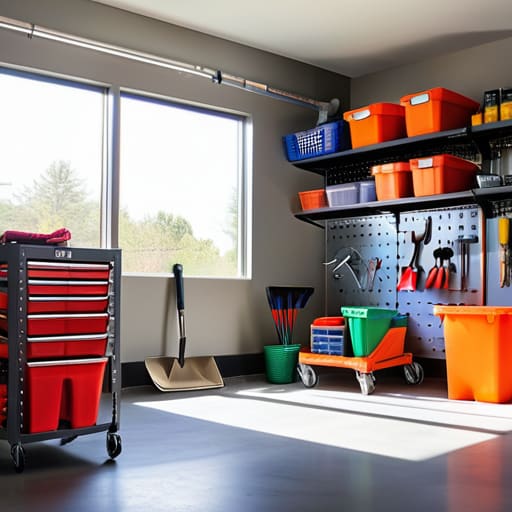
I remember standing in my driveway last summer, staring at a mountain of half-empty paint cans and rusted garden tools, wondering if I’d ever actually be able to park the car in there again. It wasn’t just the clutter; it was that heavy, sinking feeling in my chest because I felt like I was losing a battle against my own home. Most of the fancy “organization gurus” online will tell you that you need to spend a fortune on custom-built cabinetry and high-end plastic bins just to learn how to organize your garage. Honestly? That’s a load of nonsense. You don’t need a second mortgage to get your space back; you just need a solid plan and a little bit of grit.
I’m not here to sell you on expensive gadgets that will just end up buried under more junk in six months. Instead, I’m going to walk you through the exact, low-cost steps I used to turn my own chaotic workspace into a place that actually works for my family. We’re going to talk about sorting through the “maybe” pile, using what you already have, and setting up systems that actually stick. Let’s get to work and reclaim that space.
Table of Contents
The No Nonsense Garage Decluttering Checklist
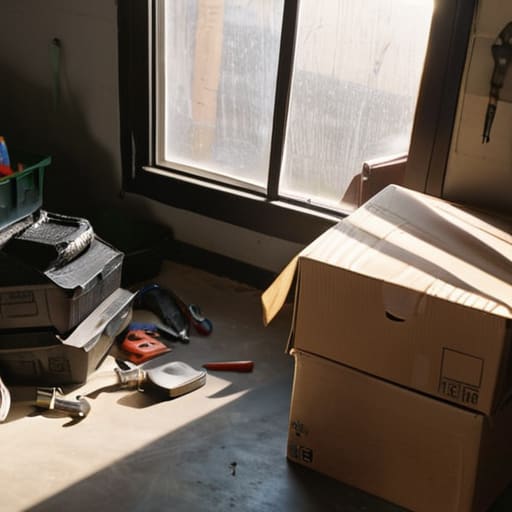
Now, I’m not going to tell you to rent a massive dumpster and throw everything away—that’s just not how real life works. Instead, grab a stack of sturdy cardboard boxes and a heavy-duty trash bag. Start by pulling everything out of the corner where the spiders live. As you go, sort every single item into four piles: Keep, Donate, Trash, or “Maybe.” That “Maybe” pile is where most people trip up, so be honest with yourself. If you haven’t touched that rusted garden trowel or those half-empty paint cans in three years, it’s time to let them go.
Once you’ve cleared the floor, it’s time to get smart about your garage decluttering checklist. My biggest piece of advice? Stop thinking about the floor and start looking at the walls. When you’re organizing small garages, floor space is your most precious commodity. I swear by using vertical garage storage ideas like pegboards or heavy-duty hooks to get those seasonal items and hand tools up and out of the way. If you can see it and reach it without tripping over a lawnmower, you’ve already won half the battle.
Finding Practical Garage Storage Solutions That Actually Work
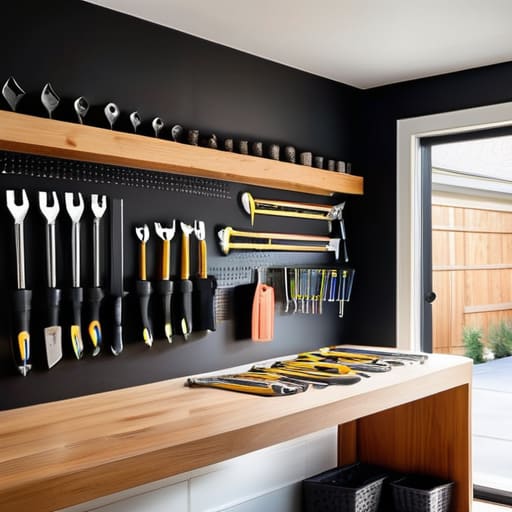
Once you’ve finally cleared the floor and gone through that checklist, you’re going to be staring at a lot of empty wall space and wondering where to start. My best advice? Stop looking at the floor and start looking up. When you’re dealing with limited square footage, vertical garage storage ideas are your absolute best friend. I’m a huge fan of heavy-duty pegboards or slatwalls; they let you hang everything from garden trowels to heavy wrenches right where you can see them. It keeps the workbench clear and stops that feeling of being boxed in by clutter.
Now, don’t go dropping a fortune on those fancy, high-end custom built-ins you see in magazines. You don’t need them. For most of us, sturdy, adjustable garage shelving systems from a local hardware store will do the trick just fine. I like to use clear plastic bins on these shelves—not just because they keep the dust off, but because you can actually see what’s inside without digging through five different cardboard boxes. Just remember to keep your heaviest items on the bottom shelves to keep things stable and safe.
Five Simple Rules to Keep the Chaos from Creeping Back
- Think vertically, not horizontally. If you’re still leaving everything on the floor, you’re just making more work for yourself later; get some sturdy wall hooks or a pegboard so your tools and garden gear are hanging up where they belong.
- Group your stuff by how you actually use it. I like to keep all my “car stuff” in one bin and all my “yard work” supplies in another, so you aren’t hunting through three different corners just to find a jug of coolant.
- Use clear plastic bins, not cardboard boxes. Cardboard is a magnet for moisture and pests, and you can’t see what’s inside; with clear bins, you can spot exactly where that extra box of lightbulbs is without digging through a mountain of plastic.
- Label everything—even if you think you’ll remember. I keep a permanent marker handy, and honestly, even after all these years, I still need those labels to tell me which bin has the holiday decorations and which one has the old camping gear.
- Set a “one-in, one-out” rule for your big gear. If you buy a new power drill or a fancy new garden spade, something old and broken needs to go straight to the donation bin or the trash so the garage doesn’t start feeling like a storage unit again.
Making It Stick: My Three Golden Rules
Don’t aim for perfection on day one; just focus on getting the stuff you actually use into a spot where you can reach it without a ladder.
Invest in sturdy, clear bins rather than fancy gadgets, because being able to see exactly what’s inside saves you from buying duplicates later.
Set a “one-in, one-out” rule for your tools and gear so that your hard work doesn’t just get buried under new clutter in six months.
A Little Wisdom for the Work
“A garage shouldn’t be a graveyard for everything you’ve ever bought and forgotten; it should be a workspace that serves you, not a place where you spend twenty minutes just looking for a screwdriver.”
Marion Kessler
One Step at a Time
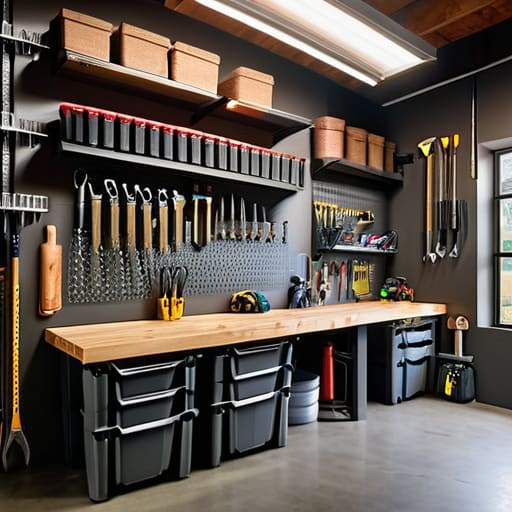
At the end of the day, organizing a garage isn’t about making it look like something out of a fancy home magazine; it’s about making sure you aren’t hunting for the screwdriver for twenty minutes every time a sink leaks. We’ve talked about the importance of that initial, honest decluttering session, picking out storage solutions that actually fit your life, and making sure everything has a specific, labeled home. It might feel like a mountain of work right now, but once you’ve sorted through the junk and put your tools where they belong, you’ll realize you haven’t just organized a room—you’ve reclaimed your space and your sanity.
If you’re feeling overwhelmed, please remember that you don’t have to tackle the whole garage in a single Saturday. I know from experience that trying to do too much at once is the fastest way to end up discouraged and sitting on a pile of half-sorted boxes. Just pick one shelf or one corner this weekend. Small, steady wins are what lead to real, lasting change. You’ve got this, and I promise that the first time you walk into a garage that actually works for you instead of against you, it will be worth every bit of the effort.
Frequently Asked Questions
How do I decide what's actually worth keeping and what's just taking up space?
Look, I know how it feels—you see that old toolkit or those half-used paint cans and think, “I might need that someday.” But “someday” is a trap. I use a simple rule: if I haven’t touched it in a year, and it doesn’t serve a specific, immediate purpose, it’s just expensive clutter. If it’s broken, fix it today or toss it. If it’s just “maybe” useful, let it go. Your space is worth more than your “maybes.”
I don't have a huge budget—what are some cheap ways to organize without spending a fortune at a big-box store?
Listen, you don’t need a massive budget or a trip to a fancy home goods store to get this done. I’ve learned over the years that some of my best organization came from things I already owned. Grab those sturdy cardboard boxes from your recent deliveries, or better yet, check the local thrift shop for mismatched plastic bins. Even old mason jars or sturdy shoe boxes can hold screws and nails perfectly well. Keep it simple and keep it cheap.
How do I keep the garage from turning back into a junk pile two months after I've cleaned it?
The secret isn’t a better shelf; it’s a better rule. I call it the “One-In, One-Out” habit. If you bring home a new set of power tools, an old broken one has to go. Also, stop treating the garage like a transit station for things you aren’t ready to deal with. If it doesn’t have a dedicated home on a shelf or hook, it’s just clutter waiting to happen. Keep it simple.