I used to think that if I just bought one of those fancy, ergonomic standing desks or a designer lamp that cost more than my weekly grocery budget, I’d suddenly become some kind of productivity machine. But after years of trying to squeeze work into every nook and cranny of a busy house, I’ve learned that expensive gadgets are usually just expensive distractions. You don’t need a showroom-ready office to get things done; you just need to figure out how to build a productive workspace that actually fits the reality of your life, not some Pinterest fantasy.
I’m not here to sell you on high-end tech or complicated organizational systems that take more time to maintain than the work itself. Instead, I want to share the practical, low-cost tweaks I’ve learned from years of managing a household and a side hustle on a budget. We’re going to talk about clearing the physical clutter, finding the right light, and setting up a spot that makes you feel calm and focused the moment you sit down. No fluff, no big spending—just real ways to make your space work for you.
Table of Contents
Smart Home Office Organization Hacks for a Tidy Desk
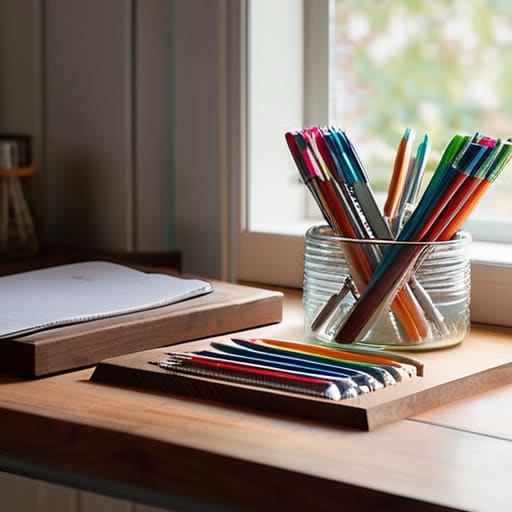
Now, I’m not talking about buying those fancy, expensive organizers you see in those glossy magazines. Most of that stuff just ends up being more clutter to clean around. Real home office organization hacks are about being practical. I like to use old mason jars for my pens and paperclips, or even a sturdy muffin tin to keep small bits like thumb tacks or USB drives from rolling around. If you can see it, you can use it, but if it’s cluttering up your actual work surface, it’s gotta go into a drawer or a bin.
The real trick to improving workflow with desk layout is keeping the things you touch every single day within arm’s reach, and everything else tucked away. I’ve found that if I leave my mail or random receipts on the corner of my desk, they slowly spread until I can’t even see the wood anymore. Keep your “active” zone clear. A little bit of discipline goes a long way in making sure your desk stays a place where you can actually think, rather than just another surface for life’s junk to pile up.
Improving Workflow With Desk Layout and Essential Tools
Once you’ve got the clutter cleared away, it’s time to think about how you actually move while you’re working. I learned the hard way that if your monitor is too low or your chair is lumpy, you’ll spend more time rubbing your neck than actually getting things done. I’m a big believer in ergonomic office setup tips that don’t cost a fortune—even just propping your laptop up on a couple of sturdy books can make a world of difference. You want your screen at eye level so you aren’t slouching like a question mark by three in the afternoon.
It’s also about how you arrange your gear. I like to keep my most-used items, like my notepad and a good pen, within arm’s reach, while tucking the stuff I only need once a week into a drawer. This is really the secret to improving workflow with desk layout; if you have to hunt for a stapler every time you need one, you’ve already lost your rhythm. Pair a good layout with some decent workspace lighting for focus—maybe a simple lamp instead of that harsh overhead light—and you’ll find you can settle into your tasks much more easily.
Five Little Ways to Make Your Desk Work for You
- Stop letting the “junk drawer” mentality take over your desktop. If you haven’t touched a pen, a staple, or a random scrap of paper in a week, it doesn’t belong in your immediate line of sight. Clear the visual clutter so your brain can actually focus on the task in front of you.
- Invest in one good piece of lighting. I learned this the hard way during those late-night budget sessions; a harsh overhead light or a dim corner makes you tired much faster. A simple, warm desk lamp can make your workspace feel intentional rather than just a place where you happen to sit.
- Keep a “distraction notepad” right next to your keyboard. Whenever a random thought pops up—like needing to call the plumber or checking a weather report—write it down immediately and get back to work. It gets the thought out of your head without letting you fall down a rabbit hole.
- Make sure your most-used tools are within arm’s reach, but don’t overstuff the area. You want your notebook, your favorite pen, and maybe a glass of water nearby, but if you have to move three things just to find your calculator, you’re creating tiny moments of frustration that add up.
- Bring a little bit of life to the space, even if it’s just a small, low-maintenance plant. A tiny succulent or even just a photo that makes you smile can take the edge off a stressful workday. It turns a sterile desk into a space that actually feels like it belongs to you.
Two Cents to Remember
Don’t go overboard buying fancy gadgets; a clear surface and one good lamp are worth more than a dozen expensive organizers you’ll never use.
Keep your most-used items within arm’s reach so you aren’t constantly breaking your focus by digging through drawers.
Make tidying up a part of your daily rhythm, like clearing your desk every evening so you can start the next morning with a clean slate.
A Little Less Clutter, A Lot More Focus
“You don’t need a fancy standing desk or a high-tech gadget to get things moving; you just need a clear surface and a space that doesn’t feel like it’s fighting against you every time you sit down to work.”
Marion Kessler
Making it Work for You
At the end of the day, building a productive workspace isn’t about buying every fancy gadget you see in an online ad. It’s about the small, intentional choices we make—clearing away that pile of old mail, making sure your lamp actually lights up your paperwork, and setting up your tools so they are right where your hands need them. When you focus on smart organization and a layout that actually flows with your habits, you stop fighting your environment and start working with it. It might take a little bit of trial and error to find your rhythm, but I promise you, a tidy desk leads to a much clearer head.
Please remember that your workspace should serve you, not the other way around. If a certain setup isn’t working, don’t get discouraged; just tweak it, move a drawer, or clear a corner and try again. We spend so much of our lives working, and we deserve a space that feels like a partner rather than a chore. You don’t need a massive home office or a designer budget to find your focus. Just start with what you have, keep it simple, and be patient with yourself as you build a space that helps you feel truly in control of your day.
Frequently Asked Questions
How can I make a workspace feel productive if I'm working from a tiny kitchen table or a corner of the living room?
Look, I’ve spent plenty of afternoons trying to type away while the laundry hums nearby or the kids are playing in the next room. When you don’t have a dedicated office, you have to create “mental boundaries.” Use a specific tray or a small rolling cart to hold your work supplies; when the workday is done, tuck the tray away. It signals to your brain—and your family—that work is officially over.
What are some cheap or DIY ways to organize my desk without spending a fortune at a big-box office store?
You don’t need to drop a paycheck at an office supply store to get organized. I always say, look around your house first. Empty glass jars—like old jam or pasta sauce containers—make perfect pen holders once you wash them off. You can even use old shoeboxes or sturdy cereal boxes, wrapped in some leftover scrap fabric or even brown paper bags, to create custom drawer dividers. It’s about being clever, not expensive.
How do I stop myself from getting distracted by my phone or household chores when I'm sitting down to get work done?
I know that feeling all too well—you sit down to focus, and suddenly the laundry pile or a buzzing phone feels way more urgent than your actual work. My trick? I treat my workspace like a sanctuary. I put my phone in a kitchen drawer—out of sight, out of mind—and set a timer for thirty minutes. If a chore pops into my head, I jot it down in my notebook to handle later. Don’t let the little things steal your focus.