I remember standing in my doorway five years ago, staring at a mountain of mismatched shoes, tangled leash cords, and a pile of unopened mail that seemed to grow every time I blinked. I was exhausted, running late for a school pickup, and couldn’t find my car keys for the third time that week. It wasn’t that I lacked a “system”—it was that I was trying to follow those fancy, expensive magazine layouts that look pretty but fall apart the second a real human being walks through the door. Truth be told, most advice on home entry organization is just a way to sell you overpriced wicker baskets and custom cabinetry you don’t actually need.
I’m not here to tell you to spend a fortune on designer bins or spend your entire Saturday color-coding your coats. Instead, I want to share the practical, low-cost habits I’ve learned from years of managing a busy household on a budget. I’m going to show you how to set up a simple, functional landing strip that actually works for your family’s real life. We’re going to focus on small, repeatable wins that stop the entryway chaos before it starts, so you can finally walk through your front door and actually breathe.
Table of Contents
Smart Mudroom Storage Solutions for Busy Mornings
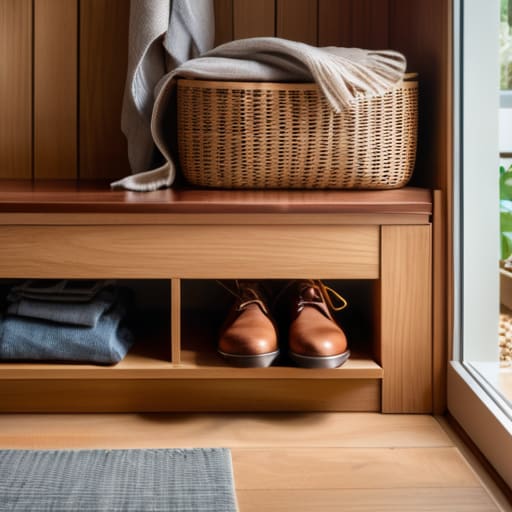
When the morning rush hits, the last thing you need is a frantic search for a missing sneaker or a rogue car key. I’ve learned the hard way that if everything doesn’t have a “home” right by the door, it ends up scattered across the kitchen table. One of my favorite mudroom storage solutions is investing in a sturdy entryway bench with storage tucked underneath. It serves a dual purpose: it gives you a place to sit while tugging on boots, and those cubbies or drawers are perfect for stashing seasonal gear like mittens or umbrellas so they aren’t tripping you up in the hallway.
For those of us working with tighter spaces, you don’t need a massive walk-in mudroom to make this work. I’m a big believer in vertical space. A few simple wall hooks—placed at different heights for kids and adults—can do wonders for organizing mail and small items like sunglasses or dog leashes. If you keep a small basket right by the door for those daily flyers and envelopes, you’ll stop that dreaded paper pile-up before it even starts.
Small Entryway Decluttering Tips That Actually Work
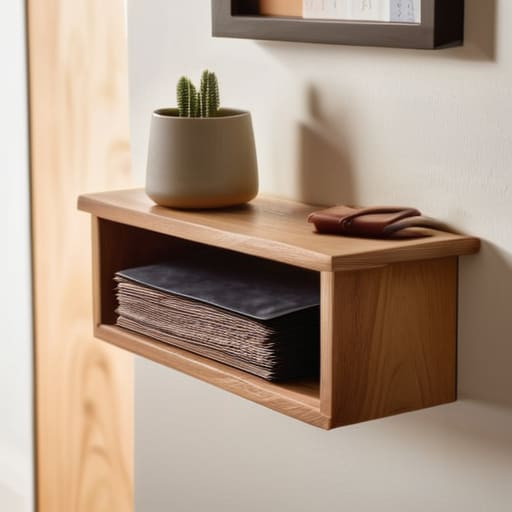
Now, I know what you’re thinking—you don’t need a massive renovation or a fancy designer to fix this. Most of the time, the mess in our entryways comes from “surface creep,” where everything from spare change to old receipts just settles on the first flat thing it finds. My best small entryway decluttering tips always start with a hard rule: if it doesn’t belong in the hallway, it doesn’t stay in the hallway. I spent years letting the junk mail pile up until it looked like a paper landslide, but once I started organizing mail and small items into a dedicated little tray or a wall-mounted pocket, the visual noise just… vanished.
If you’re working with a tight space, don’t try to fight the floor; use the walls instead. I’m a big believer in vertical space because it keeps the walking path clear. If you can swing it, adding an entryway bench with storage is a total game-changer for families. It gives the kids a place to sit while they struggle with their laces, and more importantly, it gives you a hidden spot to tuck away those stray shoes and seasonal gear that usually end up tripping you up in the dark.
Five Simple Ways to Keep the Chaos at the Door
- Set up a “landing strip” right by the door—a small tray or a dedicated bowl for your keys, sunglasses, and loose change—so you aren’t tearing the house apart five minutes before you have to leave.
- Invest in a sturdy basket for each family member; it’s much easier to tell a kid to “toss your shoes in your basket” than to ask them to line them up neatly against the wall.
- Use vertical space with heavy-duty wall hooks instead of a bulky coat rack; it keeps the floor clear and makes it much harder for things to get buried under a pile of bags.
- Keep a small “go-kit” near the door with things like extra masks, hand sanitizer, and a spare umbrella, so you aren’t scrambling to find them when the weather turns or you’re rushing out.
- Do a “five-minute sweep” every night before bed to tuck away any stray shoes or bags that migrated to the entryway during the day, so you wake up to a calm space instead of a mess.
Making It Stick: My Three Golden Rules for a Tidy Entryway
Don’t overcomplicate it; start with a “landing strip” for your essentials like keys and mail so you aren’t hunting for them when you’re already five minutes late.
Think about your daily rhythm, not just what looks pretty—if your kids can’t reach the hooks or the cubbies, those baskets are just going to end up on the floor anyway.
Do a quick five-minute reset every evening, clearing away the shoes and bags from the day so you don’t wake up to a mess that immediately stresses you out.
Why the Entryway Matters
“Your entryway isn’t just a place to drop your coat; it’s the gatekeeper of your peace of mind. If you can master that first ten feet of your home, you won’t spend the rest of your evening tripping over the chaos you brought in with you.”
Marion Kessler
Making it Stick
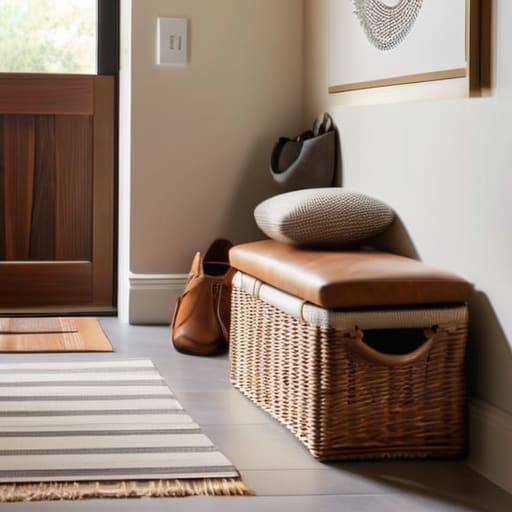
At the end of the day, organizing your entryway isn’t about having a picture-perfect home you see in a glossy magazine; it’s about making sure you aren’t hunting for your car keys for fifteen minutes while the kids are already in the car. By setting up that little landing strip for your mail, choosing smart storage that actually fits your family’s rhythm, and clearing out the clutter before it has a chance to pile up, you are essentially buying yourself more time every single morning. It might feel like a lot of small steps right now, but once those habits take root, you’ll find that the chaos simply stops at the front door.
I know that when you’re staring at a mountain of shoes and a pile of unopened mail, it can feel completely overwhelming. But please remember that you don’t have to fix everything by Tuesday. Start with one small corner, one single hook, or even just one clear surface. A tidy home isn’t built overnight, and it certainly doesn’t require a massive budget or a professional organizer. It’s built through these tiny, intentional choices we make every day. You’ve got this, and I promise that a little bit of order goes a long way toward a much calmer life.
Frequently Asked Questions
I have a tiny entryway with no room for a bench or cubbies, so how can I keep things organized without it feeling cramped?
I’ve been there—that tiny little hallway that feels like it’s closing in on you the moment you drop your bag. When you don’t have floor space for big cubbies, you have to think vertically. I always tell people: use your walls! A few sturdy, decorative hooks for coats and a slim wall-mounted mail organizer can work wonders. It keeps the floor clear and the visual clutter down, so your entryway stays a doorway, not a storage unit.
How do I handle the "seasonal clutter" problem, like when heavy winter coats and muddy boots start taking over the space in November?
The “November takeover” is real, and it usually happens because we try to cram everything into the same space all year. My rule is simple: if you aren’t wearing it this week, it shouldn’t be in the entryway. As soon as the first frost hits, move those light spring jackets to a bin in the hall closet or under the bed. Swap them for the heavy gear. It keeps the entryway from feeling like a crowded closet.
What are some inexpensive ways to organize a mudroom if I'm working with an old house that doesn't have built-in closets or much storage?
When you’re dealing with an old house, you usually don’t have the luxury of those fancy built-in cubbies. I’ve been there. My first trick is to head straight to a thrift store for some sturdy wooden crates or old baskets; they’re perfect for corralling stray shoes or mittens. You can also grab some heavy-duty command hooks for coats and bags—no drilling required. It’s all about creating “zones” with what you’ve got.