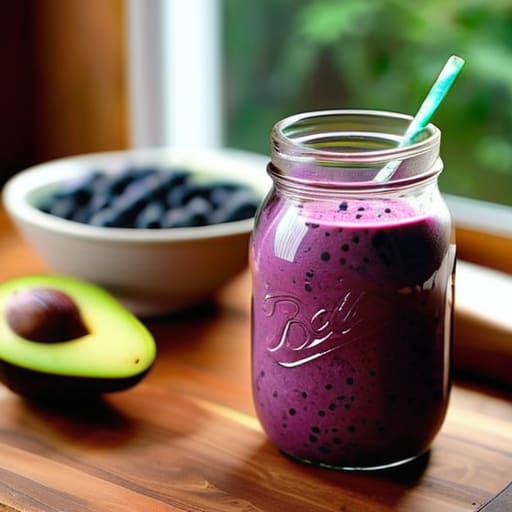
I am so tired of seeing those glossy magazine covers claiming you need a fifty-dollar high-speed blender and a basket full of exotic, imported superfruits just to get a decent breakfast. Honestly, if you think you need to spend half your grocery budget on dragon fruit and chia seeds just to learn how to make a smoothie, you’ve been sold a bill of goods. I spent years thinking I was doing it wrong because my kitchen didn’t look like a wellness retreat, but the truth is, most of those fancy recipes are just expensive ways to waste time.
I’m not here to sell you on a lifestyle overhaul or a complicated list of supplements you don’t need. Instead, I want to show you how to use what you already have in your freezer and pantry to make something that actually tastes good and keeps you full until lunch. I’ll be sharing my no-nonsense approach to building a better breakfast—one that relies on smart substitutions, smart shopping, and a little bit of kitchen common sense. We’re going to keep it simple, affordable, and delicious.
Table of Contents
Choosing Your Smoothie Base Ingredients Wisely
Now, before you start throwing things into the blender, let’s talk about your foundation. I’ve learned the hard way that if you get your smoothie base ingredients wrong, you end up with something that’s either a watery mess or a thick sludge that’s impossible to sip. I always start with a liquid—milk, almond milk, or even just plain water—but I try not to go overboard. You want enough to get things moving, but not so much that you lose that creamy feeling.
When it comes to the thick stuff, I’m a big believer in using frozen fruit rather than just dumping in a handful of ice cubes. One of my favorite smoothie texture hacks is using frozen bananas or even frozen cauliflower florets. Using frozen fruit keeps everything chilled and velvety without that watered-down taste you get from too much ice. If you’re looking to make it a full meal that actually keeps you full until lunch, don’t forget about adding protein to smoothies with a scoop of Greek yogurt or a bit of nut butter. It makes all the difference.
Mastering Nutritional Smoothie Components for Real Energy
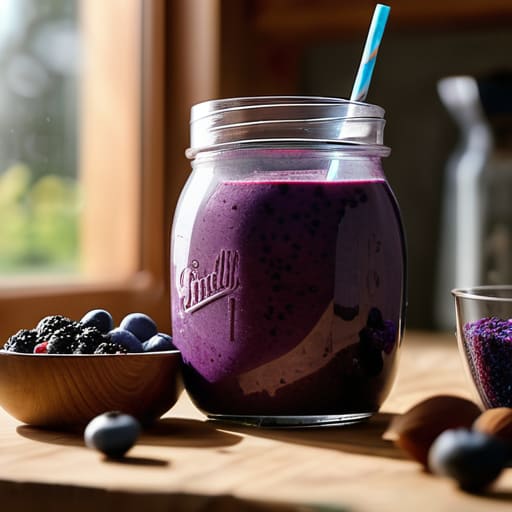
Now, if you want a smoothie that actually keeps you full until lunch rather than leaving you crashing by 10:00 AM, you have to look beyond just the fruit. Most people make the mistake of making a “sugar bomb”—just juice and berries—which spikes your energy and then lets it plummet. To get real, sustained energy, you need to focus on the nutritional smoothie components that provide staying power. I always tell my neighbors to think about balance: you need a healthy fat or a fiber source to slow down all that natural sugar.
One of my favorite ways to do this is by adding protein to smoothies through simple, inexpensive additions like Greek yogurt, a spoonful of peanut butter, or even some hemp seeds if you’re feeling fancy. If you’re looking for a little extra heft without a lot of extra cost, adding a tablespoon of chia seeds or ground flaxseed is a total game-changer. It makes the drink feel more like a meal and less like a snack, which is exactly what I need when I’m busy tackling the house or running errands.
My Little Tricks for a Better Blend
- Don’t go overboard with the expensive powders. I’ve learned that a scoop of Greek yogurt or even a spoonful of peanut butter does a much better job of keeping you full than those pricey supplement packets.
- Freeze your fruit ahead of time. It sounds simple, but using frozen bananas or berries instead of ice cubes keeps the drink thick and creamy rather than watered down and crunchy.
- Always put your liquids in the blender first. It feels counterintuitive, but pouring your milk or water in before the heavy frozen stuff helps the blades catch and prevents that annoying motor-straining struggle.
- Watch the “sugar trap” by keeping an eye on your juices. I try to stick to unsweetened almond milk or plain water; if you use store-bought orange juice as a base, you’re basically drinking a liquid candy bar.
- Keep a “smoothie kit” in your freezer. I prep small bags of mixed fruit and greens on Sunday nights so that on a hectic Tuesday morning, I’m just grabbing a bag and hitting ‘start’ instead of chopping away.
Making It Work for Your Real Life
Don’t get hung up on expensive superfoods; a simple base of frozen fruit and a splash of milk or water is plenty to get you started.
Remember that a good smoothie needs more than just sugar, so always toss in a handful of greens or a spoonful of seeds to keep you full until lunch.
Keep your ingredients on hand in the freezer to save money and time, so you aren’t scrambling when you’re actually hungry.
My Golden Rule for Smoothies
“Don’t go chasing expensive, exotic superfoods you’ll only use once; just grab what’s in season, use what’s in your freezer, and focus on making it something that actually keeps you full until lunch.”
Marion Kessler
Making It Work for You
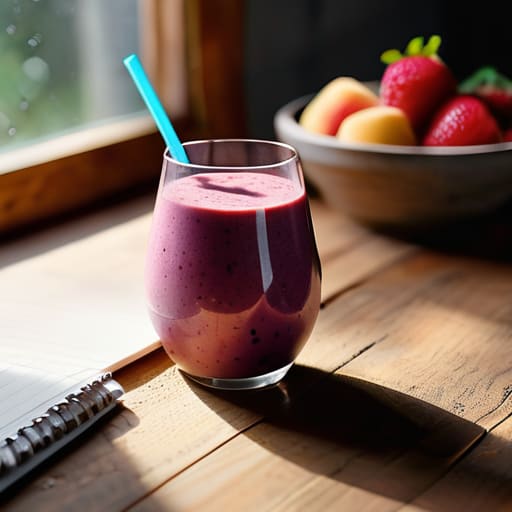
At the end of the day, making a great smoothie isn’t about following a rigid, expensive recipe from a fancy health magazine. It’s about knowing your own kitchen and what works for your schedule. Remember to keep your base simple, don’t forget to toss in something for lasting energy like seeds or nut butter, and always keep an eye on those unit prices in your little notebook to make sure you aren’t overspending on frozen fruit. Once you get the hang of balancing your liquids, fruits, and proteins, you’ll realize that you don’t need a countertop blender that costs a month’s worth of groceries to make something that tastes good and keeps you full until lunch.
I know that when life gets hectic—between work, errands, and everything in between—the last thing you want to do is overcomplicate your breakfast. But I promise you, taking those extra two minutes to blend up a quick drink can change the whole rhythm of your morning. It’s one of those small, practical habits that makes a big difference in how you feel by noon. Don’t aim for perfection right out of the gate; just start with what you have in the pantry and find your own groove. You’ve got this, and your wallet (and your stomach) will thank you for it.
Frequently Asked Questions
Can I use frozen fruit instead of fresh to save money, or does it change the texture too much?
Honestly, frozen is my secret weapon. Not only does it save you a decent chunk of change—especially if you grab the store brand—but it actually makes the texture better. Using frozen fruit gives you that thick, creamy, milkshake-like consistency without having to add extra ice, which can sometimes make a smoothie taste watered down. Just keep an eye on the bag; sometimes the “mixed berry” blends have more fillers than actual fruit.
How do I make sure my smoothie actually keeps me full until lunch instead of just giving me a sugar crash?
The trick is to stop thinking of a smoothie as just fruit juice and start treating it like a meal. If it’s all fruit, you’re going to crash by 10:00 AM. You need “staying power,” which means adding healthy fats and protein. I always toss in a spoonful of peanut butter, some Greek yogurt, or even a handful of oats. That extra bit of substance slows down the sugar hit and keeps your stomach quiet until lunch.
Is there a trick to cleaning the blender quickly so I'm not stuck at the sink for ten minutes every morning?
Oh, I hear you. There is nothing that kills a morning mood faster than a sink full of sticky, purple residue. Here’s my little shortcut: as soon as you pour your smoothie into your glass, don’t let that blender sit. Fill it halfway with warm water and a single drop of dish soap, then run it on high for thirty seconds. Rinse it out, and you’re done. It takes a minute, and you won’t be scrubbing later.