I remember sitting at my kitchen table back in the late nineties, staring at a stack of utility bills and a grocery list that felt more like a wishlist. The house was quiet, the kids were finally asleep, and I was doing that frantic mental math we all know too well, wondering exactly how to make your money last until at least next Tuesday. It wasn’t about fancy investment portfolios or high-yield savings accounts back then; it was about the real, gritty math of survival—deciding if we could skip the brand-name cereal or if I could stretch that single chicken breast across three different dinners.
I’m not here to sell you on some complicated financial scheme or tell you to live a life of total deprivation. I’ve spent years learning through trial, error, and a very worn-out pocket notebook that I’m still using today. In this post, I’m going to share the straight-talk strategies I’ve used to keep my head above water and my pantry full. We’re going to look at small, manageable shifts in your daily habits that actually move the needle, so you can stop feeling like you’re constantly chasing your tail and start feeling like you’re finally in the driver’s seat.
Table of Contents
Smart Grocery Shopping to Stop the Weekly Drain
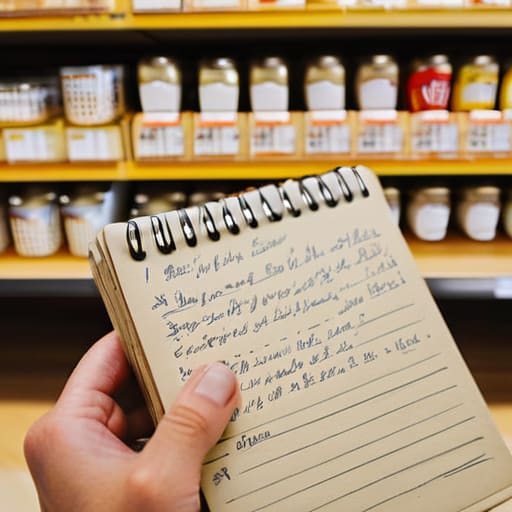
Now, if you want to see real change in your bank account, you have to look at the grocery store. It’s usually the biggest “leak” in a household budget because it’s so easy to wander the aisles and grab things we don’t actually need. One of my favorite frugal living tips is to never, ever shop without a list—and more importantly, never shop while you’re hungry. I keep a little worn notebook in my purse where I jot down the price-per-unit of staples like oats or canned beans. When you stop buying based on what looks good in the moment and start buying based on what you know you’ll use, you’ll see your total drop almost immediately.
Another trick I swear by is embracing the “pantry challenge” once a month. Before you head out for a big haul, see what you can stretch using what’s already in your cupboards. By focusing on smart grocery shopping—like buying generic brands or sticking to seasonal produce—you’re doing more than just saving a few bucks; you’re actively reducing monthly overhead without feeling like you’re depriving yourself. It’s about being intentional, not restrictive.
Managing Variable Expenses Without Losing Your Mind

Now, let’s talk about those “surprise” costs that always seem to pop up right when you think you’re getting ahead. I’m talking about the car repair that hits on a Tuesday, the kid’s sudden need for new school shoes, or even that unexpected gift for a birthday. These are what I call the budget-wreckers. When you’re managing variable expenses, it’s easy to feel like you’re failing if you go over your planned amount. But here’s the truth: life isn’t a spreadsheet, and it’s never going to be perfectly predictable.
Instead of letting these hiccups derail your entire month, I’ve found that the best approach is to build a little “wiggle room” into your plan. I don’t use any fancy apps—just a simple notebook where I jot down what actually goes out the door. This kind of basic expense tracking helps you see patterns you might otherwise miss. If you can tuck away even just twenty dollars a week into a separate jar or account, you’re essentially building your own safety net. It’s not about being perfect; it’s about being prepared so a small hiccup doesn’t turn into a full-blown crisis.
Five Simple Ways to Keep More Cash in Your Pocket
- Give every dollar a job before the month begins. I used to just look at my bank balance and hope for the best, but that’s how you end up wondering where it all went by the 20th. Sit down with a cup of coffee and decide exactly what your money is for—rent, electricity, that little bit of savings—so you aren’t making decisions on the fly.
- Trim the “invisible” monthly leaks. We all have them—that streaming service we don’t watch or the app subscription that’s just sitting there eating ten bucks a month. Go through your bank statement with a highlighter and be ruthless; if you haven’t used it in thirty days, cancel it.
- Build a “mini” emergency fund first. You don’t need a massive investment account right away, but having even five hundred dollars tucked away in a separate spot can be the difference between a flat tire being a minor annoyance or a total financial crisis.
- Master the art of the “wait-and-see” rule. Whenever I see something I want—whether it’s a new kitchen gadget or a cute pair of shoes—I force myself to wait forty-eight hours before buying it. Most of the time, that “must-have” feeling fades, and I realize I didn’t actually need it.
- Automate your small wins. If you can, set up your bank to move a tiny amount—even just twenty dollars—into a savings account every payday. If you never see it in your checking account, you won’t miss it, and you’ll be surprised how quickly that little pile grows.
Making It Stick: My Three Golden Rules
Keep your eyes on the small stuff—it’s usually those little, mindless daily spends that quietly eat away at your ability to pay for the big things.
Don’t aim for perfection; just aim for a plan that you can actually stick to when life gets messy or unexpected bills pop up.
Treat your savings like a non-negotiable bill you owe yourself, even if it’s just a tiny amount, because consistency beats a big windfall every single time.
## The Secret to Staying Ahead
“Making your money last isn’t about depriving yourself of every little joy; it’s about making sure your spending actually matches your life, rather than just letting it leak away through a dozen tiny holes you didn’t even know were there.”
Marion Kessler
Making It Work for You

At the end of the day, making your money last isn’t about some complicated mathematical formula or living a life of total deprivation. It’s about the small, intentional choices we make every single week—like checking those unit prices at the store before tossing a box into the cart, or setting aside a little extra cushion for those unpredictable car repairs or doctor visits. We’ve talked about tightening up the grocery budget and finding ways to handle those pesky variable expenses that always seem to pop up right when you’re feeling ahead. When you combine those habits, you aren’t just saving pennies; you are building a foundation of stability that keeps you from feeling like you’re constantly playing catch-up with your own bank account.
I know it can feel overwhelming when you first start looking at the numbers, but please don’t let the fear of doing it “wrong” stop you from even trying. You don’t need a fancy degree or a high-powered spreadsheet to take control; you just need a little bit of grit and consistency. Start small, celebrate the tiny wins—like that extra twenty dollars left over at the end of the month—and remember that you are doing this for your future self. You’ve got this, and I promise that once you start seeing those small shifts take hold, life is going to feel a whole lot steadier.
Frequently Asked Questions
How do I handle those unexpected "emergency" costs, like a sudden car repair or a broken appliance, when my budget is already stretched thin?
Look, I’ve been there—standing in the driveway staring at a smoking engine while my bank account sits at zero. It’s terrifying. When things break, don’t panic and reach for the credit card first. If you can, call around for a few quotes or check if a local repair shop offers a payment plan. Moving forward, even if it’s just five dollars a week, start a “Life Happens” jar. It’s not a huge fund, but it’s a cushion.
I know how to cut back on groceries, but what are some realistic ways to save on things like utility bills and household supplies without feeling like I'm living in deprivation?
Look, I get it. Nobody wants to sit in the dark just to save a few cents. Instead of cutting things out, try cutting the waste. I started by switching to LED bulbs and only running the dishwasher when it’s actually full—it sounds small, but those little shifts add up. For supplies, I stopped buying name-brand cleaners and switched to bulk basics or even just vinegar and baking soda. It’s about being smarter, not living smaller.
Is it better to focus on paying off my small debts first, or should I be putting that extra bit of money toward a savings cushion instead?
I know exactly how heavy that decision feels—it’s like trying to decide whether to patch a leak or save for a rainy day. If I were sitting across from you with a cup of coffee, I’d tell you this: aim for a tiny “starter” cushion first. Just enough to cover a sudden car repair or a broken appliance so you don’t end up back in debt. Once that safety net is there, turn your full attention to those small debts. Knocking them out one by one gives you the momentum you need to keep going.