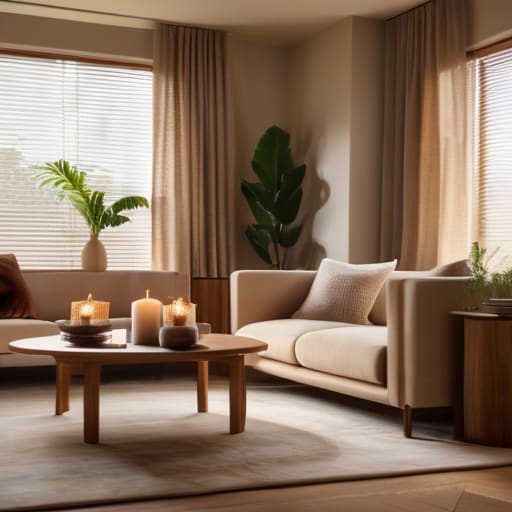
I remember sitting at my kitchen table a few years ago, trying to balance the checkbook under the harsh, buzzing glare of a single overhead fluorescent bulb. It felt like I was sitting in a doctor’s office or a high school cafeteria rather than my own home; I was tense, my eyes were aching, and I just couldn’t relax. It’s funny how we spend so much time picking out the perfect rug or the right shade of paint, but we completely overlook how the wrong light can turn a cozy living room into a cold, sterile space. Most of the advice you see online about home lighting tips involves spending hundreds on designer fixtures or hiring an electrician to rewire your entire life, but I’ve learned that you don’t need a massive budget to fix a mood that feels off.
I’m not here to sell you on expensive smart-home gadgets or complicated interior design trends that look good in a magazine but feel hollow in real life. Instead, I want to share the practical, low-cost ways I’ve learned to layer light to make a house feel like a sanctuary. We’re going to talk about the simple, common-sense adjustments that actually work, from where you place a thrifted lamp to choosing the right warmth for your bulbs, so you can finally feel at ease in your own space.
Table of Contents
- Mastering Layered Lighting Techniques for a Cozy Atmosphere
- Choosing Warm vs Cool Light Temperature for Every Room
- Five simple ways to brighten things up without breaking the bank
- My quick checklist for better lighting
- Lighting is more than just seeing where you're walking
- Making it Your Own
- Frequently Asked Questions
Mastering Layered Lighting Techniques for a Cozy Atmosphere
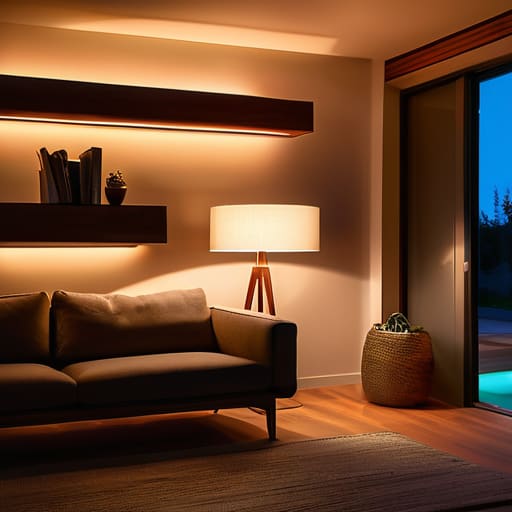
Now, if you want to move past that harsh, hospital-like feeling that comes from a single overhead light, you need to start thinking about layered lighting techniques. I like to think of it like building a good stew; you don’t just throw in one big ingredient and call it a day. You need different layers to create depth. Start with your ambient lighting solutions—the general light that fills the room—but then add layers of soft lamps in the corners or even some small battery-operated puck lights on a bookshelf. This prevents those awkward, dark shadows that make a room feel cavey and small.
The real secret to a cozy evening, though, is paying attention to warm vs cool light temperature. When I’m winding down after a long day of writing, the last thing I want is that bright, blueish light that makes me feel like I’m sitting in a dentist’s office. I always reach for bulbs with a “warm” glow—look for something in the 2700K range on the box. If you can, install a few dimmer switches in your main living areas. It’s a small investment that lets you dial the mood up for cleaning or down for a quiet movie night.
Choosing Warm vs Cool Light Temperature for Every Room

Now, this is where a lot of people get tripped up, and honestly, I did too for years. You walk into a store, see a box of bulbs, and just grab whatever is cheapest. But if you want your house to feel like a home rather than a sterile doctor’s office, you have to understand the difference between warm vs cool light temperature. I like to think of it like seasoning a meal; too much of one thing makes everything feel off. For the rooms where you actually want to relax—like your living room or the bedroom—stick to those warmer, amber-toned bulbs. They mimic the soft glow of a sunset and help your brain settle down for the evening.
However, there are places where that cozy warmth just won’t cut it. When I’m sitting at my desk trying to balance the checkbook or finish up some paperwork, I need clarity. That’s when I reach for a cooler, whiter light. It’s much better for task lighting for home office setups because it keeps you alert and prevents that heavy-eyed feeling. A good rule of thumb I use is to keep the “relaxing” rooms soft and the “working” rooms bright.
Five simple ways to brighten things up without breaking the bank
- Swap out those old, harsh bulbs for LEDs. I know, it sounds like a chore, but once you make the switch, you’ll notice how much more even the light is—and your electric bill will thank you at the end of the month.
- Put your lamps on timers or get some cheap smart plugs. There’s nothing quite like walking into a house that already feels “awake” and welcoming, rather than fumbling in the dark for a switch.
- Don’t forget about the corners. A dark corner can make a perfectly good room feel cramped and gloomy; a small, inexpensive floor lamp tucked away can make the whole space feel twice as large.
- Use mirrors to bounce what light you do have. If you’ve got a dim hallway or a small breakfast nook, hang a mirror opposite a window. It’s an old trick from my decorating days that works like a charm.
- Keep your shades and bulbs clean. It sounds silly, but dust builds up on lampshades and gets in the way of a good glow. A quick wipe once a month keeps everything looking bright and intentional.
My quick checklist for better lighting
Stop relying on that one big, harsh overhead light; use a mix of floor lamps and small table lamps to create a softer, more inviting feel in any room.
Keep your light bulbs warm and cozy for living areas and bedrooms, but don’t be afraid to use a slightly cooler light in the kitchen or bathroom where you actually need to see what you’re doing.
Think about how light moves through your house—adding a little glow to a dark corner or a dim lamp by your reading chair can make a space feel much more intentional without spending a fortune.
Lighting is more than just seeing where you're walking
You don’t need a massive renovation budget to change how a room feels; sometimes, just swapping out one harsh overhead bulb for a soft lamp in the corner is enough to turn a house that feels frantic into a home that feels like a sanctuary.
Marion Kessler
Making it Your Own
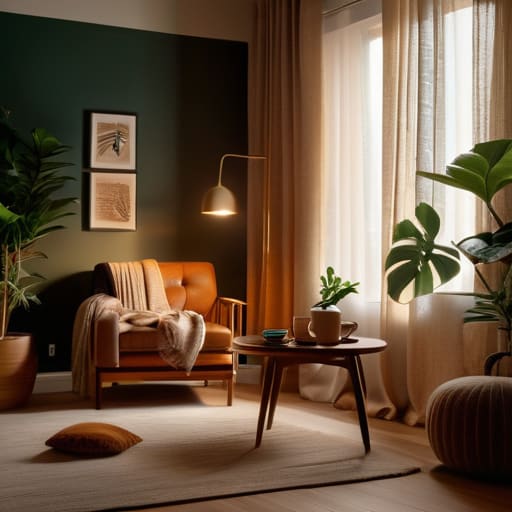
At the end of the day, lighting isn’t about following some expensive designer’s rules; it’s about making your space work for your actual life. Remember to look beyond that one harsh overhead light and start thinking in layers. Whether you’re swapping out a bulb for a warmer tone in the bedroom or tucking a small lamp into a dark corner of the living room, these little shifts make a world of difference. You don’t need a massive renovation budget to change the mood of a room—you just need to be intentional about where the light falls and how it makes you feel when you finally sit down to rest.
I know that when life gets busy and the house feels a bit chaotic, something as small as a lamp might feel like the last thing on your to-do list. But I promise you, there is something so deeply restorative about coming home to a space that feels soft and inviting rather than bright and clinical. Don’t feel like you have to fix every room at once. Just pick one corner, one table, or one nook this week and see how a little bit of softer light changes your evening. You deserve a home that feels like a true sanctuary, one little glow at a time.
Frequently Asked Questions
How much should I actually spend on new lamps if I'm trying to keep my budget tight?
Honestly, don’t go breaking the bank on designer pieces. If you’re on a tight budget, I always say start with thrift stores or even Facebook Marketplace—you can find sturdy, beautiful lamps for under $15 and just swap out the shade. If you’re buying new, aim for $20 to $40 per lamp. It’s better to have two decent, inexpensive ones scattered around than one fancy one that leaves the rest of the room in the dark.
Is there a way to make my lighting look better without having to rewire everything in my house?
Oh, I hear you loud and clear. The last thing any of us needs is a massive electrical bill or a contractor tearing up the drywall. The good news is, you don’t need to touch a single wire to make a huge difference. I always tell people: stop relying on those harsh overhead lights. Just grab a few plug-in floor lamps or even some inexpensive battery-operated puck lights under your cabinets. It’s all about adding layers.
Can you suggest some specific types of bulbs that won't flicker or die after just a month?
I know exactly what you mean—there is nothing more frustrating than buying a pack of bulbs only to have one start flickering or burn out before the month is even over. Honestly, I’ve learned the hard way to stick with name brands like Philips or GE. If you’re switching to LEDs, look for “dimmable” versions even if you don’t plan to dim them; they tend to be much higher quality and handle power fluctuations better.