
I’ll be honest: I’m tired of seeing those glossy magazine spreads that claim being “green” requires a complete kitchen overhaul and a bank account full of extra cash. You don’t need to spend a fortune on fancy bamboo gadgets or expensive designer compost bins just to do right by the planet. To me, most of those high-priced trends feel more like marketing ploys than actual eco friendly home tips. I’ve spent years stretching a single income in the Midwest, and if there’s one thing I’ve learned, it’s that real sustainability usually looks a lot more like common sense and a little bit of elbow grease than a trip to a boutique shop.
In this post, I’m skipping the fluff and the expensive gimmicks to give you the practical stuff that actually works in a busy, real-world household. I’m going to share the small, no-nonsense shifts I use in my own home to cut down on waste and save a few extra dollars at the grocery store. We’re going to focus on habits you can start today without feeling overwhelmed or broke, because a better home shouldn’t have to cost you a fortune.
Table of Contents
Simple Shifts Toward Zero Waste Living at Home
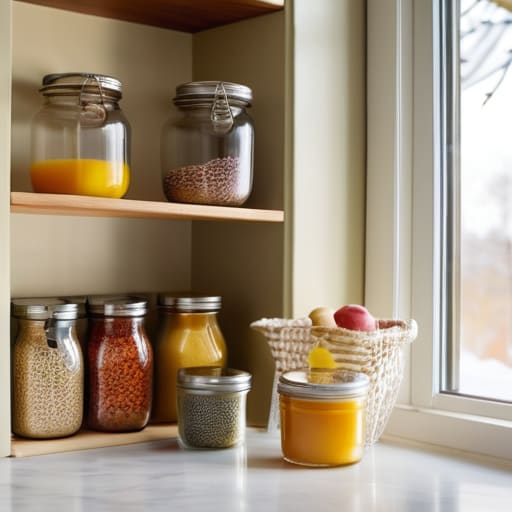
Now, I know “zero waste” sounds like one of those big, intimidating goals that requires a complete lifestyle overhaul, but it really isn’t about being perfect. For me, it started in the kitchen. Instead of reaching for those plastic-wrapped snacks or those flimsy sandwich bags that end up in the bin after one use, I started keeping a stash of reusable containers and beeswax wraps in my pantry. It’s a small change, but zero waste living at home becomes much easier when you stop buying things that are designed to be thrown away immediately.
Another thing I’ve learned is to look at what we use to keep our houses tidy. I used to buy every specialized, brightly colored spray bottle under the sun, but most of them are just expensive water in fancy packaging. Lately, I’ve switched to making my own simple mixtures with vinegar and baking soda, or just picking up some reliable eco friendly cleaning products that don’t come in a mountain of plastic. It keeps the counters clean, saves me a few dollars at the checkout, and honestly, my house just smells a lot more natural this way.
Better Habits Using Eco Friendly Cleaning Products

Now, let’s talk about what we’re actually using to scrub our counters and mop our floors. For years, I thought I needed a different, brightly colored plastic bottle under the sink for every single chore imaginable. But honestly? Most of those heavy-duty chemicals are expensive and leave a smell that makes me want to crack a window even in the dead of winter. I’ve found that switching to eco friendly cleaning products doesn’t mean you’re doing less work; it just means you’re working smarter.
I started small by making my own multi-purpose spray using white vinegar, water, and a few drops of lemon oil. It costs pennies compared to the big brands, and it actually works. If you aren’t ready to DIY, just look for brands that use concentrated refills or glass bottles. It’s a simple way of reducing household carbon footprint without having to overhaul your entire life overnight. You don’t need a fancy system—just a few reliable, non-toxic tools that get the job done without costing a fortune or cluttering up your cabinets.
A few more ways to save money and the planet at the same time
- Stop buying single-use paper towels and grab a pack of cheap cotton rags instead; you can use them for spills and then just toss them in the wash with your towels.
- Before you go out and buy a fancy new gadget, take a look at what you already have in the junk drawer or the garage—most of the time, a little bit of creativity can fix what’s broken.
- When it comes to lighting, swap out those old, power-hungry bulbs for LEDs whenever they burn out; it’s a small upfront cost that really shows up in your electric bill later.
- Try to cook more meals using what’s already in your pantry or freezer to prevent food from going bad, which keeps waste out of the landfill and keeps more cash in your pocket.
- Instead of buying those expensive, pre-packaged laundry pods, try a concentrated liquid or even a simple box of powder; it usually costs less per load and means less plastic ends up in the trash.
A few things to keep in mind
Don’t try to overhaul your whole life in one weekend; just pick one small thing, like swapping out your paper towels for rags, and stick with it until it feels natural.
Remember that being eco-friendly and being frugal go hand-in-hand—saving the planet usually means saving a bit of money for your own pocketbook, too.
Focus on what you already have in your cupboards before running out to buy fancy new “green” gadgets that you’ll probably just end up cluttering your counters with.
## A little more kindness, a little less waste
“Living a little greener doesn’t mean you need a fancy organic lifestyle or a massive budget; it’s really just about being a bit more intentional with what we bring through our front door and being careful not to throw money—or perfectly good resources—straight into the trash.”
Marion Kessler
Making it Work for You
At the end of the day, making your home a little greener isn’t about buying a whole new set of expensive, organic gadgets or following some perfect, spotless standard. It’s really just about those small, intentional shifts we talked about—cutting down on the trash we bring through the front door, swapping out harsh chemicals for things that actually work, and being a bit more mindful of what we consume. Whether you’re starting with a smarter grocery list to reduce food waste or just switching to a more natural floor cleaner, every little change adds up. I’ve found that when you stop trying to do everything at once, you actually end up sticking to the habits that really make a difference in your budget and your peace of mind.
Please don’t feel like you have to overhaul your entire life by Monday morning. Real, lasting change is a slow burn, much like restoring an old piece of furniture or finally getting a budget to balance. If you only manage to change one small thing this month, let that be enough. We aren’t aiming for perfection here; we’re just aiming to be a little bit better than we were yesterday. Take it one step at a time, trust your gut, and remember that small, consistent actions are what truly build a home that feels good to live in. You’ve got this.
Frequently Asked Questions
Is it actually cheaper to buy eco-friendly products, or am I just paying a "green premium" for fancy packaging?
I’ll be honest with you: if you’re just swapping your current soap for a pricey, boutique brand in a glass bottle, you’re definitely paying a “green premium.” That’s not smart math. But if you shift toward things like concentrated refills, bulk buying, or even just using vinegar and baking soda for cleaning, you’ll actually see your grocery bill drop. Real eco-friendly living isn’t about buying new “green” stuff; it’s about buying less and using what you have.
How do I know if those "natural" cleaners are actually getting the kitchen counters clean enough for my family?
I get that worry—I really do. When you’re raising a family, “natural” shouldn’t mean “ineffective.” Here’s my rule of thumb: look for the grit and the grease. If you wipe a counter and your finger slides smooth without any sticky residue or oily film left behind, you’re doing alright. I always keep a little white vinegar handy to test; if it cuts through the grime without a struggle, it’s working just fine.
I want to reduce waste, but where do I even start without feeling completely overwhelmed by the changes?
Oh, I hear you. When I first started trying to “go green,” I felt like I was failing because I couldn’t suddenly turn my house into a zero-waste museum. Please, don’t do that to yourself. Start exactly where you are. Pick one thing—maybe it’s just swapping out paper towels for washable rags or finally using those reusable bags you keep forgetting in the car. One small, winnable change is better than a dozen big ones you can’t stick to.