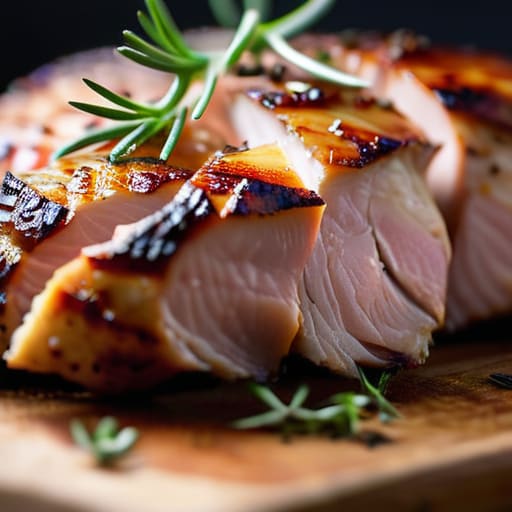
I used to think that if I wanted a decent dinner, I’d have to spend half my paycheck on fancy organic cuts or spend an hour hovering over a stove with a dozen different spices. For years, I struggled with the same problem as everyone else: I’d try to figure out how to cook chicken breast only to end up with something that had the texture of a dried-out sponge. It’s frustrating when a staple ingredient that’s supposed to be budget-friendly and easy ends up being a total waste of money and effort because it’s just too tough to swallow.
I’m not here to sell you on some complicated, five-star chef technique that requires tools you don’t own. Instead, I want to share the simple, reliable methods I’ve perfected over years of feeding a hungry family on a tight budget. I’m going to show you exactly how to cook chicken breast so it stays juicy, flavorful, and—most importantly—actually delicious every single time. No fluff, no expensive gadgets, just honest advice that works in a real kitchen.
Table of Contents
Smart Prep and the Best Seasonings for Chicken
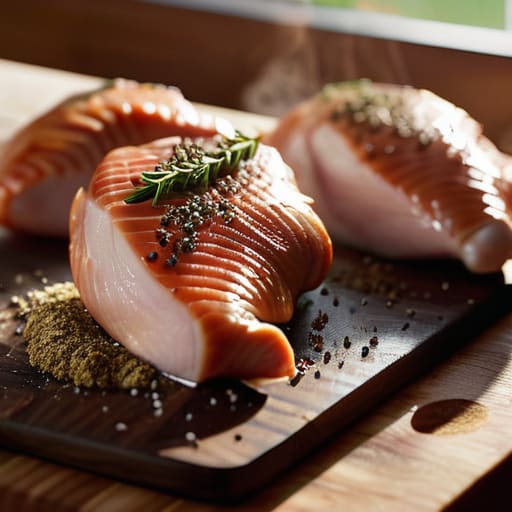
Before you even turn on the stove, I always tell myself that half the battle is won in the prep work. If you’re pulling your meat straight from the fridge and tossing it into a hot pan, you’re asking for trouble. I like to let mine sit on the counter for about fifteen minutes to take the chill off; it helps everything cook more evenly. While that’s happening, grab your seasoning. You don’t need a cabinet full of expensive spices to make this delicious. For me, the best seasonings for chicken are usually the basics: a good kosher salt, some cracked black pepper, and maybe a pinch of garlic powder or dried oregano. If you want a little more depth, a tiny bit of smoked paprika goes a long way.
Now, here is my biggest secret for preventing dry chicken breast: don’t be afraid of a little fat. I like to pat the meat completely dry with paper towels before rubbing it with a bit of olive oil or even melted butter. This ensures that when you use my favorite pan-seared chicken breast method, you get that beautiful, golden-brown crust instead of just gray, steamed meat.
A Reliable Pan Seared Chicken Breast Method
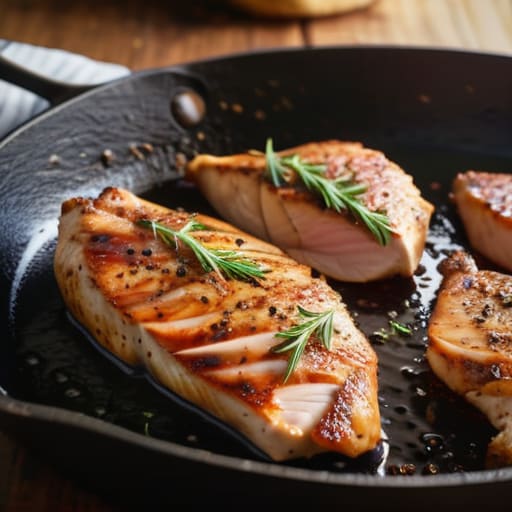
Now, let’s get down to the actual cooking. I’ve tried plenty of fancy techniques, but my go-to is always this simple pan-seared chicken breast method because it’s fast and doesn’t require a million dishes. Grab a heavy skillet—cast iron is my absolute favorite if you have one—and get it nice and hot over medium-high heat with a splash of oil. Once the oil shimmers, lay your seasoned chicken in the pan. Don’t crowd them, either; if you stuff the pan too full, the meat will steam instead of getting that lovely, golden-brown crust we’re looking for.
Let it sit undisturbed for about five or six minutes. I know it’s tempting to poke at it, but patience is key to getting a good sear. Flip it over, then turn the heat down just a notch to finish cooking through. To avoid the heartbreak of a tough, rubbery meal, I always keep a meat thermometer handy. You’re looking for an internal temperature for chicken of 165°F. Once it hits that mark, pull it off the heat immediately and let it rest on a plate for five minutes. That rest period is what actually does the work of preventing dry chicken breast, making sure all those juices stay right where they belong.
My Little Secrets for Perfect Chicken
- Don’t skimp on the salt; season your chicken well on both sides before it ever hits the pan so the flavor actually gets into the meat instead of just sitting on the surface.
- If your chicken breasts are unevenly thick—one end huge and the other skinny—give the thick part a gentle whack with a heavy skillet or a meat mallet to even it out; it’ll cook much more evenly.
- Let the meat sit on the counter for about fifteen minutes before cooking; if you throw ice-cold chicken straight into a hot pan, the outside will toughen up before the middle is even warm.
- Resist the urge to keep moving the chicken around; once it hits the oil, leave it alone for a few minutes so it can develop that beautiful, golden-brown crust that holds in all the juices.
- Always let your chicken rest on a plate for five minutes after you take it off the heat; if you cut into it right away, all that good moisture will run out and leave you with a dry, sad meal.
Quick Tips for Success
Don’t skip the seasoning; even a little salt and pepper goes a long way, but don’t be afraid to use what you have in the pantry to give it some real flavor.
Always let your chicken sit out for a few minutes before it hits the pan so it cooks more evenly and stays juicy.
Use a meat thermometer if you have one—it takes the guesswork out of it and stops you from accidentally serving something dry and rubbery.
## A Little Piece of Advice
“Stop treating chicken breast like it’s some complicated gourmet challenge; it’s just a reliable protein that deserves a little bit of respect, a decent seasoning, and a watchful eye so it doesn’t end up dry as a bone.”
Marion Kessler
Making it Part of Your Routine
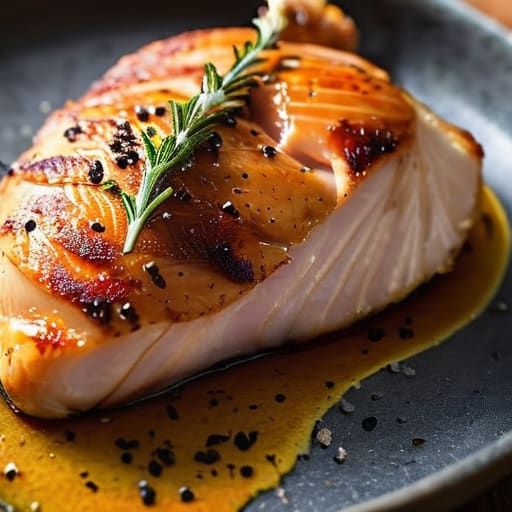
At the end of the day, cooking a great chicken breast really comes down to a few simple things: seasoning it well, not rushing the heat, and most importantly, not guessing when it’s done. Whether you’re using my favorite pan-searing method or just experimenting with some new spices from your pantry, the goal is to stop overcomplicating things. If you remember to pat that meat dry before it hits the pan and use a thermometer to keep it juicy, you’ve already won half the battle. It doesn’t need to be a gourmet production to be a delicious, healthy meal that feeds your family without breaking the bank.
I know that on those long Tuesdays when the kids are hungry and you’re exhausted, standing over a stove can feel like just one more chore on an endless list. But I promise you, once you get this rhythm down, it becomes second nature. There is a certain kind of peace that comes from knowing you can whip up a solid, nutritious dinner with just a few basic ingredients and a hot pan. You don’t need fancy kitchen gadgets or expensive cookbooks to take care of your home; you just need a little practice and the confidence to trust your instincts. You’ve got this, and your kitchen is going to feel a whole lot more manageable once you do.
Frequently Asked Questions
How can I tell if the chicken is actually done without it turning into a dry, rubbery mess?
Look, I’ve made my fair share of rubbery, overcooked chicken, and nobody wants that. The absolute best way to know it’s ready is to stop guessing and grab a meat thermometer. You’re looking for 165°F right in the thickest part. If you don’t have one, give the meat a gentle poke; it should feel firm but springy, not hard like a rock. Just pull it off the heat the second it hits that mark.
Is it worth it to let the chicken rest after cooking, or can I just dig in right away?
Oh, you definitely want to let it rest. I know when you’ve worked up an appetite, waiting feels like an eternity, but if you cut into that chicken the second it hits the plate, all those delicious juices will just run out all over your cutting board. Give it about five or ten minutes under some loose foil. It lets the juices settle back into the meat, so every bite stays tender instead of dry.
What’s the best way to cook a larger batch of chicken breasts at once if I'm meal prepping for the week?
If you’re looking to save time and sanity, skip the pan and use the oven. Line a large baking sheet with parchment paper—it makes cleanup a breeze—and lay your chicken out so they aren’t touching. Rub them with a little olive oil and your favorite seasonings, then bake them all at once at 400°F. Just keep an eye on them with a thermometer so they stay juicy for your weekday lunches.