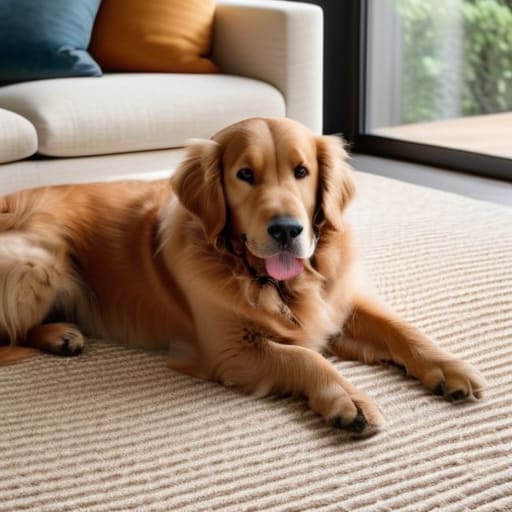
I remember sitting on my living room floor five years ago, staring at a beautiful, cream-colored rug I’d spent three months saving for, only to watch my golden retriever, Buster, trot in with muddy paws and a wagging tail. In that moment, I realized that most of the “designer” advice out there is completely useless for anyone who actually lives with animals. You don’t need to spend a fortune on high-end, specialized furniture to find pet friendly home ideas that actually work. Honestly, a lot of the stuff you see in those glossy magazines is just a recipe for expensive heartbreak once the fur and the shedding start.
I’m not here to tell you to buy some fancy, overpriced “pet-proof” gadget that’ll break in a week. Instead, I want to share the practical, low-cost swaps I’ve learned through years of trial and error in my own home. We’re going to talk about real-world solutions—like choosing the right fabrics and clever storage tricks—that keep your house looking tidy without making you feel like you’re living in a kennel. My goal is to help you create a space that is both beautiful and livable, so you can focus on the companionship rather than the constant cleaning.
Table of Contents
- Choosing Durable Fabrics for Pet Owners and Busy Lives
- The Best Pet Friendly Flooring Options for Easy Cleanup
- Five simple ways to keep the fur and mess under control
- Quick Tips for a Pet-Friendly Home
- ## Making Room for Furry Family Members
- Making Your House a Home for Everyone
- Frequently Asked Questions
Choosing Durable Fabrics for Pet Owners and Busy Lives
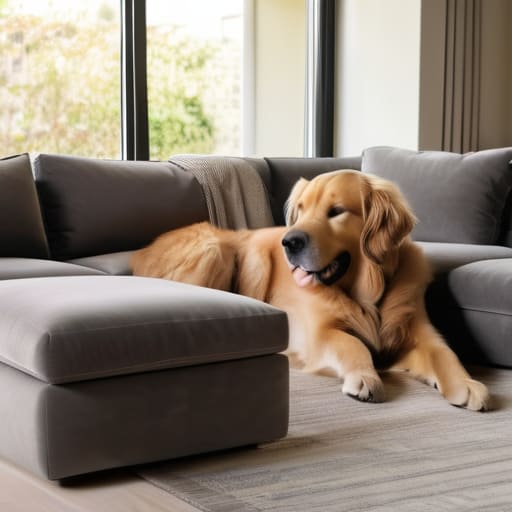
When I was first raising my kids, I thought I could get away with that beautiful, light-colored linen sofa. Then I got my first dog, and let’s just say that sofa didn’t last a month. If you want to keep your sanity, you have to prioritize scratch resistant materials for home when you’re shopping for upholstery. I’ve found that microfiber is a total lifesaver; it’s tough, it doesn’t snag easily on claws, and most importantly, it doesn’t act like a magnet for hair. If you can’t find microfiber, look for tightly woven synthetic blends that can handle a bit of a beating.
Another thing I’ve learned is that your fabric choice shouldn’t just be about the claws; it’s about the inevitable muddy paw prints. I always tell my readers to look for easy to clean pet furniture that can handle a damp cloth or a quick vacuum session without a fuss. Avoid anything too textured or “shaggy,” because once the hair gets tucked into those deep weaves, you’ll be fighting a losing battle every single day. Stick to smooth, sturdy fabrics that let you get back to enjoying your home instead of just cleaning it.
The Best Pet Friendly Flooring Options for Easy Cleanup
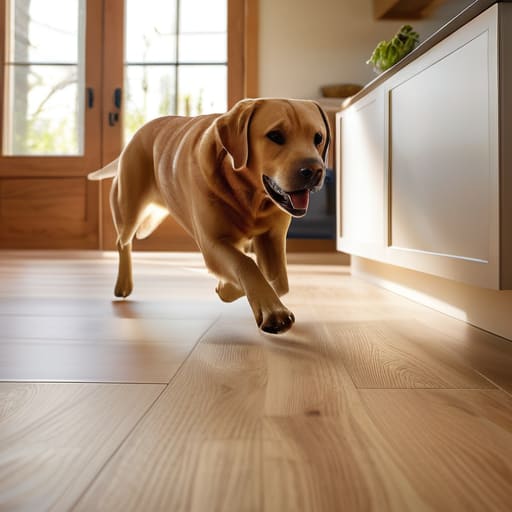
When it comes to what’s underfoot, I’ve learned the hard way that looks can be deceiving. You might fall in love with a plush, high-pile carpet, but if you have a dog that loves to zoom through the hallway, that carpet is going to become a magnet for hair and muddy paw prints. Instead, I always suggest looking into pet friendly flooring options like luxury vinyl plank (LVP) or laminate. These materials are wonderful because they mimic the look of real wood but are much tougher against claws. They offer the kind of scratch resistant materials for home use that can actually stand up to a heavy-footed Labrador without looking worn out after six months.
If you absolutely can’t live without a rug—and I certainly can’t—just make sure it’s something manageable. I prefer low-pile synthetic rugs that I can easily shake out or even toss in the wash if things get messy. Avoid anything too delicate or expensive; when you have pets, you want a floor that’s easy to mop up after a little accident without needing a professional cleaning crew on speed dial.
Five simple ways to keep the fur and mess under control
- Set up a “mudroom station” near your back door with a basket for leashes, a dedicated towel for muddy paws, and a small container of pet-safe wipes. It sounds small, but stopping the dirt at the door saves you from scrubbing the whole house every evening.
- Create a designated, tucked-away spot for food bowls and beds that isn’t right in the middle of a high-traffic walkway. If you can tuck their dining area into a corner or under a side table, you’ll avoid the constant tripping hazards and make cleanup much easier.
- Invest in a good quality, long-handled lint roller or a dedicated pet hair vacuum. I keep one in the living room and one in the bedroom; having them within arm’s reach means you can tackle a quick sweep of the sofa before guests arrive instead of letting the hair pile up.
- Use decorative storage bins and baskets to hide pet toys when they aren’t in use. It’s much easier to toss a handful of squeaky toys into a nice wicker basket than it is to constantly pick them up off the floor, and it keeps your living room looking tidy.
- Keep a small “pet emergency kit” in a kitchen drawer with things like extra treats, a spare collar, and some stain remover. When an accident happens—and we all know they do—you won’t be scrambling or panicking; you’ll have exactly what you need to handle it right then and there.
Quick Tips for a Pet-Friendly Home
Focus on materials that can take a beating, like performance fabrics and hard flooring, so you spend less time scrubbing and more time relaxing.
Think about the “mess zones” ahead of time by choosing easy-to-clean surfaces in the areas where your pets spend the most time.
You don’t have to sacrifice style for sanity; a few smart, durable choices can keep your house looking tidy even with fur and paws around.
## Making Room for Furry Family Members
“At the end of the day, your home shouldn’t feel like a museum where you’re constantly worrying about a stray hair or a muddy paw print; it should be a place where your pets feel welcome and you actually feel relaxed.”
Marion Kessler
Making Your House a Home for Everyone
At the end of the day, making a home pet-friendly isn’t about finding some magical, indestructible material that never sees a stray hair or a muddy paw print. It’s really about making a few sensible choices that work with your life rather than against it. By picking out fabrics that can actually handle a little scratching and choosing flooring that won’t make you scrub your hands for twenty minutes after every walk, you’re setting yourself up for success. You don’t need to spend a fortune on high-end designer pet gear; you just need to focus on durability and ease of cleaning so that the mess doesn’t become the boss of your living room.
I know it can feel a little overwhelming when you’re staring at a rug that’s seen better days or a sofa that’s starting to look a bit ragged, but please don’t let the pursuit of a “perfect” house get in the way of the joy your pets bring you. A home is meant to be lived in, loved, and occasionally even a little bit messy. The goal isn’t to create a museum that’s off-limits to your four-legged family members, but to build a space where everyone feels welcome. Take it one small swap at a time, and soon enough, you’ll have a home that feels calm, tidy, and perfectly suited for both you and your pets.
Frequently Asked Questions
How can I keep my home smelling fresh without using harsh chemicals that might bother my pets?
I know the struggle—you want a house that smells like a dream, not a chemistry lab. Since our furry friends have much more sensitive noses than we do, I steer clear of those heavy aerosol sprays. Instead, I keep a small jar of baking soda in the pantry to sprinkle on rugs before vacuuming, or I simmer a pot of water with a few cinnamon sticks and orange peels on the stove. It’s cheap, safe, and smells wonderful.
Are there any specific ways to protect my wooden furniture from scratches and chew marks?
I know exactly how it feels to see a fresh scratch on a piece of furniture you love. If you’ve got wooden pieces you want to save, start with clear silicone corner guards or even decorative slipcovers to block those “chew zones.” For the legs, a bit of clear furniture wax or a sturdy rug can do wonders. And if a scratch does happen, don’t panic—a little walnut or a matching touch-up marker usually does the trick.
What are some easy, low-cost ways to hide pet toys and beds so the living room doesn't always look cluttered?
I’ve learned the hard way that if pet toys are left out, they’ll stay out. My trick? Get a few pretty wicker baskets or even some sturdy fabric bins from the thrift store. You can tuck them on a bottom shelf or in a corner to hide the squeaky toys and chew bones. For beds, try a cozy corner nook or a stylish low crate; it keeps the floor clear and the room feeling much calmer.