
You don’t need a fancy, stone-decked oven or a degree from a culinary institute to figure out how to make homemade pizza that actually tastes good. For the longest time, I thought I had to spend a fortune on specialty flours and expensive gadgets just to get a decent crust, but that’s a total myth. Honestly, most of those gourmet recipes are just overcomplicating things to make them seem harder than they are. I learned the hard way, through plenty of doughy, undercooked disasters in my own kitchen, that the best pizza comes from simple ingredients and a little bit of patience, not a massive budget.
I’m not here to give you any of that high-brow, intimidating nonsense. Instead, I’m going to show you my tried-and-true method for making a delicious pie using stuff you probably already have in your pantry. I’ll walk you through the easy steps to get a crispy crust and perfect toppings without the stress or the mess. My goal is to help you master how to make homemade pizza so you can enjoy a restaurant-quality Friday night right at your own kitchen table, without breaking the bank.
Table of Contents
- Recipe Instructions
- Mastering the Best Pizza Dough Recipe and Fermentation Tips
- Simple Homemade Pizza Sauce Ingredients and Easy Toppings Ideas
- Five little tricks for a better crust and less mess
- Two Cents for a Better Pizza Night
- <h2>The Heart of the Matter</h2>
- A Little Pizza Wisdom to Take Away
- Frequently Asked Questions
Recipe Details
Ingredients
- 2 cups all-purpose flour
- 1 teaspoon instant yeast
- 3/4 cup warm water
- 1 teaspoon salt
- 1/2 cup tomato sauce
- 1.5 cups shredded mozzarella cheese
- 1/4 cup sliced pepperoni
Recipe Instructions
Step 1
First things first, you’ve got to get your dough moving. If you’re using a store-bought ball of dough, let it sit on the counter for about 30 minutes to take the chill off; if you’re making it from scratch, mix your flour, yeast, water, and a pinch of salt in a big bowl. I always say, don’t rush the rising process, because a dough that hasn’t had time to breathe will just give you a heavy, dense crust.
Step 2
Once your dough is soft and ready, it’s time to shape it. Clear off a bit of counter space and sprinkle some flour down so nothing sticks. Instead of using a heavy rolling pin which can squash all those lovely air bubbles out, I prefer using my hands to gently stretch the dough from the center outward. If it keeps snapping back like a rubber band, just walk away for five minutes and let it relax.
Step 3
Now, let’s talk toppings, and this is where you can really save a few dollars. Grab a ladle of your favorite sauce—nothing fancy, just a good, simple tomato sauce—and spread it thin, leaving a little border for the crust. When it comes to cheese, I always reach for a block of low-moisture mozzarella and grate it myself. It melts so much better than that pre-shredded stuff in the bags, which is coated in potato starch to keep it from clumping.
Step 4
Get your oven as hot as it will go. Most home ovens hit around 475°F or 500°F, and you want that heat working for you. If you have a baking stone, get it in there while the oven preheats, but if not, a plain old heavy baking sheet works just fine. Slide your pizza onto the hot surface and keep a close eye on it; you’re looking for a crust that is golden brown and slightly crisp on the edges.
Step 5
The hardest part is waiting for it to cool just a minute or two before you slice it. If you cut into it the second it comes out, all that delicious cheese and sauce will just slide right off the crust. Grab a cutting board, a decent knife, and maybe a little dried oregano to sprinkle on top if you’re feeling fancy. Now, sit down and enjoy—you earned it.
Mastering the Best Pizza Dough Recipe and Fermentation Tips
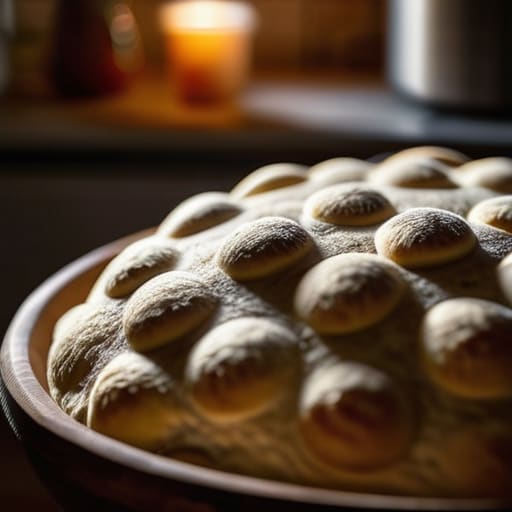
Now, if you want to really level up, you have to talk about the dough. I’ve learned over the years that the secret to the best pizza dough recipe isn’t some fancy imported flour; it’s actually just patience. Most people want to bake right away, but if you can manage a little bit of time, you’ll see a massive difference. I always suggest letting your dough rise in the fridge overnight if you can. These little yeast dough fermentation tips might seem like extra work, but a slow rise develops a much deeper flavor and a better texture that you just can’t rush.
When it comes to the actual bake, remember that most home kitchens aren’t professional pizza ovens. To get those crispy pizza crust techniques working in a standard kitchen, try preheating your baking sheet or pizza stone for at least thirty minutes. You want that surface screaming hot before the dough even touches it. It makes all the difference between a soggy middle and a crust that actually has some soul and crunch.
Simple Homemade Pizza Sauce Ingredients and Easy Toppings Ideas
Now, let’s talk about what goes on top of that dough. When it comes to the homemade pizza sauce ingredients, my best advice is to keep it simple. You don’t need a pantry full of exotic spices; a good quality canned crushed tomato, a pinch of dried oregano, a little garlic powder, and a tiny bit of salt will do more for you than any store-bought jar ever could. If you’re in a real hurry, you can even use a high-quality marinara you already have in the fridge, but there’s something so much more satisfying about simmering your own for ten minutes just to get that fresh, bright flavor.
Once your sauce is ready, the fun part begins with the toppings. I always tell my neighbors that the secret to a great slice is not overloading the pie. If you pile on too much meat or heavy veggies, you’ll end up with a soggy middle, which is the enemy of any good crust. For some easy pizza toppings ideas, try a classic pepperoni with a drizzle of honey, or go the veggie route with thin-sliced bell peppers and red onions. Just remember to slice everything thin so it cooks through properly while you’re baking.
Five little tricks for a better crust and less mess
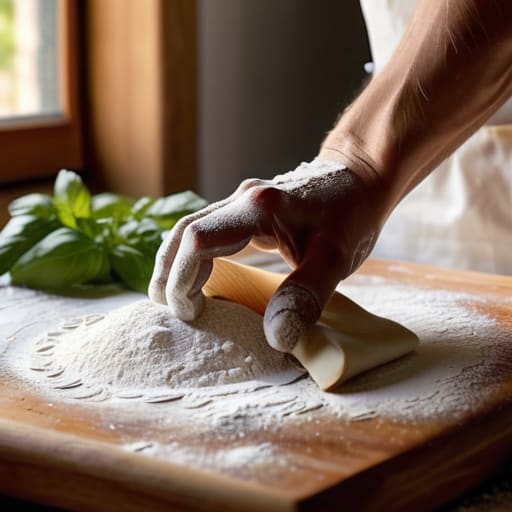
- Don’t be afraid to use a little extra flour on your counter. If the dough feels tacky or sticks to your hands while you’re shaping it, just sprinkle a bit more on. It’s much better to have a slightly floury crust than a sticky, unmanageable mess that ruins your mood.
- Crank that oven up as high as it’ll go. Most home ovens don’t get as hot as those big pizza ovens in restaurants, so you want to give your dough every bit of heat it can get. Preheating for at least thirty minutes is non-negotiable if you want a crisp bottom instead of a soggy one.
- Less is always more when it comes to toppings. I know it’s tempting to pile on the pepperoni and veggies, but too much weight will weigh down your dough and prevent it from rising properly. Keep it light so the crust can actually do its job.
- If you have the time, let your dough rest. Even if you aren’t doing a long fermentation, letting the dough sit on the counter for twenty minutes before stretching it makes a world of difference. It relaxes the gluten so the dough doesn’t just snap back like a rubber band when you try to shape it.
- Use a pizza stone or even just an upside-down baking sheet if you don’t have a fancy stone. Getting that direct heat from a heavy surface helps mimic a professional oven and gives you that golden-brown crunch we’re all after.
Two Cents for a Better Pizza Night
Don’t let the dough intimidate you—it’s really just about patience and giving that yeast enough time to do its thing.
Keep your toppings simple so you don’t end up with a soggy middle; a little bit of high-quality cheese goes a lot further than a mountain of the cheap stuff.
Use what you have in the pantry to save a few bucks, because a great pizza is more about the technique than buying expensive, specialty ingredients.
<h2>The Heart of the Matter</h2>
“At the end of the day, a good pizza isn’t about having a fancy stone oven or expensive imported cheeses; it’s about the patience you put into that dough and the joy of seeing your family reach for a second slice.”
Marion Kessler
A Little Pizza Wisdom to Take Away

At the end of the day, making your own pizza isn’t about achieving some professional chef standard or owning a fancy wood-fired oven. It’s really just about getting the basics right: a dough that’s had enough time to rise, a sauce that tastes like real tomatoes instead of sugar, and toppings that you actually enjoy. Once you stop worrying about making it “perfect” and start focusing on the quality of your ingredients, you’ll find that even the simplest cheese pizza can taste better than anything delivered to your door. Remember, the secret is in the patience you give the dough and the simple, honest flavors you choose to put on top.
I know that on a busy Tuesday night, the idea of kneading dough might feel like just one more chore on an endless to-do list. But I promise you, there is something so deeply satisfying about slowing down and creating something from scratch with your own two hands. It turns a quick dinner into a real moment of connection for your family. So, don’t be afraid to get a little flour on your apron and make a mess. Making pizza at home is about more than just saving a few bucks; it’s about the quiet joy of a home-cooked meal and the confidence that comes from knowing exactly what’s going on your table.
Frequently Asked Questions
My dough isn't rising like it should—did I kill the yeast or is my kitchen just too cold?
Don’t panic—it happens to the best of us. It’s usually one of two things. First, if you used water that was too hot (over 110°F), you likely scalded the yeast, and it’s unfortunately dead. If the water felt just lukewarm, then your kitchen is probably just too chilly. Try moving your bowl to a slightly warmer spot, like inside a turned-off oven with the light on. Patience is key here!
Can I make the dough a few days ahead of time, or does it have to be fresh?
You absolutely can make it ahead of time, and honestly, it might even taste better. If you aren’t ready to bake right away, just pop that dough in the fridge. It’ll sit there happily for two or three days. The slow, cold ferment actually develops a much deeper flavor than dough made and used immediately. Just remember to take it out about an hour before you’re ready to stretch it so it can come back to room temperature.
What's the best way to get that crispy, restaurant-style crust when I'm just using a regular home oven?
That’s the million-dollar question, isn’t it? Since we aren’t all sitting in front of a thousand-degree wood-fired oven, you have to work a little smarter. My best trick is using a pizza stone or even a heavy baking sheet, but here’s the real secret: preheat your oven as high as it goes, and put that stone inside while it heats up. It gives the dough that immediate, intense heat it craves.