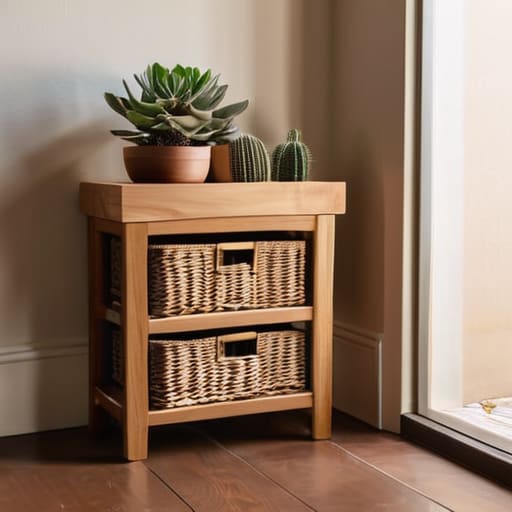
I used to think that if I just bought one of those expensive, built-in mudroom systems I saw in the glossy magazines, my life would suddenly feel put together. But let me tell you, after years of raising kids on a single income in the Midwest, I learned that those fancy, custom-fitted cabinets are usually just expensive ways to hide clutter for a week before the chaos returns. You don’t need a contractor or a massive renovation budget to learn how to organize your entryway; you just need a plan that actually works for a real, messy, living household.
I’m not here to sell you on some high-end aesthetic that requires a professional organizer to maintain. Instead, I want to share the practical, low-cost methods I’ve used to keep my own front door from becoming a graveyard for stray shoes and crumpled school permission slips. I’ll show you how to use simple tools—like a sturdy basket or a few well-placed hooks—to create a system that actually sticks. We’re going to tackle this with common sense, one small step at a time.
Table of Contents
- Smart Coat Rack and Hook Placement for Faster Mornings
- Effective Shoe Storage Solutions for Foyers and Small Hallways
- Five More Ways to Keep the Chaos from Spilling into Your Living Room
- Making the Changes Stick
- The Heart of the Home’s First Impression
- Bringing It All Together
- Frequently Asked Questions
Smart Coat Rack and Hook Placement for Faster Mornings
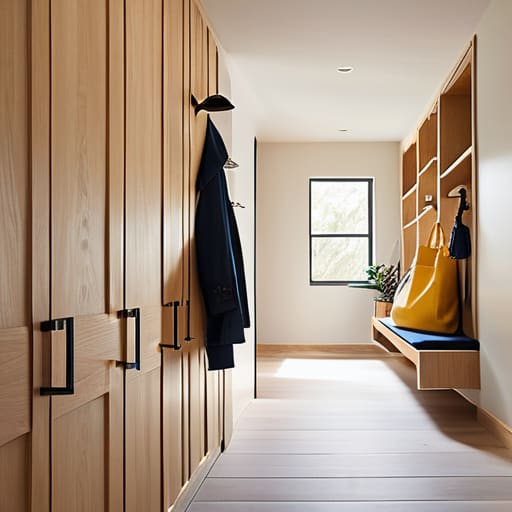
When it comes to coat rack and hook placement, I’ve learned the hard way that if you put them too high or too far from the door, they simply won’t be used. I used to hang everything on the back of the bedroom door because the hallway was too cluttered, but that just added to my morning scramble. Instead, try installing a row of sturdy hooks at varying heights. Put the higher ones for adult jackets and the lower ones specifically for the kids’ backpacks or smaller coats. This simple bit of entryway decor and functionality ensures that everything has a “home” that is actually within reach when you’re halfway out the door with a piece of toast in your hand.
I’m a big believer in keeping things streamlined, especially if you’re looking for entryway furniture for small spaces. If you don’t have room for a bulky coat closet, a slim wall-mounted rack is your best friend. Keep it simple: only hang what you actually use during the current season. If it’s July, those heavy winter parkas shouldn’t be taking up prime real estate near the door; tuck them away in a bin upstairs so your entryway stays breathable and easy to navigate.
Effective Shoe Storage Solutions for Foyers and Small Hallways
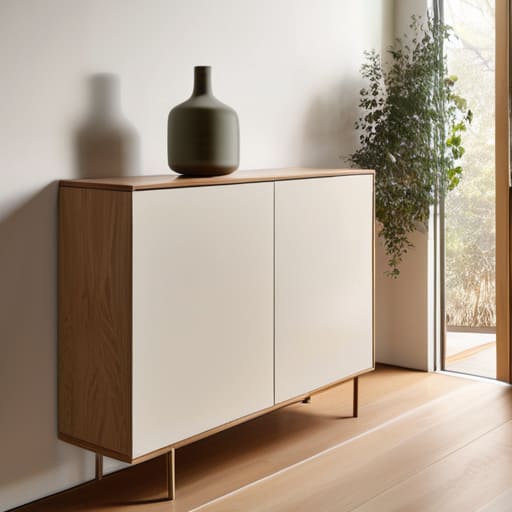
Now, let’s talk about the real culprit of entryway chaos: the shoe pile. We’ve all been there, tripping over a stray sneaker or a muddy boot right as we’re trying to head out the door. If you’re working with a tight footprint, you don’t need a massive mudroom; you just need some clever shoe storage solutions for foyers that don’t eat up your floor space. I’ve found that slim, tilting shoe cabinets are a total lifesaver. They tuck away neatly against the wall, keeping the visual clutter hidden while holding several pairs of shoes in a very narrow profile.
If you’re dealing with an even smaller hallway, don’t be afraid to think vertically. A simple wooden bench with built-in cubbies underneath is a classic for a reason—it gives you a place to sit and lace up, while keeping the floor clear. For those of us living in smaller apartments, looking for specific entryway furniture for small spaces like tiered racks or even hanging organizers can make a world of difference. The goal isn’t to have a showroom; it’s to make sure every pair has a dedicated home so they aren’t wandering the house.
Five More Ways to Keep the Chaos from Spilling into Your Living Room
- Set up a “Command Center” for the small stuff. I learned the hard way that if there isn’t a specific spot for keys, sunglasses, and that one random library card, they’ll end up lost in the couch cushions by Tuesday. A small tray or a wall-mounted mail organizer keeps the essentials right where you can see them.
- Get a dedicated basket for “outbound” items. We all have that pile of things that need to go back to the library, the dry cleaners, or a neighbor’s house. Keeping a basket right by the door means you actually grab those items when you’re heading out, instead of forgetting them and letting the pile grow.
- Don’t forget the “Drop Zone” for bags. Whether it’s a heavy work backpack or a flimsy reusable grocery bag, things tend to clump together on the floor. A couple of sturdy, low-profile bins or even just a dedicated shelf can stop the “bag mountain” from forming near your feet.
- Use a small rug to define the space and catch the mess. A heavy-duty, easy-to-clean mat does more than just look nice; it keeps the grit and dirt from your shoes from being tracked through the rest of your house. It’s a small way to save yourself a lot of extra mopping later.
- Keep a “Quick-Grab” kit nearby. I keep a small container near the door with things like extra masks, a lint roller, or even a spare umbrella. It sounds simple, but having those little things right at the exit saves you from that frantic, last-minute scramble when you’re already five minutes late.
Making the Changes Stick
Don’t try to overhaul the whole house in one Saturday; just start by giving your keys and mail a permanent “home” so they stop wandering around the kitchen counter.
Think about how your family actually moves through the door—if the kids can’t reach the hooks, they won’t use them, so keep the storage practical for the people living there.
Keep your entryway tools simple and affordable, like a sturdy basket or a few extra command hooks, rather than buying expensive furniture that doesn’t actually solve your clutter problem.
The Heart of the Home’s First Impression
“Your entryway shouldn’t be a dumping ground for the day’s chaos; it should be the place that tells you, the moment you walk through the door, that you can finally leave the outside world behind and just breathe.”
Marion Kessler
Bringing It All Together
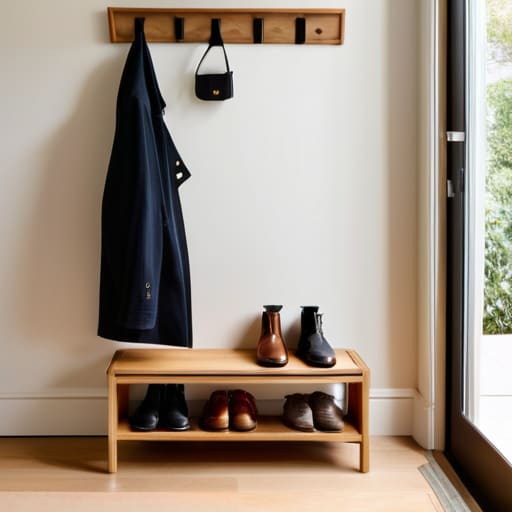
At the end of the day, organizing your entryway isn’t about having a picture-perfect home you see in a glossy magazine; it’s about making sure your morning routine doesn’t feel like a wrestling match with your own belongings. By getting those hooks in the right spots and finding a dedicated home for every pair of shoes, you’re doing more than just clearing floor space—you’re reclaiming your peace of mind. When you can grab your keys and slip into your boots without a frantic search, you’ve already won half the battle before you even step out the door. It’s those small, functional changes that turn a chaotic pile of clutter into a streamlined transition zone.
I know that when you’re staring at a mountain of coats and mismatched sneakers, it can feel overwhelming to even know where to start. But please remember, you don’t have to do it all in one afternoon. Start with one basket or one extra hook, and let the rest follow as you find what works for your family. A tidy entryway is a gift you give to your future self, ensuring that when you walk through that door after a long, tiring day, you’re met with calm instead of chaos. You’ve got this, and I promise, it’s worth the effort.
Frequently Asked Questions
I don't have much room for a big bench or a console table; what can I do if my entryway is just a tiny, narrow hallway?
If you’re working with a narrow hallway, forget about bulky furniture; it’ll just trip you up. Instead, think vertically. A slim, wall-mounted key rack or a few sturdy hooks can do the heavy lifting without eating up your floor space. I also swear by those thin, floating shelves. They give you a spot for your mail or sunglasses without the footprint of a whole console table. Keep it light, keep it off the floor, and you’ll breathe easier.
How do I keep the "clutter magnet" effect from taking over, where mail and keys start piling up on the floor no matter what I do?
I call that the “drop zone” trap, and I’ve been there more times than I’d like to admit. The trick is to give those items a specific, easy home so they don’t just land on the floor. Get a small, attractive basket for the mail and a dedicated little tray or a heavy hook right by the door for your keys. If it’s easy to put away, you’ll actually do it.
What’s the best way to organize things for kids so they actually help keep the area tidy instead of just making a mess?
The trick is to stop expecting them to manage things like adults. If a hook is too high or a bin is too heavy, they just won’t do it. I like to use low-level cubbies or colorful baskets—one for backpacks, one for shoes—so it’s a simple “drop and go” task. When everything has a specific, easy-to-reach home, they’re much more likely to actually use it instead of just leaving a trail of chaos.