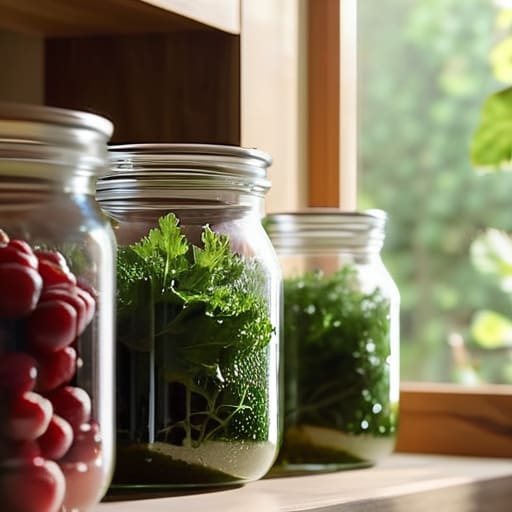
I still remember the look on my face ten years ago when I pulled a bag of slimy, greyish spinach out of the crisper drawer—the same bag I’d bought just three days prior. It felt like I was literally throwing my hard-earned money straight into the kitchen trash can. We’ve been told all these fancy, expensive lies about needing specialized vacuum sealers or high-tech gadgetry to keep things fresh, but let me tell you: you don’t need a second mortgage to learn how to store food properly. Most of the time, you just need a little bit of common sense and a few habits that actually work in a busy, real-world kitchen.
I’m not here to sell you on any overpriced plastic bins or complicated systems that take an hour to set up. Instead, I’m going to share the straight-talk methods I’ve used to keep my family fed and my grocery budget intact for decades. We’re going to walk through the simple, practical ways to organize your fridge and pantry so your food actually lasts as long as it’s supposed to. I promise to give you the no-nonsense truth on what works, so you can stop wasting money and start feeling in control of your kitchen again.
Table of Contents
Mastering Refrigerator Temperature Settings for Longevity
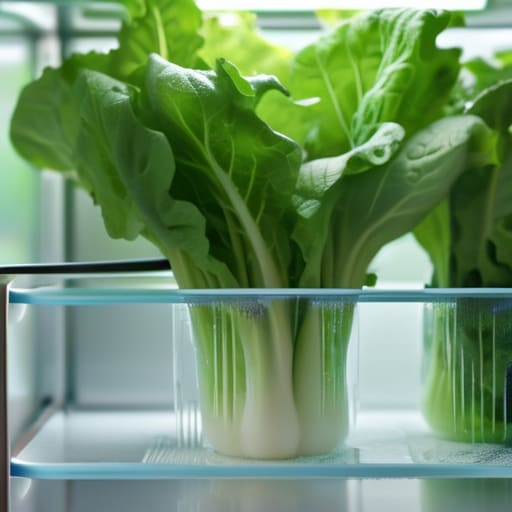
I used to think that as long as my fridge was humming, everything was fine. But I learned the hard way that a fridge that’s just “running” isn’t necessarily keeping your milk from turning sour by Wednesday. Most people don’t realize that refrigerator temperature settings are the real unsung heroes of a budget-friendly kitchen. You want your fridge sitting right around 37°F (3°C). If it’s too warm, you’re basically inviting bacteria to a party, and if it’s too cold, you might actually freeze your delicate greens.
I always keep a cheap little thermometer tucked in the back corner, right near the middle shelf, just to be sure. It’s one of those small habits that makes a massive difference in preventing food spoilage before it even starts. When you get the temperature dialed in correctly, you’ll notice your leftovers stay fresh for a day or two longer, which means less money tossed in the trash at the end of the week. It’s not fancy, but it’s common sense that saves you real dollars.
Airtight Container Benefits to Stop Premature Spoilage
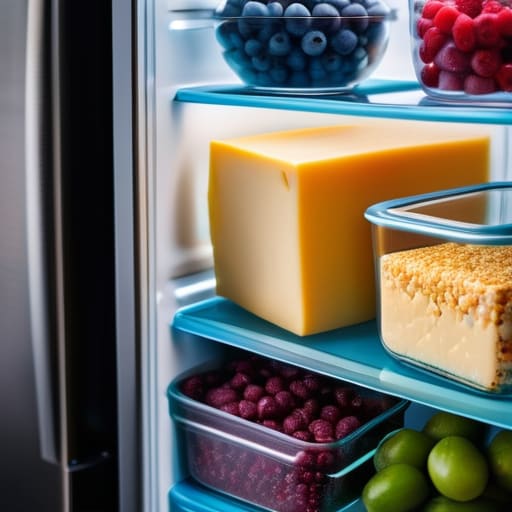
If you’re still leaving half-eaten leftovers in those flimsy plastic wrap bundles or, heaven forbid, just leaving an open bowl of soup in the fridge, you are essentially throwing cash directly into the trash. I learned the hard way that air is the enemy of freshness. When oxygen gets to your food, it speeds up the decay process and dries everything out. Investing in a decent set of glass or high-quality plastic containers isn’t just about making your fridge look pretty; the real airtight container benefits come down to extending the shelf life of common groceries like berries, sliced cheese, and cooked grains.
Beyond the fridge, these containers are your best friend for preventing food spoilage in the pantry too. I always tell my neighbors that a sealed container is a shield against stale crackers and weevils. And don’t even get me started on the freezer. If you aren’t using heavy-duty, sealable bags or containers, you’re going to deal with nasty ice crystals. Proper freezer burn prevention is the difference between a delicious meal and something that tastes like cardboard.
Five Simple Habits to Keep Your Food from Going Bad
- Don’t let your produce sit in those plastic grocery bags; most fruits and veggies need to breathe, so I always pull them out and tuck them into the crisper drawer or a mesh bag so they don’t get slimy.
- Treat your herbs like a fresh bouquet of flowers by trimming the stems and keeping them in a jar of water in the fridge—it’ll save you from tossing a handful of wilted cilantro every single week.
- Keep your potatoes and onions in separate dark cupboards, because if you store them together, the gases they release will make each other spoil way faster than they should.
- Learn the “First In, First Out” rule I used back when I was feeding two hungry kids; always move the older yogurt or milk to the front of the shelf so you actually use it before it hits that expiration date.
- Stop washing your berries right before you put them away; moisture is the enemy of freshness, so wait until you’re actually ready to eat them, or you’ll find a moldy mess by Tuesday.
Quick Wins for a Fresher Fridge
Stop letting your produce wilt by separating the “gas producers” like apples and onions from your leafy greens.
Invest in a few good glass or BPA-free containers instead of relying on flimsy plastic wrap that lets air in and spoils food faster.
Get into the habit of a quick “fridge audit” every Sunday before you start your batch cooking so you actually use what you already have.
## The Real Cost of a Forgotten Bag of Spinach
“Every time we toss a wilted head of lettuce or a fuzzy container of berries, we aren’t just throwing away food; we’re throwing away the hard-earned hours we spent working to pay for it. Proper storage isn’t about being perfect or having a fancy kitchen—it’s about respecting your budget and making sure every dollar you spend at the grocery store actually makes it onto your dinner plate.”
Marion Kessler
Small Changes, Big Savings
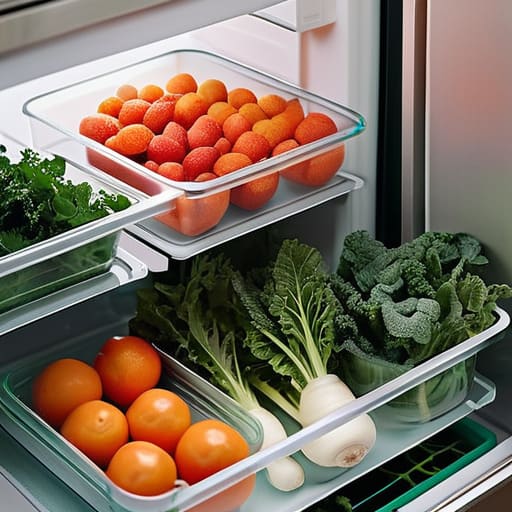
At the end of the day, keeping your food fresh isn’t about having a professional-grade kitchen or those fancy, color-coded gadget sets you see on TV. It really comes down to a few simple, consistent habits: keeping an eye on your fridge temperature, investing in a decent set of airtight containers, and actually taking five minutes to tuck your produce away properly instead of just shoving it in the crisper drawer. When you stop treating your groceries like an afterthought and start treating them like the hard-earned money they are, you’ll notice a massive difference in your weekly budget. It’s about making sure that every single dollar you spend at the checkout counter actually ends up on your dinner plate rather than sliding straight into the trash can.
I know it can feel like just one more thing to manage when life is already hectic, but I promise you, it’s worth the effort. There is a certain kind of quiet peace that comes from opening a tidy, organized fridge and knowing that what’s inside is actually good to eat. It takes the guesswork out of mealtime and takes the sting out of your grocery bill. Start small—maybe just pick one thing, like organizing your leftovers tonight—and build from there. You don’t have to be perfect; you just have to be a little bit more intentional. You’ve got this, and your wallet will certainly thank you for it.
Frequently Asked Questions
Do I really need to buy those expensive specialized containers, or will old glass jars and plastic tubs from my pantry work just as well?
Oh, goodness, no. Please don’t go spending your hard-earned money on those fancy, matching sets you see in the glossy magazines. I’ve got a cabinet full of mismatched glass jars from old pasta sauce and pickles, and they work just as well as anything expensive. The real secret isn’t the brand name; it’s just making sure the seal is tight. If it keeps the air out, it’ll keep your food fresh.
Should I be washing my fruits and vegetables right after I get home from the store, or does that just make them go mushy faster?
That’s a great question, and honestly, it’s one I used to struggle with. My rule of thumb? Wait until you’re actually ready to eat them. Washing produce right away introduces moisture, and moisture is the enemy of freshness—it’s what turns those nice berries mushy and makes your greens slimy. Keep them dry in the crisper drawer, and only give them a good rinse right before they hit your plate.
Is there a specific spot in the fridge where things actually stay fresh longer, or does it all end up in the same place regardless?
Oh, there is definitely a difference! I used to just shove everything in wherever it fit, but I learned the hard way that your fridge isn’t one big, even temperature zone. The door is the warmest spot—keep your condiments there. The bottom shelf is the coldest and most stable, which is perfect for meat and dairy. And those crisper drawers? They’re actually designed to control humidity, so use them for your produce!