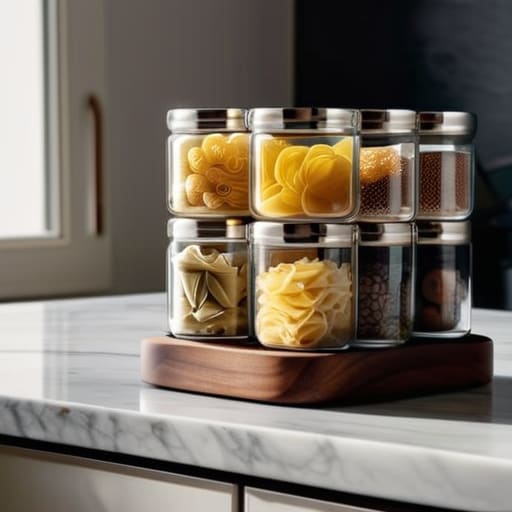
I used to spend way too much time scrolling through those glossy home magazines, thinking I needed a complete kitchen remodel and a set of matching, color-coded acrylic bins just to feel like I had my life together. Honestly, most of those expensive kitchen organization ideas you see online are just eye candy designed to make you spend money you don’t have. I learned the hard way, while trying to prep a Tuesday night dinner with two hungry kids trailing behind me, that a pretty pantry doesn’t mean a thing if you can’t actually find the cumin when you need it.
I’m not here to sell you a lifestyle or a brand of overpriced containers. Instead, I want to share the real, gritty ways I’ve learned to make a small kitchen actually work for a busy family. I’m going to walk you through some practical, low-cost kitchen organization ideas that focus on how we actually live—not how we look on social media. We’re going to talk about grouping things by how you use them, clearing out the clutter that’s just taking up space, and setting up a system that actually sticks when life gets messy.
Table of Contents
Smart Pantry Organization Hacks to Stop Food Waste
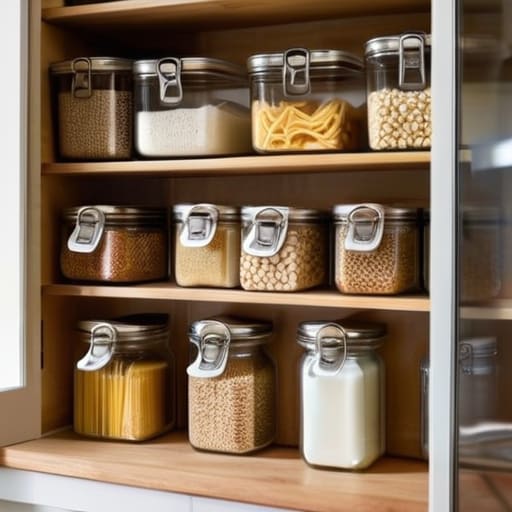
Now, let’s talk about the pantry, because if you’re anything like me, this is where money goes to die. I used to have these half-opened bags of flour and pasta hiding in the dark corners of my cabinets, only to find them months later, stale or—even worse—expired. One of my favorite pantry organization hacks is to stop buying things just because they’re on sale and start looking at what you actually have. I keep a little list on the inside of my pantry door so I can see my stock at a glance. If I see I’ve got three cans of chickpeas, I’m not adding a fourth to the grocery list.
To keep things from getting messy again, I swear by using clear, airtight containers for your staples. It might seem like an extra step, but it keeps everything fresh and lets you see exactly when you’re running low. If you’re working with tight quarters, look into small kitchen storage solutions like tiered spice racks or over-the-door organizers. These little shifts help you see every single item you own, which means you’ll stop buying duplicates and start saving real money every time you shop.
Small Kitchen Storage Solutions for Cramped Spaces
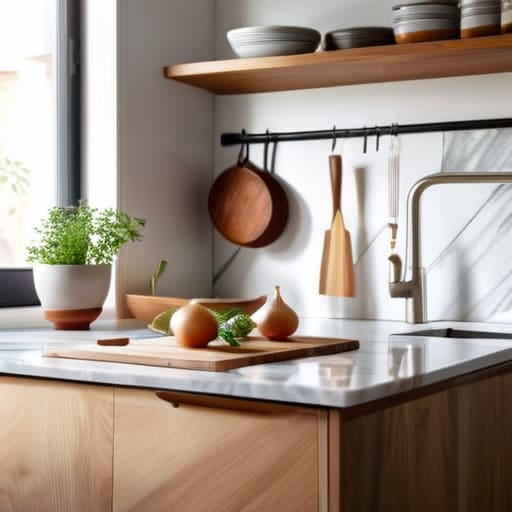
If you’re working with a tiny kitchen, you quickly learn that every square inch is prime real estate. When you don’t have the luxury of sprawling countertops, you have to start looking up. I’ve found that installing a few sturdy shelves above the door or even using the space above your cabinets for lightweight items can make a world of difference. It’s all about maximizing countertop space so you actually have room to chop an onion without feeling like you’re going to knock over the toaster.
Don’t forget about those “dead” spaces, too—like the narrow gap between the fridge and the wall or the inside of your cabinet doors. I love using adhesive hooks or small magnetic strips to hang measuring spoons or even lightweight lids. And if your silverware is a constant jumble, investing in some simple kitchen drawer dividers is a total game-changer. It keeps everything in its place so you aren’t digging through a metal mess every time you need a teaspoon. It’s these little, inexpensive shifts that turn a cramped cooking area into a space that actually feels manageable.
Five Simple Ways to Keep Your Kitchen from Getting Away From You
- Stop the “junk drawer” cycle by giving every single thing a home. If you find yourself constantly digging for a spatula or a pair of scissors, it’s because they don’t have a designated spot. Grab a few small dividers or even some old Tupperware to corral the loose bits, and if you haven’t used a gadget in a year, it’s time to let it go.
- Use your vertical space before you lose your mind. When my counters get cluttered, I feel like I can’t even breathe, let alone cook. Get a few magnetic knife strips or even some simple command hooks to hang your most-used utensils and measuring cups. Getting those items off the counter and onto the wall makes a world of difference for your sanity.
- Group your items by how you actually use them, not just by what they are. I like to keep my “coffee station” all in one corner—mugs, sugar, and spoons all within arm’s reach. It’s the same with my baking stuff. When you group things by activity, you spend less time hunting and more time actually doing.
- Don’t ignore your Tupperware cabinet. We’ve all been there, staring at a mountain of mismatched plastic bins and lonely lids. My rule is simple: if a container doesn’t have a lid, or a lid doesn’t have a container, it goes in the donate bin. Clear out the orphans so you aren’t fighting a plastic landslide every time you want leftovers.
- Keep your most-used spices at eye level. There is nothing more frustrating than being halfway through a recipe only to realize your garlic powder is buried in the very back of the cabinet. I like to use a tiered organizer or just keep my “daily drivers” right at the front so I’m not playing Tetris every time I want to season a chicken breast.
A Few Things to Remember Before You Start
Don’t go buying expensive, matching plastic bins right away; use what you have first, or check the thrift store, because the goal is organization, not a showroom.
Focus on the “prime real estate” first—the things you reach for every single morning—and keep those at eye level so you aren’t digging through cupboards while you’re half-asleep.
Remember that a tidy kitchen isn’t about being perfect; it’s just about making sure you can find your spatula without a scavenger hunt so you can actually enjoy making dinner.
## A Little Less Clutter, A Little More Peace
“A tidy kitchen isn’t about having every gadget in its perfect place like a magazine spread; it’s about making sure you can actually find the salt when you’re halfway through a recipe and not feeling like you’re fighting your own cupboards just to make dinner.”
Marion Kessler
Making It Stick
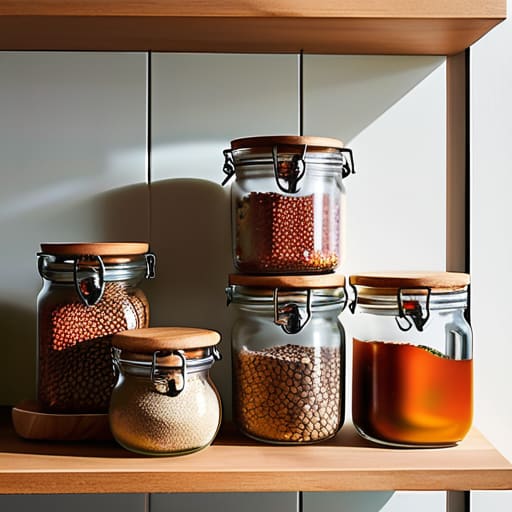
At the end of the day, organizing your kitchen isn’t about having a magazine-perfect showroom or buying a dozen expensive plastic bins. It’s about making sure you can actually find the salt when you’re halfway through a recipe, or knowing exactly what’s in your pantry so you don’t buy a third jar of cumin by mistake. Whether you’ve focused on streamlining your pantry to cut down on food waste or found clever ways to tuck storage into those tight corners, the goal is the same: reducing the daily friction that makes cooking feel like a chore. Remember, a little bit of order goes a long way in saving both your money and your sanity.
Don’t feel like you have to tackle the whole kitchen in one weekend. I know from experience that trying to do too much at once just leads to a messy house and a lot of frustration. Just pick one drawer, one shelf, or one corner this week and do it right. These small, steady wins are what build a home that actually works for you, rather than you working for your home. You’ve got this, and I promise that once you find your rhythm, your kitchen will finally feel like the heart of your home again.
Frequently Asked Questions
How do I decide which kitchen gadgets are actually worth keeping and which ones are just taking up precious counter space?
I call this the “One-Year Rule.” If you haven’t reached for that specialized avocado slicer or bread maker in the last twelve months, it’s just expensive clutter. I used to hold onto everything, thinking I’d eventually use it, but those gadgets were just stealing my peace of mind. Ask yourself: Can I do this job with a knife or a whisk I already own? If the answer is yes, let it go.
What’s the best way to organize a kitchen if I have a really tight budget and can't afford fancy new bins or shelving?
Honestly, you don’t need those expensive, clear acrylic bins from the big-box stores to get organized. I’ve always found that the best tools are already in your recycling bin. Empty pasta sauce jars or even sturdy shoe boxes can become perfect organizers for tea bags, spice packets, or junk drawer clutter. Just grab some masking tape and a marker to label them. It’s not “aesthetic,” but it works, and it costs absolutely nothing.
How often should I actually go through my pantry and cabinets to make sure everything stays organized and nothing expires?
I like to do a quick “eye-check” every Sunday while I’m planning my weekly meals—just to see if anything is getting low or looking a bit dusty. But for a real, deep-dive cleanout? I aim for once every three months. It’s easiest to tie it to the changing seasons. Grab a notepad, toss anything expired, and wipe down the shelves. It keeps the chaos from creeping back in.