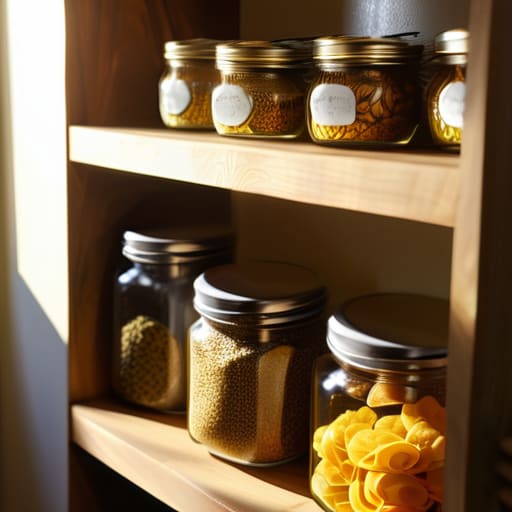
We’ve all been there: it’s 5:30 PM, the kids are hungry, you’re exhausted from work, and you open the cupboard only to realize you have absolutely nothing to make dinner. It’s that sinking feeling in your stomach when a simple recipe turns into a frantic, expensive trip to the grocery store because you’re missing one crucial ingredient. Over the years, I’ve learned that the secret to avoiding that stress—and keeping your budget from spiraling—isn’t about having a gourmet kitchen, but about knowing exactly which pantry staples to always have tucked away in the back of the shelf.
I don’t believe in cluttering your cabinets with fancy spices you’ll use once and forget about. Instead, I want to share my personal “shortlist” of the five heavy-hitters that have saved my sanity (and my wallet) more times than I can count. These aren’t just random items; they are the foundational building blocks that turn a handful of random ingredients into a real, nourishing meal. By the time you finish reading this, you’ll know exactly how to build a smarter, more reliable pantry that works for you, not against you.
Table of Contents
- The Versatile Workhorse: Dried Pasta
- The Flavor Lifesaver: Canned Tomatoes
- The Protein Powerhouse: Dried Beans and Lentils
- The Golden Standard: Extra Virgin Olive Oil
- The Pantry Foundation: Long-Grain Rice
- Making It Work for You
- A Little Peace of Mind in a Jar
- Making it Work for You
- Frequently Asked Questions
The Versatile Workhorse: Dried Pasta
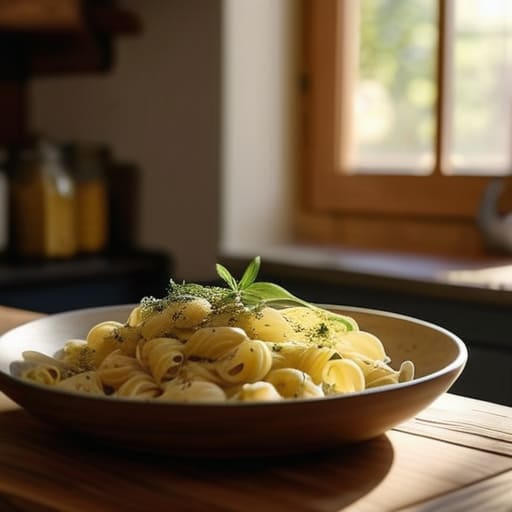
I remember those Tuesday nights when the kids were hungry, the laundry was piling up, and the last thing I wanted to do was follow a complex recipe. That’s when a box of dried pasta became my absolute best friend. It’s cheap, it lasts forever in the cupboard, and it’s the ultimate safety net for a busy parent. Whether it’s a simple butter and garlic toss or a hearty meat sauce, pasta always hits the spot.
The Flavor Lifesaver: Canned Tomatoes
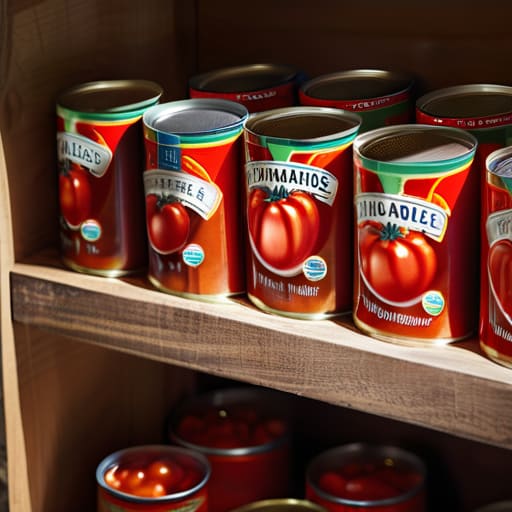
If there is one thing I’ve learned from years of stretching a grocery budget, it’s that you can never have too many cans of tomatoes. I keep a variety of diced, crushed, and whole peeled tomatoes tucked away in the back of the pantry. They are the backbone of so many of my go-to dinners, from quick chili to a simple tomato soup on a rainy afternoon.
The Protein Powerhouse: Dried Beans and Lentils
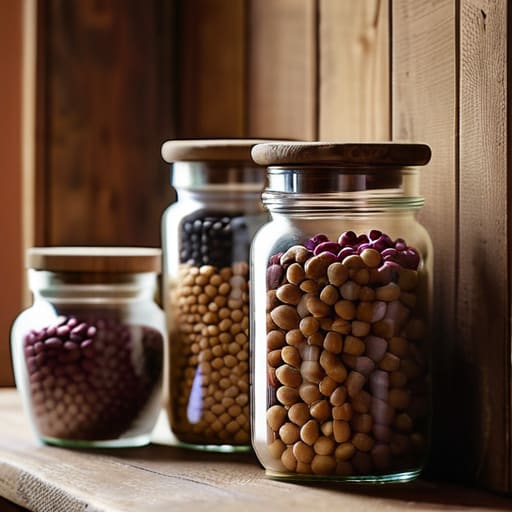
Back when I was raising my two on a single income, dried beans were a total lifesaver for our bank account. They are incredibly inexpensive, and they stay good in the pantry for months on end. While I do use canned beans when I’m in a real rush, there is something so much more satisfying about cooking up a big batch of dried lentils or chickpeas from scratch.
The Golden Standard: Extra Virgin Olive Oil
Now, I know some people say you shouldn’t spend too much on pantry items, but I disagree when it comes to a good olive oil. It is the single most important ingredient for adding flavor to almost anything, from sautéed vegetables to a simple drizzle over toast. I treat my olive oil as an investment in the quality of my home cooking.
The Pantry Foundation: Long-Grain Rice
Rice is one of those things that I think every household should have a surplus of. It’s incredibly filling, it’s easy to cook, and it pairs with just about everything else on this list. Whether I’m making a quick stir-fry or serving it alongside a piece of roasted chicken, rice is the reliable filler that ensures no one goes to bed hungry.
Making It Work for You
Don’t feel like you have to buy everything at once; just pick one or two items from this list each time you shop until your cupboards feel solid.
Always check your unit prices in that little notebook of mine—a big bag isn’t always a bargain if you end up throwing half of it away.
Use what you have before you buy more, because a pantry is only as useful as the meals you can actually pull together with what’s on hand.
A Little Peace of Mind in a Jar
“Having a few reliable basics tucked away in your cupboard isn’t about being fancy; it’s about that quiet sense of relief you feel on a Tuesday night when you realize you don’t have to spend extra money or extra energy just to put a decent meal on the table.”
Marion Kessler
Making it Work for You
At the end of the day, building a solid pantry isn’t about having a kitchen that looks like a magazine spread; it’s about having the right tools to handle a Tuesday night when you’re exhausted and the kids are hungry. By keeping those grains, canned goods, oils, and seasonings tucked away in your cupboards, you’re doing more than just stocking shelves—you’re buying yourself peace of mind. When you have these five essentials on hand, you won’t find yourself staring blankly at the fridge or making an expensive, last-minute run to the corner store just because you forgot you needed a base for a simple pasta or a hearty soup.
I know that starting a new habit can feel like just one more thing on an already overflowing to-do list, but I promise it gets easier. Start small—maybe just pick up one or two of these items on your next grocery trip—and build from there. You don’t need a massive budget or a gourmet kitchen to feel like you’re finally in the driver’s seat of your household. It’s these little, intentional choices that eventually add up to a calmer home and a much lighter wallet. You’ve got this, and I’m rooting for you every step of the way.
Frequently Asked Questions
How do I know if I'm getting a good deal on these staples versus just paying whatever the shelf price is?
That’s the million-dollar question, isn’t it? Here’s my trick: I never look at the big, shiny price tag first. Instead, I flip the package over and look at the tiny “price per unit” or “price per ounce” in the corner. That’s the only number that tells the truth. I keep a little notebook in my purse to jot down those unit prices, so when I see a “sale,” I actually know if it’s a bargain or just marketing fluff.
Is there a trick to storing these items so they actually stay fresh and don't go to waste?
Absolutely. There’s no sense in buying in bulk if it all ends up in the bin. For my dry goods, I swear by glass jars—they keep the moisture out and let me see exactly when I’m running low. For things like flour or pasta, keep them in a cool, dark spot; a pantry is great, but avoid anything near the stove. And a quick tip: always check the “best by” date before you tuck them away.
If I'm on a really tight budget this month, which of these should I prioritize buying first?
If you’re really feeling the squeeze this month, I’d put your money toward the dried beans and the rice first. They are the real heavy lifters. They cost pennies per serving and they’ll keep you full much longer than anything else. Once you’ve got those two, you can use whatever little extra you find to grab some seasonings or a can of tomatoes to keep things from getting boring.