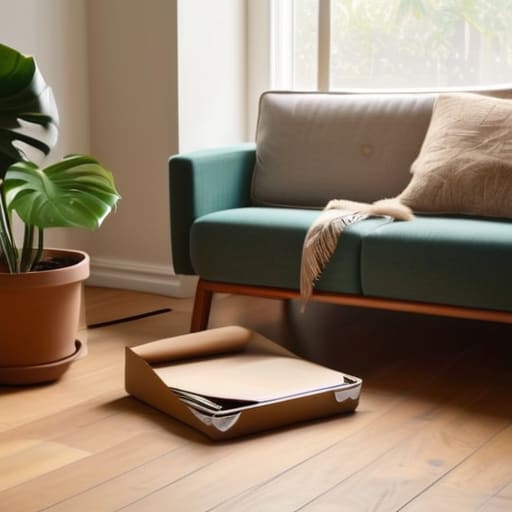
I still remember the first time I stood in the middle of my own tiny, empty studio, staring at a pile of cardboard boxes and feeling completely overwhelmed. I had the keys, but I didn’t have a clue how I was going to actually live in the place without spending my entire first paycheck on things I didn’t even need. It’s so easy to get caught up in the excitement and start buying fancy decor, only to realize later that you can’t even take a proper shower or cook a simple meal. That’s why having a solid first apartment checklist isn’t just a good idea—it’s the only way to keep your sanity and your savings intact during that first big move.
In this post, I’m stripping away all the fluff and the “must-have” gadgets you see in glossy magazines to focus on what actually matters. I’ve narrowed it down to five essential categories that will help you transition from a pile of boxes to a functional, cozy home in no time. I promise to show you exactly what to prioritize so you can settle in without the unnecessary stress or the empty bank account.
Table of Contents
The Kitchen Basics You'll Actually Use
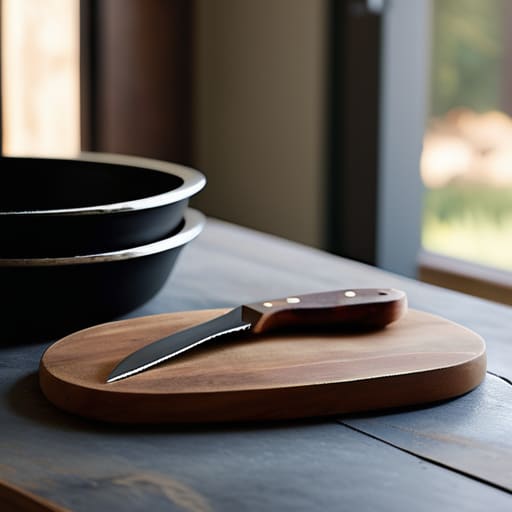
When I moved into my first little place, I thought I needed a gadget for everything—a banana slicer, an egg poacher, the works. Trust me, you don’t. Most of that stuff just ends up taking up precious cabinet space and gathering dust. Start with the absolute essentials: one good chef’s knife, a sturdy cutting board, a medium saucepan, and a large skillet. If you have those, you can cook almost anything from a simple pasta dish to a decent omelet.
Sleep Essentials That Won't Break the Bank
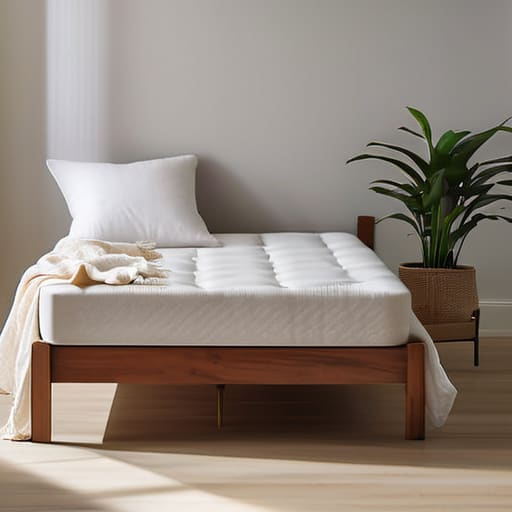
You might be tempted to go out and buy a massive, expensive bedroom set to make the place feel “adult,” but let’s be real: your priority is a good night’s sleep. A decent mattress is the single most important investment you’ll make. You don’t need the most expensive one on the showroom floor, but you do need something that won’t leave you with a sore back by Monday morning. Look for quality over flashiness.
The "Day One" Cleaning Kit
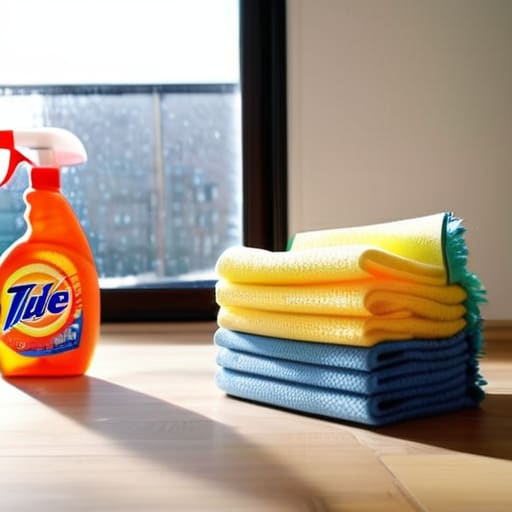
There is nothing quite as demoralizing as moving all your boxes into a new apartment only to realize you don’t have a way to clean the floor or the bathroom. Before the movers even arrive, or at the very least before you unpack your first box, you need a survival cleaning kit. I’m talking about all-purpose cleaner, dish soap, a sponge, a broom, and a roll of paper towels. Having these ready to go means you can wipe down the insides of cabinets or scrub a sink before you even start setting things up.
Lighting and Ambiance
Most apartment rentals are notorious for having exactly one, very sad, overhead light in the middle of the room that makes everything look like a hospital waiting room. To make a new space actually feel like a home rather than a temporary box, you need “layered” lighting. This just means adding a couple of inexpensive floor lamps or table lamps around the room. It softens the edges and makes the whole place feel much more inviting.
The Toolkit for Small Fixes
You don’t need to be a handyman to live on your own, but you do need to be prepared for the little things that inevitably go wrong. A tiny screwdriver set, a hammer, and a tape measure are the bare minimum. You’ll find yourself using that tape measure more often than you think, whether you’re checking if a new rug will fit or trying to see if that secondhand bookshelf will clear the doorway.
A Few Final Words of Advice
Don’t feel pressured to buy everything brand new right out of the gate; your budget will thank you if you hunt for quality pieces at thrift stores or garage sales first.
Focus on the “day one” essentials like cleaning supplies and basic tools so you aren’t left scrambling when a lightbulb burns out or a spill happens.
Keep your list flexible and remember that a home is built over time, not all in one afternoon—take it one small, manageable step at a time.
A Little Wisdom for the Move
“When you’re staring at a pile of boxes and a brand-new empty kitchen, remember: you don’t need a showroom; you just need a place to sleep, a way to eat, and a few essentials that keep the chaos at bay while you find your footing.”
Marion Kessler
You’ve Got This
Moving into your first place is a massive milestone, but it can certainly feel like a mountain of expenses and errands if you try to do it all at once. Just remember that you don’t need to walk into a big-box store and buy everything in sight on day one. Focus on those core essentials we talked about—the kitchen basics, the cleaning supplies, the bedding, and those little things like a shower curtain that make a space livable. If you prioritize the functional items first and wait on the fancy decor, you’ll keep your budget intact and avoid that overwhelming feeling of “where do I even start?”
At the end of the day, your first apartment doesn’t need to look like a showroom or a page out of a magazine to be a success. It’s about creating a little sanctuary that is uniquely yours, even if that means using a mismatched set of thrifted plates or a rug you found on a clearance rack. Take it one box and one grocery trip at a time. If you build your home slowly and mindfully, you’ll find that it becomes a place of comfort and pride rather than just a collection of stuff. You’re doing great, and I’m rooting for you.
Frequently Asked Questions
Should I wait until I move in to buy things like rugs or decor, or is it better to get them early?
If I’ve learned anything from years of moving and making a house feel like a home, it’s this: wait. I know it’s tempting to grab a cute rug or some pretty pillows while you’re browsing, but please, hold off. You don’t truly know how much light your living room gets or how much floor space you actually have until you’re standing in it. Buy the essentials first, then decorate once you’ve settled in.
How do I figure out what's actually essential versus what's just a "nice-to-have" when my budget is tight?
When the budget is tight, I use the “First Night vs. First Month” rule. Ask yourself: “Can I survive without this tonight?” If you can’t sleep, eat, or wash your hands, it’s essential. A fancy espresso maker or a decorative rug can wait. I always tell myself that if it doesn’t serve a basic survival need or a vital daily function, it’s just a “nice-to-have” that can wait until your next paycheck.
Is it smarter to buy everything brand new, or should I be hunting for secondhand items right from the start?
If you ask me, hunting for secondhand is the way to go, but you have to be picky. I always tell people: buy your “touch” items new—think pillows, sponges, or a good frying pan. But for everything else? Check thrift stores, Facebook Marketplace, or even your parents’ garage. A solid wooden coffee table or a sturdy bookshelf lasts a lifetime, and you shouldn’t have to pay full retail price just to have a place to put your books.