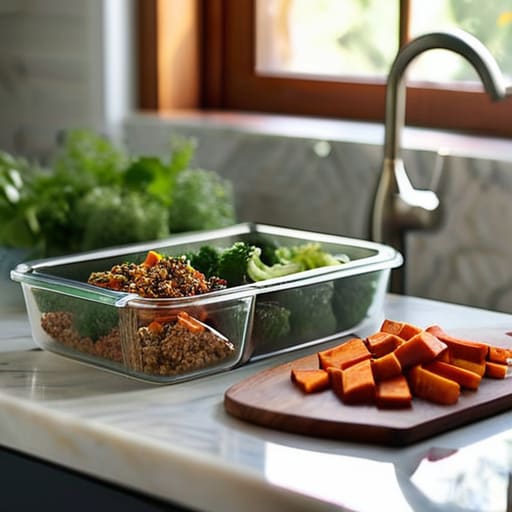
I used to think that “meal prepping” meant spending my entire Sunday afternoon in a designer kitchen, surrounded by twenty identical plastic containers and enough expensive spices to fund a small country. But let me tell you, that kind of high-maintenance nonsense is exactly how you end up burnt out and reaching for the takeout menu by Wednesday. I’ve learned the hard way that true make ahead meals aren’t about perfection or fancy gourmet plating; they are about survival and sanity. You don’t need a culinary degree or a massive budget to win the week—you just need a few smart, versatile bases that work as hard as you do.
In this guide, I’m skipping the complicated recipes that require a grocery store run every single time. Instead, I’m sharing the practical, down-to-earth methods I’ve used to feed my family on a budget without losing my mind. I’ll show you how to prep simple components that actually taste good on day three, so you can reclaim your evenings and stop the nightly “what’s for dinner” panic. No fluff, no expensive gadgets, just real food for real life.
Table of Contents
Smart Weekly Meal Planning for Busy Families
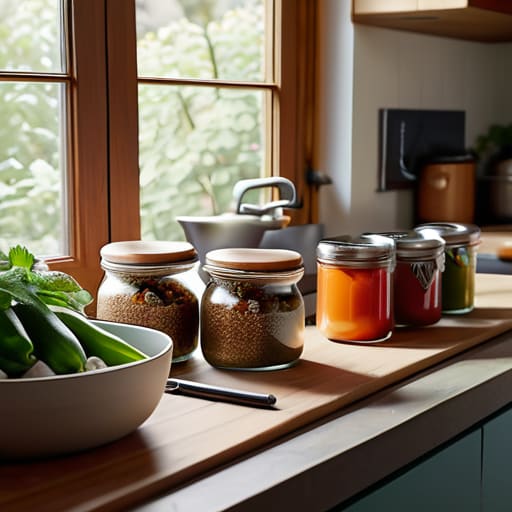
Now, I’ll be the first to admit that sitting down with a calendar and a notepad can feel like a chore, but it’s the only way I keep my head above water. I don’t aim for those Pinterest-perfect, color-coded bento boxes; I just want to know that when the kids get home from practice and the house is a mess, I’m not staring blankly at a pantry. The trick to weekly meal planning for busy families isn’t about complex recipes; it’s about looking at what you already have in the cupboard and picking three or four versatile “anchor” ingredients. If I know I have a big batch of seasoned ground beef or a tray of roasted veggies ready to go, the rest of the week practically writes itself.
Once you’ve got your plan, don’t overcomplicate the execution. I like to lean heavily on budget friendly batch cooking by doubling whatever I’m making for dinner on Monday. If I’m simmering a pot of chili, I’m making twice as much as we can eat in one sitting. I always keep a stash of sturdy meal prep containers for freezing in my cabinet, because if you don’t portion it out right then and there, that extra food usually ends up forgotten in the back of the fridge until it’s too late.
Budget Friendly Batch Cooking for a Calmer Week
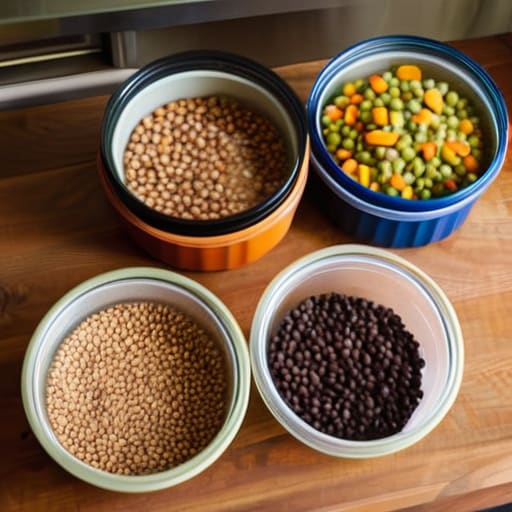
Now, let’s talk about the money side of things, because that’s where the real magic happens. I’ve found that budget friendly batch cooking isn’t just about saving time; it’s about stopping those expensive, last-minute takeout orders when you’re too tired to think. When I sit down on a Sunday, I look at what’s on sale in my circular—usually chicken thighs or a big bag of lentils—and I build my meals around that. Instead of buying individual portions, I buy in bulk and cook once to eat thrice. It keeps the grocery bill predictable and prevents that mid-week “what’s for dinner?” panic that usually ends with a twenty-dollar delivery fee.
To make this actually work without your fridge looking like a chaotic science experiment, you need to get serious about your storage tips for prepped meals. I used to just throw everything into mismatched plastic tubs, but I learned the hard way that things leak or freeze into ice blocks. Investing in a decent set of meal prep containers for freezing was one of the best things I ever did for my sanity. If you can see what’s inside and it stays airtight, you’re much more likely to actually eat what you worked so hard to prepare.
5 Little Tricks to Make Your Meal Prep Actually Stick
- Don’t try to cook five new recipes at once. Start by picking one “big batch” item—like a hearty chili or a tray of roasted chicken—and use it in different ways throughout the week. It’s much easier on your brain and your wallet.
- Invest in a decent set of matching glass containers. I know, it sounds like a small thing, but being able to stack them neatly in the fridge makes everything feel organized rather than chaotic, and you’re way more likely to grab them when you’re hungry.
- Keep a “base” ingredient on hand that’s easy to transform. If you have a big pot of plain quinoa or brown rice in the fridge, you can turn it into a grain bowl one night and a quick stir-fry the next. It saves you from starting from scratch every single time.
- Label everything with a piece of masking tape and a marker. There is nothing worse than digging through the freezer and finding a mystery container that might be beef stew or might be old spaghetti sauce. Write the date and the contents so you aren’t guessing.
- Cook for the freezer, not just the fridge. If you realize you’ve made too much of a soup or a casserole, don’t let it sit in the fridge until it goes bad. Portion it out into individual servings and freeze them immediately for those nights when you’re too exhausted to even think about cooking.
How to Make This Work for You
Don’t try to cook a feast every Sunday; start by prepping just two or three versatile bases, like a big pot of beans or roasted chicken, that can be used in different ways throughout the week.
Keep your grocery list focused on what you actually have in the pantry so you aren’t buying duplicates or wasting money on ingredients that just sit in the back of the cupboard.
Give yourself some grace—some weeks the batch cooking will go perfectly, and other weeks you’ll just be winging it, and that’s okay as long as you have a plan to fall back on.
A Little Sunday Work Saves a Lot of Monday Stress
“Making a few meals ahead isn’t about being a gourmet chef or spending your whole weekend in the kitchen; it’s just about looking out for your future self so that when Tuesday rolls around and you’re exhausted, you aren’t staring at an empty fridge and a mounting credit card bill.”
Marion Kessler
Taking the First Step Toward a Calmer Kitchen
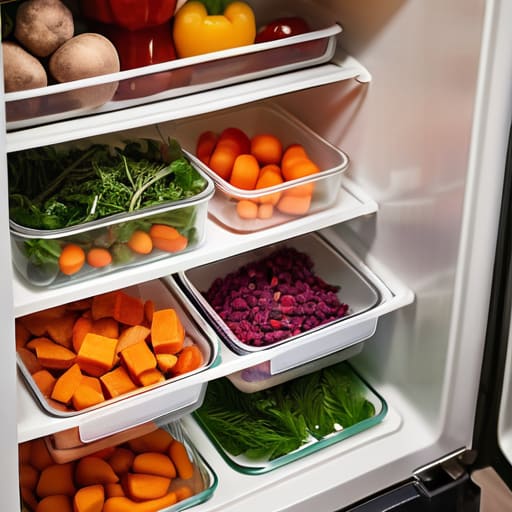
At the end of the day, making ahead meals isn’t about being a gourmet chef or spending your entire Sunday hunched over a stove. It’s really just about being kind to your “future self.” By sitting down to plan your week and prepping a few versatile bases—whether that’s a big pot of chili or a tray of roasted veggies—you’re essentially buying yourself time and sanity for those hectic Tuesday nights. You’ll save money by avoiding those expensive last-minute takeout orders, and you’ll feel a lot more in control when you open the fridge and actually see a plan in place. It’s all about those small, practical wins that add up over time.
If you’re feeling a bit overwhelmed by the idea, please don’t try to do everything at once. You don’t need a pantry full of specialty ingredients or a dozen airtight containers to get started. Just pick one meal this week that you can make a little extra of, or spend twenty minutes chopping some onions while you listen to the news. Life is messy, and some weeks the plan will fall apart, and that’s perfectly okay. The goal isn’t perfection; it’s just about making everyday life work a little better so you can breathe a little easier. You’ve got this.
Frequently Asked Questions
How do I keep these meals from tasting like they've been sitting in the fridge for days?
That is the million-dollar question, isn’t it? There’s nothing worse than reaching for a meal you worked hard on, only to find it tastes like a soggy afterthought. My biggest secret? Don’t overcook everything on Sunday. Leave your proteins and veggies just a hair underdone; they’ll finish cooking when you reheat them. Also, keep your sauces separate until the last second. It keeps things from getting mushy and lets you control the moisture when you’re ready to eat.
What are some good ways to freeze these meals without them getting freezer burn?
There’s nothing worse than pulling out a meal only to find it tastes like freezer frost. To keep things fresh, I always use heavy-duty freezer bags and squeeze every last bit of air out before sealing—I even use a straw to suck out the remaining air if I’m in a pinch. If you’re using containers, make sure they’re airtight. For long-term storage, I often layer a bit of plastic wrap directly against the food first.
I don't have a ton of extra kitchen space; how can I prep these without cluttering up my whole counter?
I hear you—my kitchen counters are small, and I refuse to let a mountain of cutting boards take over my workspace. When space is tight, I don’t try to do everything at once. I use the “one-task” method: I’ll chop all my veggies for the week in one go, clear the counter, and then move on to the next thing. I also lean heavily on my sink; it’s a great temporary staging area.