
I used to think that learning how to reflect on your week meant sitting down with a leather-bound journal and a $30 candle, trying to find some deep, spiritual epiphany while the house was finally quiet. Honestly? That sounds like a lot of expensive fluff that most of us just don’t have the time or the energy for. Between the grocery runs, the laundry piles, and trying to keep my head above water at work, I didn’t need a “mindfulness retreat”—I needed to know why I felt so exhausted by Friday afternoon and where my time was actually vanishing.
I’m not here to sell you on some complicated productivity system or a fancy app that requires a monthly subscription. Instead, I want to share the simple, messy, and very practical way I actually audit my life. I’ll show you how to look back at your last seven days to see what worked, what wasted your money, and what’s just draining your battery. We’re going to keep this honest and straightforward, focusing on small adjustments that make Monday feel a little less heavy and your hard-earned time feel a lot more yours.
Table of Contents
A Practical Weekly Productivity Audit for Busy Lives
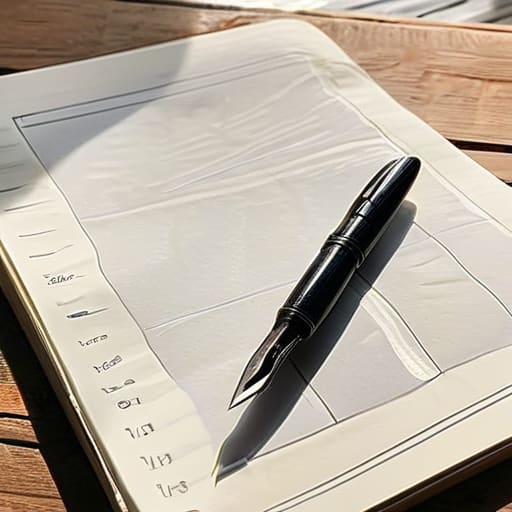
Now, I’m not talking about some complicated, hour-long deep dive that leaves you feeling more exhausted than when you started. When I sit down with my notebook, I treat it more like a quick kitchen inventory. To get a real sense of where your time is actually going, I recommend a simple weekly productivity audit. Grab a cup of tea, find a quiet corner, and just look at your calendar and your to-do list from the last seven days. Don’t try to rewrite your whole life in one sitting; just look for the patterns.
Instead of getting lost in the weeds, try using a few simple weekly review prompts for growth to keep yourself on track. I like to ask myself three things: What actually got done? What took way longer than it should have? and Where did I lose my focus? This isn’t about beating yourself up for a messy Tuesday or a distracted Wednesday. It’s about evaluating weekly goals with a clear head so that next Monday doesn’t feel like you’re just running in circles.
Evaluating Weekly Goals to Stop Wasting Your Energy

Now, here is where we get into the nitty-gritty. It is one thing to make a list of things you want to get done, but it is another thing entirely to look at that list on a Friday afternoon and be honest about what actually happened. When I am evaluating weekly goals, I don’t just look at what I checked off; I look at the stuff I ignored. Did I avoid that big project because I was “too busy,” or was I actually just hiding behind easier, less important tasks? Being honest about where your energy went is the only way to stop the cycle of feeling busy without actually being productive.
Instead of just staring at a blank page, try using a few simple weekly review prompts for growth to guide your thinking. Ask yourself: What was my biggest win? and What was the one thing that drained my battery the most? You don’t need fancy, complicated self-improvement reflection techniques to do this. You just need a quiet moment and a little bit of truth. If you keep setting the same goals and missing them, it’s time to stop blaming your schedule and start looking at your habits.
Five Simple Ways to Check In With Yourself
- Keep a “wins” list in that notebook of yours. We spend so much time beating ourselves up over what didn’t get done that we completely overlook the small victories, like finally clearing out the junk drawer or sticking to the grocery budget. Write down three things that went right, no matter how tiny they seem.
- Look at your calendar and your bank statement side-by-side. I do this once a week to see if my time and my money are actually going toward the things I said were important. If you said you wanted to save more but spent forty dollars on takeout on a Tuesday, you’ve got your answer.
- Identify your “energy thieves.” This isn’t about being dramatic; it’s about being practical. Was it that one recurring meeting that drags on too long, or the messy kitchen counter that makes you feel frazzled every morning? Once you name the thief, you can start planning how to sidestep it next week.
- Don’t just look at what you did, look at how you felt. If you spent the whole week running from one task to the next without catching your breath, you aren’t being productive—you’re just being busy. A successful week should leave you feeling capable, not completely depleted.
- Set one “anchor goal” for the coming week. Don’t try to overhaul your entire life by Monday morning; that’s a recipe for burnout. Pick one single thing—maybe it’s meal prepping on Sunday or finishing that one overdue report—and make that your priority. Everything else is just extra.
The Bottom Line: Making it Work for You
Don’t let this become another chore on your to-do list; if a weekly review feels like a burden instead of a relief, scale it back until it actually helps you breathe easier.
Focus on the patterns, not just the mishaps—if you find yourself scrambling every Tuesday afternoon, it’s not a personal failure, it’s just a sign that your Tuesday schedule needs a little rearranging.
Keep your notes simple and honest, whether it’s in a digital app or my favorite worn-out notebook, because the goal is clarity, not perfection.
## Why We Do This
“Reflecting on your week isn’t about sitting around feeling guilty for the laundry you didn’t fold or the goals you missed; it’s about taking a quiet moment to figure out where your time actually went, so you can stop running on a treadmill and start moving in the right direction.”
Marion Kessler
Small Steps Toward a Better Week

At the end of the day, reflecting on your week isn’t about creating another chore for your to-do list or beating yourself up over every missed deadline. It’s really just about taking a breath and looking at the facts. By auditing where your time actually went and checking in on those goals we talked about, you’re moving away from that constant feeling of being behind and toward a much clearer sense of direction. Remember, the goal of this little Sunday ritual is to spot the patterns—like those late-night scrolling sessions or the meetings that could’ve been emails—so you can make smarter choices when Monday morning rolls around.
I know it can feel a bit daunting to sit down with your notebook and face the week head-on, especially when you’re tired. But I promise you, there is so much peace to be found in that honesty. You don’t need a fancy planner or a life overhaul to see progress; you just need the willingness to look at what’s working and what’s just cluttering up your schedule. Be kind to yourself as you do this. We’re all just trying to make life work a little better, one small, intentional habit at a time. You’ve got this, and I’m rooting for you.
Frequently Asked Questions
What if I feel like I didn't get anything done at all this week?
First off, take a deep breath. I’ve been there, staring at a to-do list that looks exactly the same on Friday as it did on Monday. Please don’t beat yourself up. Usually, when we feel “unproductive,” it’s actually because we spent the week fighting fires instead of following a plan. Instead of wallowing, just look at where the time actually went. Was it chores? Work emergencies? Just being tired? Once you see the leak, you can plug it.
How much time should I actually spend doing this without it becoming another chore on my to-do list?
Look, if this starts feeling like a heavy chore, you’re doing it wrong. I used to try to sit down for an hour with a color-coded planner, and I’d end up just feeling guilty. Don’t do that. Aim for fifteen to twenty minutes—maybe while you’re sipping your morning coffee or right after you finish the Sunday dishes. Keep it lean. If it takes longer than twenty minutes, you’re overthinking it. Just get the essentials down and get on with your life.
Do I need to write all of this down in a fancy journal, or is a scrap of paper okay?
Oh, goodness, please don’t feel like you need to go out and buy some expensive, leather-bound journal just to get started. I’ve seen folks spend forty dollars on a notebook only to let it gather dust on a shelf. Honestly? A scrap of paper, a sticky note, or even the back of an old grocery receipt works just fine. The goal is getting the thoughts out of your head, not decorating a book.