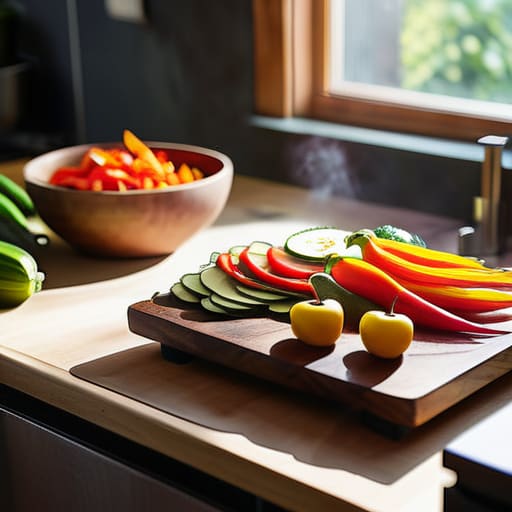
I’ve lost count of how many times I’ve scrolled past those glossy “kitchen organization” videos where people spend hundreds of dollars on matching glass canisters and fancy labels just to make a pantry look pretty for a camera. Honestly, it makes my blood boil. You don’t need a designer budget or a professional organizer to run a tight ship; you just need a bit of common sense and a few reliable kitchen tips and tricks that actually work in a real, messy, lived-in home. I spent years raising two kids on a single income in the Midwest, and I can tell you from experience that a label maker won’t help you when you’re trying to whip up dinner on a Tuesday night while the budget is tight and the clock is ticking.
I’m not here to sell you on expensive gadgets that will just end up gathering dust in a junk drawer. Instead, I want to share the practical, hard-won wisdom I’ve picked up from years of batch-cooking and stretching every grocery dollar. I’m going to walk you through simple habits that will help you organize your space, reduce food waste, and save you a massive headache every single time you step up to the stove.
Table of Contents
Mastering Meal Prep Efficiency to Reclaim Your Evenings
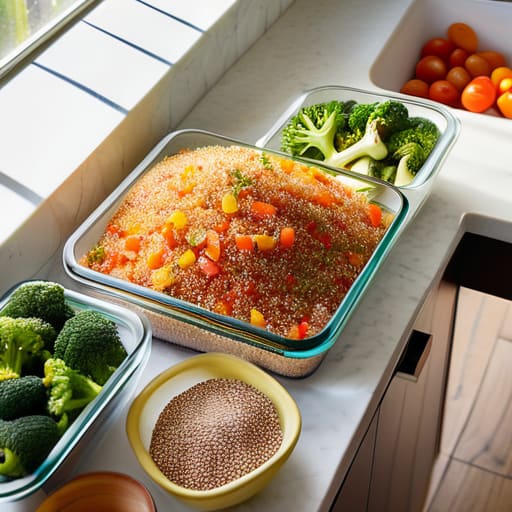
Now, I know the term “meal prep” can sound a bit intimidating, like you need a professional kitchen and hours of uninterrupted silence. But for me, it’s really just about making sure Monday night doesn’t feel like a frantic race against the clock. I’ve found that the real secret to meal prep efficiency isn’t about cooking five different gourmet meals on a Sunday; it’s about prepping the “building blocks.” I’ll chop a mountain of onions, roast two trays of veggies, and cook a big batch of grains all at once. When the workday is dragging and you’re exhausted, having those components ready to toss into a pan means you’re actually eating a real meal instead of reaching for a bag of chips.
Another thing that saved my sanity was finally investing in some decent food storage solutions. I used to use all sorts of mismatched containers I found in the back of the cupboard, which meant I could never find a lid when I actually needed one. Now, I stick to a few sets of clear, stackable glass containers. Not only does it keep my fridge from looking like a junk drawer, but it also lets me see exactly what I have, which stops me from buying duplicates at the grocery store.
Smart Food Storage Solutions to Stop Wasting Money
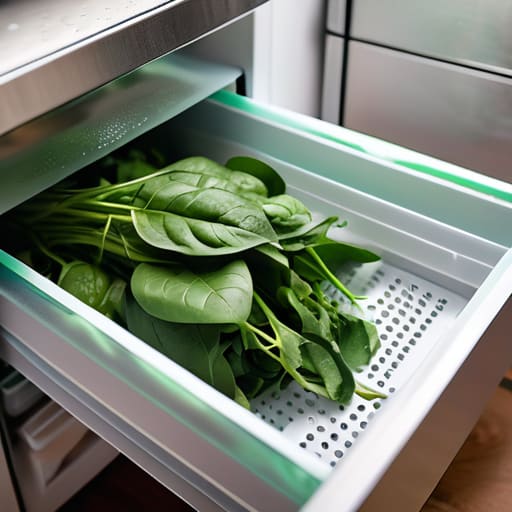
If you’re anything like me, you’ve probably looked at a bag of wilted spinach or a forgotten container of fuzzy leftovers and felt that little sting of guilt. That’s not just wasted food; that’s money literally rotting in your crisper drawer. I used to be terrible at this until I realized that good food storage solutions aren’t about buying a bunch of expensive, matching glass canisters—it’s about understanding how your groceries actually behave.
I’ve learned the hard way that a little bit of foresight goes a long way. For instance, I always keep a small stack of glass containers ready for leftovers, and I’ve started using herb jars (basically just small mason jars with a bit of water) to keep cilantro and parsley fresh for much longer. Another trick I swear by is treating your freezer like a second pantry. If you see a sale on meat or even just extra veggies that are about to turn, chop them up and freeze them immediately. It’s one of those simple kitchen organization ideas that keeps your grocery budget from leaking out through the trash can.
Five Little Habits That Make a Big Difference
- Stop buying those pre-cut veggies. I know, it’s tempting when you’re exhausted, but you’re paying a massive markup for someone else to do five minutes of chopping. Buy the whole heads of broccoli or the big bags of carrots, and chop them all at once on Sunday. It’ll save you a few dollars every single trip to the store.
- Keep a “scrap bag” in your freezer. Instead of tossing onion skins, carrot ends, or celery tops into the trash, throw them into a gallon-sized freezer bag. Once it’s full, simmer those scraps in water for a couple of hours, strain it, and you’ve got free, homemade vegetable stock that tastes a million times better than the boxed stuff.
- Organize your spices by how you actually use them, not just alphabetically. I keep the stuff I use every single day—like garlic powder, salt, and pepper—right next to the stove where I can grab them without breaking my stride. There’s no sense in hunting through a deep cabinet for the cumin when you’re halfway through a recipe.
- Get into the habit of “cleaning as you go.” It sounds simple, but it’s a lifesaver. While that pot of chili is simmering or the chicken is in the oven, wash the cutting board and wipe down the counters. It means that when you finally sit down to eat, you aren’t staring at a mountain of dishes that’s staring back at you.
- Check your pantry before you head to the store. I always keep my little pocket notebook handy to jot down what we’re running low on, but I never leave the house without a quick glance at the shelves. There is nothing more frustrating—or wasteful—than buying a third jar of mayo just to realize you already had two hiding in the back.
Small Changes for a Smoother Kitchen
Stop treating your kitchen like a junk drawer; when every spice and tool has a dedicated home, you spend less time hunting and more time actually enjoying your meal.
Treat your grocery list like a roadmap, not a suggestion, because wandering the aisles without a plan is the fastest way to blow your budget on things you don’t even need.
Don’t wait for a massive “cleaning day” to tackle the mess; just spending five minutes clearing the counters before you head to bed will make your morning coffee feel a whole lot more peaceful.
## A Little Wisdom from My Kitchen
“A well-run kitchen isn’t about having the fanciest gadgets or the most expensive pantry; it’s about knowing exactly where your spatula is and having a plan for those leftovers so you aren’t staring blankly into the fridge at 6:00 PM.”
Marion Kessler
Making It Work for You
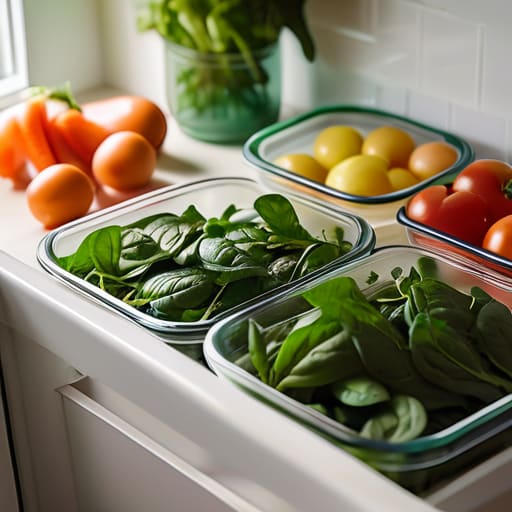
At the end of the day, getting your kitchen in order isn’t about having a showroom-ready space or a pantry that looks like it belongs in a magazine. It’s about the practical stuff we’ve talked about: prepping your meals so you aren’t staring blankly at the fridge at 6:00 PM, and using the right containers so that expensive bag of spinach doesn’t turn into a science project in the back of your crisper drawer. When you master these little habits, you aren’t just organizing Tupperware; you are protecting your hard-earned money and buying yourself back precious time that used to be spent on stress and wasted groceries.
I know it can feel overwhelming to change how you do things, especially when life is already pulling you in a dozen different directions. But please, don’t feel like you have to overhaul the entire kitchen by tomorrow morning. Just pick one thing—maybe it’s a better way to store your onions or a quick Sunday chop of veggies—and start there. A well-run kitchen is a foundation for a much calmer home, and I promise you, every small change counts. You’ve got this, and you’re doing a great job just by taking the first step toward making your everyday life run a little bit smoother.
Frequently Asked Questions
How do I keep my kitchen from feeling cluttered if I have a tiny amount of counter space?
If you’re working with tiny counters, the golden rule is: if you don’t use it every single day, it doesn’t belong on the surface. I used to keep my heavy stand mixer right out in the open, but it just ate up my prep space. Move those gadgets into a lower cabinet or a pantry. Instead, look up—magnetic knife strips or hanging pot racks are lifesavers for clearing that precious real estate.
Are there any specific ways to organize a pantry so I don't accidentally buy duplicates of things I already have?
The secret is to stop treating your pantry like a black hole. I started using clear, airtight containers for staples like flour and pasta; seeing exactly how much is left prevents those “oops” trips to the store. Most importantly, keep a little notepad right on the pantry door. Before you leave the house, check your levels and jot down what’s low. If you can see it and write it down, you won’t buy it twice.
What are some easy ways to clean up the kitchen quickly after cooking so the mess doesn't pile up for the next day?
The secret is the “clean as you go” rule—it sounds cliché, but it’s a lifesaver. While that sauce is simmering or the meat is resting, don’t just stand there; grab that cutting board and toss it in the sink. If you spend those five-minute gaps washing a few spoons or wiping the counters, you won’t wake up to a mountain of crusty dishes tomorrow. Aim to leave the kitchen with the sink empty and the counters clear.