I used to stare at those glossy magazine spreads of “perfect” pantries—all matching glass jars, expensive organic superfoods, and enough exotic spices to make your head spin—and feel like I was failing at life. Honestly, it’s all a bit much, isn’t it? You don’t need a boutique grocery budget or a degree in nutrition to figure out how to stock a healthy kitchen that actually serves your family. For years, I thought I had to buy the fancy stuff to be “healthy,” but I learned the hard way that a kitchen full of expensive, niche ingredients you never use is just a waste of good money.
I’m not here to sell you on any lifestyle trends or complicated meal prep systems that take up your entire Sunday. Instead, I want to share the practical, down-to-earth way I manage my own cupboards on a budget. I’m going to show you how to focus on the versatile staples that keep you full and how to build a pantry that makes cooking easy, even on your busiest weeknights. This is about making life work better for you, one smart grocery trip at a time.
Table of Contents
Building Your Nutritious Grocery List Essentials
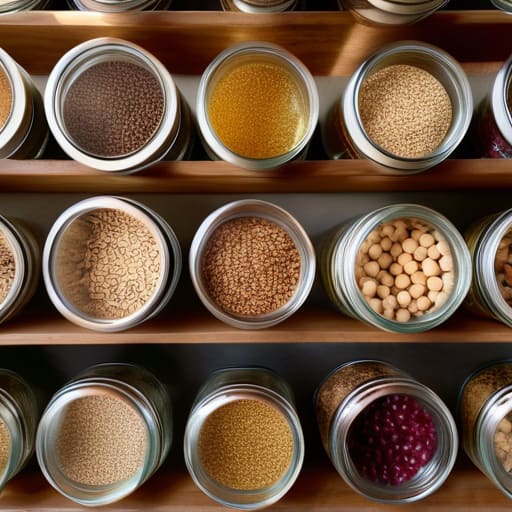
Now, I’m not going to tell you to go out and buy every fancy superfood you see on a social media feed. That’s a quick way to empty your wallet and end up with a pantry full of things you’ll never actually use. Instead, I focus on building a foundation of whole food pantry staples that are versatile and reliable. Think about things like dried lentils, brown rice, canned beans, and oats. These aren’t just fillers; they are the backbone of a dozen different meals. When you have these basics on hand, you aren’t scrambling for a takeout menu at 6:00 PM on a Tuesday because you forgot to defrost the chicken.
When I sit down with my little pocket notebook to plan my week, I always prioritize nutrient dense food shopping. I look for items that pack a punch—frozen vegetables that are just as good as fresh, hearty grains, and healthy fats like olive oil. My rule of thumb is to keep it simple: if it has a label that looks like a chemistry textbook, it probably doesn’t belong in my cart. By sticking to these nutritious grocery list essentials, you’re setting yourself up for success without the stress.
Smart Low Sugar Pantry Swaps for Real Life
Now, let’s talk about the sneaky stuff—the sugar that hides in plain sight. When I first started trying to eat better, I realized my pantry was basically a graveyard for processed snacks and sugary sauces. The trick isn’t to go on a restrictive diet, but to make some simple low sugar pantry swaps that don’t leave you feeling deprived. Instead of reaching for that bottled, honey-glazed vinaigrette that’s more syrup than salad, keep some extra virgin olive oil and apple cider vinegar on hand. You can whip up a better dressing in thirty seconds, and it’s much easier on your blood sugar.
I also learned the hard way that “healthy” granola is often just cookies in disguise. I swapped those out for whole food pantry staples like rolled oats, raw almonds, and chia seeds. If you have these on hand, you can make your own breakfast or snack mixes without the massive sugar spike. It makes meal prepping with healthy ingredients so much easier when you aren’t fighting against a sugar crash halfway through your afternoon. It’s about making better choices once, so you don’t have to struggle every single day.
Five Ways to Make Your Kitchen Work for You (Not Against You)
- Shop your own pantry before you hit the store. I can’t tell you how many times I’ve bought a second jar of cumin only to find a full one hiding in the back of the cupboard. Take ten minutes to see what you actually have so you aren’t wasting money on duplicates.
- Stick to the perimeter of the grocery store. I know it’s tempting to wander the middle aisles for those flashy snack boxes, but the real fuel—the produce, the proteins, and the dairy—is almost always around the outer edges. That’s where the good stuff lives.
- Keep “emergency” healthy meals in the freezer. We’ve all had those days where the kids are cranky and the house is a mess, and the last thing you want to do is cook a three-course meal. Having a bag of frozen veggies and some lean protein ready to go means you won’t end up ordering expensive, salty takeout.
- Buy your staples in bulk, but be smart about it. Things like oats, brown rice, and dried beans are much cheaper when you buy the big bags, but only do this if you actually have the space to store them properly and the plan to use them before they go stale.
- Prep just a little bit as soon as you get home. You don’t need to spend your whole Sunday meal prepping like those influencers do, but washing your berries or chopping an onion right when you unpack can be the difference between eating a salad or grabbing a bag of chips when you’re hungry later.
The Bottom Line for Your Kitchen
Focus on building a foundation of versatile staples rather than chasing every new health food trend; if you can’t use it in three different meals, it probably doesn’t belong in your cart.
Always keep an eye on the price-per-unit in your notebook, because a “healthy” item isn’t much help if it’s blowing your weekly grocery budget wide open.
Small, simple swaps—like choosing plain yogurt over the sugary flavored kind—are much easier to stick to than trying to overhaul your entire diet overnight.
My Golden Rule for the Kitchen
“A healthy kitchen isn’t about having a pantry full of expensive superfoods you’ll never use; it’s about having the simple, honest staples on hand so that when life gets busy, you aren’t reaching for a bag of chips just because it’s the easiest thing in the house.”
Marion Kessler
Making It Stick
At the end of the day, stocking a healthy kitchen isn’t about having a perfectly manicured, Instagram-ready pantry filled with expensive superfoods. It’s about having the right basics—those sturdy staples, smart low-sugar swaps, and nutritious essentials—ready to go when life gets hectic and you’re too tired to cook a gourmet meal. If you’ve focused on building a list that actually works for your family and making those small, sensible substitutions we talked about, you’ve already done the hardest part. Remember, the goal is to build a foundation that makes healthy eating the easiest choice in the room, rather than a chore you have to fight against every single evening.
I know it can feel overwhelming when you’re standing in the middle of a grocery aisle, staring at a sea of labels and wondering if you’re doing it right. But please, give yourself some grace. You don’t have to overhaul your entire kitchen overnight to see a difference. Real, lasting change comes from those small, consistent habits—the ones where you choose the oats over the sugary cereal or keep a bag of frozen veggies on hand for a quick stir-fry. Take it one grocery trip at a time, keep your little notebook handy, and just focus on making things a little bit better than they were yesterday. You’ve got this.
Frequently Asked Questions
How do I keep all these healthy staples from going bad before I can actually use them?
That is the million-dollar question, isn’t it? I used to feel so guilty tossing wilted spinach or those expensive berries. My best rule is simple: shop your pantry first. Before you head out, see what’s actually hiding in the back. When you do buy fresh, treat your fridge like a workspace—move the older stuff to the front so it’s the first thing you grab. And please, don’t let those herbs die in the crisper drawer; stick them in a glass of water like flowers.
What’s the best way to stock a healthy kitchen when I’m shopping on a really tight weekly budget?
When the budget is tight, you have to stop thinking about “superfoods” and start thinking about “foundation foods.” Forget the fancy organic chia seeds; focus on the heavy hitters like dried beans, lentils, oats, and frozen vegetables. They’re cheap, they last forever, and they actually fill you up. I always check the price-per-unit in my notebook before grabbing anything. If it isn’t versatile enough to go in three different meals, it stays on the shelf.
Do I really need to buy everything in bulk, or is it better to just grab small amounts as I go?
Look, I’ve been there, staring down a massive bag of rice and wondering if I’m being smart or just wasteful. Here’s my rule of thumb: buy in bulk only if it’s a non-perishable staple you use every single week—think oats, beans, or olive oil. If it’s something that might sit in the back of the pantry for months, just grab the smaller amount. Don’t let “saving” money actually end up wasting it.