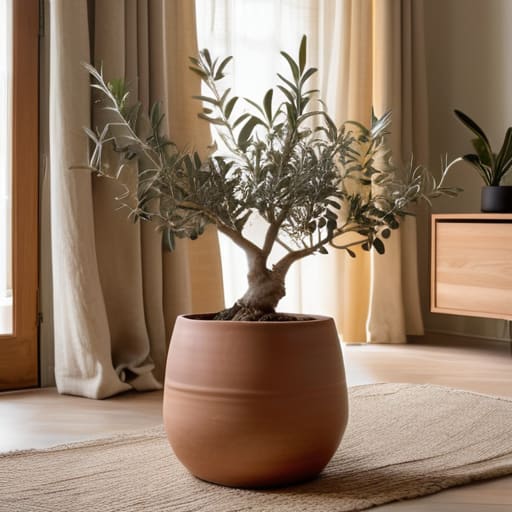
I’ll be the first to tell you: most of the advice you see online about minimalism is total nonsense. You see those photos of perfectly white, empty rooms where it looks like nobody has ever actually lived or eaten a piece of toast, and it feels more like a museum than a home. I’ve never been one for that kind of cold, expensive aesthetic; I was too busy raising two kids on a single income to worry about buying a thousand-dollar marble tray just to hold my keys. To me, real minimalist home tips shouldn’t require a massive bank account or a complete lifestyle overhaul that leaves your house feeling soul-less.
Instead, I want to talk about making your space work for you, not the other way around. I’m going to share the practical, down-to-earth ways I’ve learned to clear the clutter and keep the chaos at bay without losing the things that actually matter. We aren’t aiming for a showroom here; we’re aiming for a home that feels calm and manageable. I promise to give you honest, no-nonsense steps that focus on saving your time and your sanity, one shelf at a time.
Table of Contents
Effective Decluttering Techniques for Beginners to Start Today
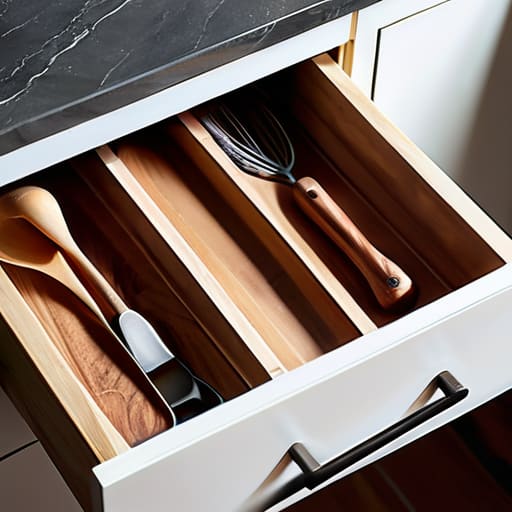
If you’re looking at a mountain of stuff and feeling paralyzed, stop. You don’t need a professional organizer or a fancy system to start. The best decluttering techniques for beginners are actually the simplest ones: just pick one small, contained area—like a single junk drawer or that one shelf in the pantry—and commit to it. Don’t try to tackle the whole guest room in one afternoon; you’ll just burn out and end up sitting in the middle of the floor surrounded by mess. I’ve learned the hard way that small wins build momentum. Once that drawer is clear, you’ll feel that little spark of control, and that’s when you move to the next spot.
Another trick I swear by is the “one-in, one-out” rule. It’s a cornerstone of reducing household clutter without feeling like you’re living in a vacuum. If you bring home a new kitchen gadget or a cozy new sweater, something else has to go to a donation bin or the trash. It forces you to think about whether that new item is actually worth the space it’s taking up. It’s not about deprivation; it’s about being mindful of what you allow into your sanctuary.
Reducing Household Clutter Through Small Daily Habits
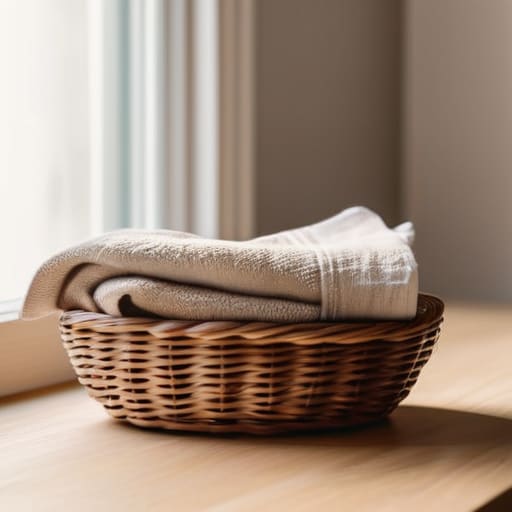
Now, if you’re anything like me, the idea of a massive, weekend-long purge sounds exhausting before you even start. That’s why I’ve learned that the secret to reducing household clutter isn’t a single marathon session; it’s about those tiny, almost invisible habits we do every single day. I like to call it the “one-in, one-out” rule. If a new dish towel comes home from the store, an old, frayed one goes straight into the rag bin or the trash. It keeps the momentum going without you ever feeling like you’re fighting a losing battle against your own belongings.
Another trick that saved my sanity is the “five-minute reset” every evening. Before I sit down to relax, I spend just five minutes clearing the kitchen counters and putting stray shoes back in the mudroom. It’s not about achieving those perfect, Pinterest-worthy intentional living spaces that look like nobody actually lives there; it’s just about making sure tomorrow morning doesn’t start with a mess. When you tackle these little things daily, you stop the clutter from ever gaining enough ground to become a real problem.
Five Simple Ways to Keep the Clutter from Creeping Back In
- Use the “One In, One Out” rule religiously. If you bring home a new sweater or a new kitchen gadget, an old one has to go—either to a donation bin or the trash. It stops that slow buildup that happens when we think, “Oh, I have room for one more.”
- Stop buying “just in case” items. We’ve all done it—buying a bulk pack of something because it was on sale, only to have it sit in the pantry for six months. If you don’t need it for your actual life right now, leave it on the shelf.
- Give every single thing a “home.” If your mail, your keys, or your scissors don’t have a specific spot where they belong, they’re just going to end up drifting across your counters. A designated basket or a specific drawer makes a world of difference.
- Tackle the “surface creep” every evening. Before you head to bed, take five minutes to clear off the dining table or the kitchen island. It’s much easier to start the next morning with a clean slate than to face a mountain of junk while you’re trying to drink your coffee.
- Be picky about your decor. You don’t need a knick-knack on every single shelf to make a room feel “finished.” I’ve learned that leaving a little empty space actually lets the things you truly love stand out more.
My Top Three Rules for Keeping the Calm
Don’t try to tackle the whole house in one weekend; just pick one drawer or one shelf at a time so you don’t burn out and give up.
Make it a habit to “reset” your main living spaces every night—just five minutes of putting things back where they belong makes tomorrow morning so much easier.
If you haven’t used it, worn it, or truly needed it in the last year, it’s probably just taking up space that you need to breathe in.
## A Note on Finding Your Rhythm
“Minimalism isn’t about living in a cold, empty museum; it’s about clearing out the stuff that doesn’t serve you so you actually have room to breathe, move, and enjoy the things that truly matter.”
Marion Kessler
Making it Stick
At the end of the day, minimalism isn’t about living in a cold, empty white box or owning nothing but a single spoon. It’s about clearing out the physical noise so you can actually focus on what matters. We’ve talked about starting small with those beginner decluttering techniques and, more importantly, how to keep the chaos at bay with simple, daily habits like clearing your surfaces before bed. Remember, you don’t have to tackle the whole house in one weekend. It’s better to win the battle in one drawer today than to burn yourself out trying to reorganize the entire garage by Sunday night. Just keep it consistent and manageable.
I know it can feel overwhelming when you look at a room that’s been cluttered for years, but please be kind to yourself. You aren’t just cleaning a room; you’re reclaiming your peace of mind and your time. Every single item you let go of is one less thing you have to clean, move, or worry about. I’ve found that once the clutter settles, the mental fog starts to lift right along with it. Take it one step, one shelf, and one afternoon at a time. You’ve got this, and I promise, the breathing room you create is worth every bit of the effort.
Frequently Asked Questions
How do I decide what to keep when everything in my house feels useful or has sentimental value?
I know that feeling all too well—it’s like every chipped mug or old school project has a little piece of your soul attached to it. Here’s my rule of thumb: if it’s sentimental, ask yourself if the memory needs the object, or if a photo of it would do. For the “useful” stuff, be honest—if you haven’t reached for that specialty gadget in a year, it’s just taking up mental space.
Is it possible to live a minimalist lifestyle if I have a busy family and kids who make a mess every single day?
Oh, honey, I hear you. I spent years chasing rogue LEGOs and half-eaten granola bars across the kitchen floor. Let me tell you: minimalism isn’t about having a museum-perfect house; it’s about having enough breathing room to actually enjoy your family. Don’t aim for “empty surfaces”—aim for “manageable chaos.” Focus on reducing the stuff that causes the most stress, and give yourself grace. A little clutter is just a sign of a life being lived.
Where is the best place to start if my clutter is so bad that looking at it just makes me feel overwhelmed?
When the mess feels like it’s closing in on you, stop looking at the whole room. It’s too much. Instead, pick one tiny, contained spot—just a single junk drawer, your bedside table, or even just the top of the coffee table. Clear that one little island of calm. Once that’s done, you’ll have a place to rest your eyes, and that small win will give you the breathing room to tackle the next bit.