I was standing over my kitchen trash can last Tuesday, staring at a bag of wilted spinach and a half-used carton of heavy cream, when it finally hit me: I wasn’t just throwing away scraps, I was throwing away hard-earned money. We’ve all been there, caught up in the excitement of a grocery sale only to realize three days later that we’ve bought more than we can actually eat. People try to make it sound complicated, telling you that you need fancy airtight containers or high-tech gadgets to master how to reduce food waste, but honestly? That’s just more clutter for your cupboards.
I’m not here to sell you on expensive kitchen systems or complicated lifestyle changes that don’t stick. Instead, I want to share the practical, everyday habits I’ve used to keep my own kitchen running lean and my grocery budget intact. We’re going to talk about real-world strategies—like how to shop with a smarter list and how to use what you already have—so you can stop feeling guilty and start feeling in control of your kitchen again.
Table of Contents
Smart Meal Planning for Beginners to End Overbuying
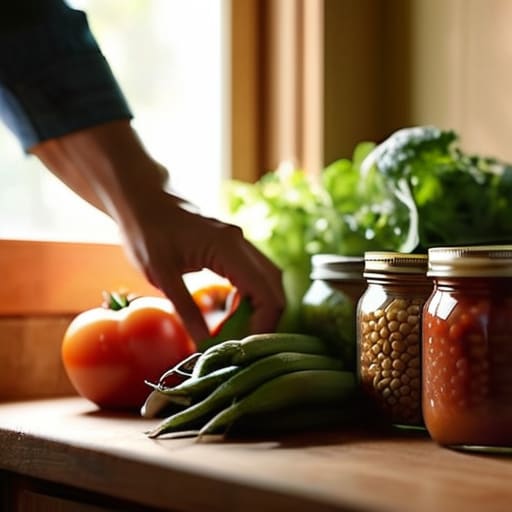
Now, I know what you’re thinking: “Marion, I don’t have time to sit down and map out every single meal for the week.” I used to think the same thing until I saw how much money I was literally tossing into the trash every Sunday night. Meal planning for beginners doesn’t have to be some elaborate, color-coded spreadsheet affair. For me, it starts with a simple “inventory check.” Before you even touch a grocery app or head to the store, open your fridge and pantry. See what’s hiding in the back—that half-bag of lentils or the jar of salsa—and build your meals around what you already own.
Once you have your rough ideas, write a real, honest list. The goal here is reducing grocery expenses by avoiding those impulse buys that look good in the moment but end up wilting in the crisper drawer. If a recipe calls for half a head of cabbage, try to find another way to use the rest later in the week. When you shop with a specific purpose, you stop treating the grocery store like a scavenger hunt and start treating it like a mission.
Mastering Proper Food Storage Techniques for Longevity
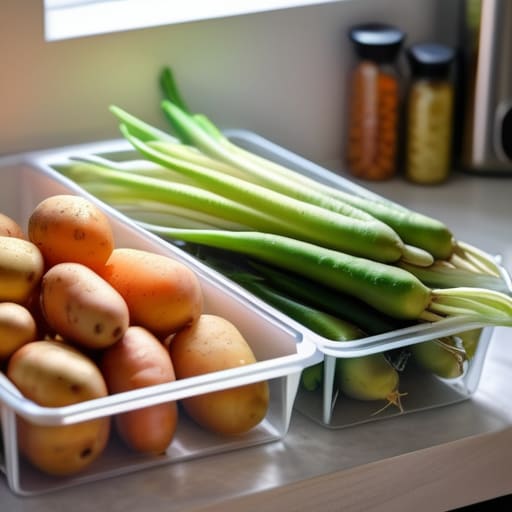
Once you’ve got your groceries home, the real work begins. I used to just toss everything into the fridge and hope for the best, only to find a bag of slimy spinach or a fuzzy lemon a week later. Now, I know that proper food storage techniques are the secret to making your money actually last. For instance, keep your hardy vegetables like carrots and celery in airtight containers with a little water; it keeps them crisp for much longer. On the flip side, keep your onions and potatoes in a cool, dark place, but never store them together, or they’ll spoil each other in no time.
It’s also worth getting a little picky about how you handle your greens and herbs. If you treat a bunch of cilantro like a bouquet of flowers—placing it in a jar of water in the fridge—it stays fresh for a week instead of wilting in two days. Developing these sustainable kitchen habits might feel like a chore at first, but it’s much easier than scraping spoiled leftovers into the trash. It’s all about working with your food rather than against it.
Five Simple Habits to Stop the Shrinking Grocery Budget
- Shop your own pantry before you hit the store. I used to head to the supermarket thinking I was out of everything, only to get home and realize I already had three cans of chickpeas and a bag of rice staring at me from the back of the cupboard. Take five minutes to see what you actually have so you aren’t buying doubles.
- Learn to love the “use it up” meal. Once a week, I make it a rule to have a “fridge forage” night. Instead of cooking something new from a recipe, I look at those wilting carrots, the half-empty jar of salsa, and the leftover chicken, and I turn them into a stir-fry or a hearty soup. It keeps the leftovers from turning into science experiments in the back of the fridge.
- Stop treating “best by” dates like law. There’s a big difference between a safety date and a quality date. Most of the time, if a box of crackers is a day past its “best by” date, they’re still perfectly fine to eat. Don’t let a printed number scare you into tossing perfectly good food just because the calendar moved forward.
- Freeze what you can’t finish today. My freezer is my best friend when it comes to saving money. If I see a loaf of bread getting a little stale or a bunch of spinach starting to soften, I toss them in the freezer immediately. You can turn that bread into French toast later or throw that spinach into a morning smoothie.
- Portion your leftovers correctly from the start. When I make a big pot of chili or a tray of lasagna, I don’t just shove the whole thing in the fridge. I portion out what we’ll eat for dinner tonight and freeze the rest in individual containers. It makes those “I’m too tired to cook” nights much easier and prevents you from overeating or letting a giant container go bad.
Three Small Habits to Start Today
Check your fridge before you head to the store; knowing what you already have prevents that “double-buying” trap that leaves us with two jars of mayo and no bread.
Treat your leftovers like a gift to your future self by portioning them out immediately, so you actually have a quick lunch ready instead of reaching for expensive takeout.
Keep a “use it or lose it” bin on your middle shelf for those lonely carrots or half-empty yogurt containers, making sure they get eaten before they hit the bin.
A Lesson from My Kitchen Scrap Bin
“Every time you toss a wilted bag of spinach or a half-used jar of sauce, you aren’t just throwing away food—you’re tossing hard-earned dollars straight into the trash. Reducing waste isn’t about being perfect; it’s about being mindful enough to treat every grocery item like the budget item it actually is.”
Marion Kessler
Making It Stick
At the end of the day, cutting down on waste isn’t about being perfect or following some fancy, complicated system. It’s really just about slowing down enough to look at what you actually have in your pantry before you head to the store, and learning how to treat your leftovers like the valuable resources they are. When you combine a little bit of smart meal planning with the right storage habits, you’ll start to see those extra dollars staying in your bank account instead of rotting in the crisper drawer. It’s about moving away from mindless shopping and moving toward a smarter, more intentional kitchen that works for you, not against you.
I know it can feel overwhelming to change the way you’ve always done things, especially when life feels like it’s moving at a hundred miles an hour. But please, don’t feel like you have to overhaul your entire life overnight. Just pick one thing—maybe it’s writing that grocery list or finally organizing your fridge—and start there. You’ll be surprised at how much peace of mind comes from knowing you aren’t just tossing money in the bin every single week. You’ve got this, and honestly, your wallet (and your conscience) will thank you for it.
Frequently Asked Questions
What should I do with those leftover scraps and wilting veggies that aren't quite ready for a full meal?
Don’t you dare toss those! I keep a “scrap bag” in my freezer for onion skins, carrot ends, and celery tops; once it’s full, I simmer it all into a rich homemade stock. For those slightly sad-looking veggies, toss them into a big pot of soup or sauté them with a little garlic for a side dish. If they’re just a bit soft, they’re perfect for blending into a sauce or a frittata.
How can I keep track of what's actually in my pantry and freezer without spending hours organizing it?
Don’t go buying those fancy, expensive label makers or spending a whole Saturday color-coding your cans. Honestly, that’s a trap. All I do is keep a simple list on my fridge—a magnetic whiteboard works wonders. Every Sunday, before I head to the store, I take five minutes to jot down what’s left in the freezer and the pantry staples I’m low on. It keeps me from buying a third jar of mayo when I already have two hiding in the back.
Is it really worth the extra time to prep everything on Sunday, or is there a quicker way to stop things from going bad?
Look, I get it. Sunday afternoon feels like it disappears the moment you start chopping onions. If you can’t commit to a full marathon of meal prep, don’t force it—you’ll just burn out. Instead, try “micro-prepping.” Just wash your greens, chop one versatile veggie, or portion out some protein when you first get home from the store. It takes ten minutes, but it saves you from that “I’m too tired to cook” decision that usually ends in takeout and wasted groceries.