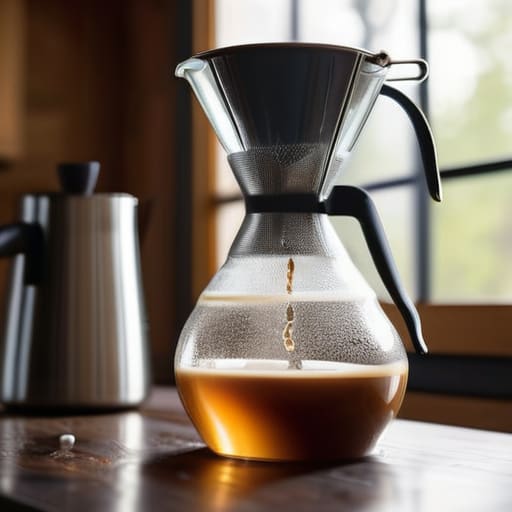
I used to think that if I wanted a decent cup of joe, I had to spend fifteen dollars a day at the drive-thru or buy one of those fancy, chrome-plated machines that looks more like a spaceship than a kitchen appliance. Honestly, the coffee world loves to make things feel much more complicated than they need to be, acting like you can’t master how to make coffee at home without a degree in chemistry and a hundred-dollar grinder. But after years of raising kids on a budget and learning that expensive doesn’t always mean better, I realized most of that high-end hype is just a way to empty your wallet.
I’m not here to sell you on a lifestyle or a piece of equipment you’ll end up hiding in the back of your pantry. Instead, I want to share the simple, reliable methods I’ve used to get a warm, delicious cup without the headache or the heavy price tag. I’ll walk you through the basics of what actually matters—like water temperature and bean freshness—so you can find a routine that actually works for your life. Let’s get you making great coffee without the nonsense.
Table of Contents
Coffee Bean Freshness Tips for a Better Morning
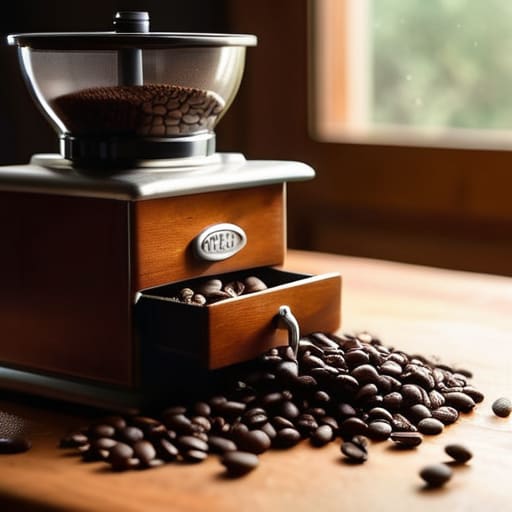
Now, if you want to really taste the difference, you’ve got to talk about the beans themselves. I learned the hard way that buying those pre-ground tins that sit on the grocery shelf for months is a recipe for a bitter, stale cup. If you’re serious about improving your coffee flavor profile without spending a fortune, my biggest piece of advice is to buy whole beans and grind them right before you brew. It’s a tiny extra step, but it’s the single best way to keep that bright, rich aroma alive.
When you’re shopping, try to find bags that have a “roasted on” date rather than just an “expiration” date. You want those beans to be relatively fresh—ideally within a few weeks of that roast date. Once you get them home, don’t just toss the bag in the pantry next to the flour and sugar; keep them in an airtight container in a cool, dark spot. Following these simple coffee bean freshness tips ensures that every dollar you spend on a bag of beans actually goes toward a delicious morning, rather than a cup of brown, flavorless water.
Choosing the Best Coffee Brewing Methods for Your Routine
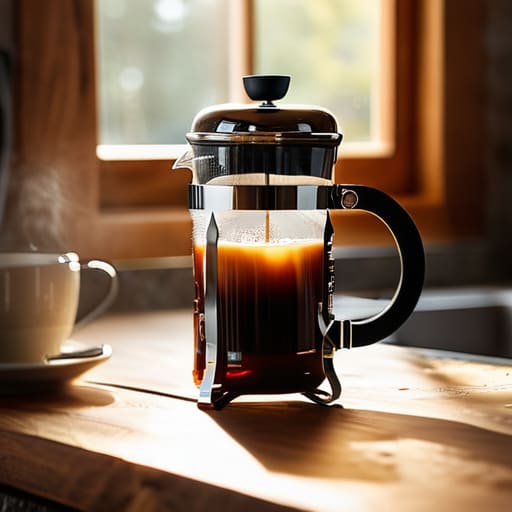
Now, when it comes to picking your gear, don’t let the fancy coffee shop catalogs intimidate you. You don’t need a machine that costs more than my monthly grocery bill to get a decent cup. For me, it really comes down to how much time you actually have in the morning. If you’re someone who’s usually rushing out the door to get the kids to school or heading straight into a meeting, a simple drip machine or a French press is your best friend. The French press is wonderful because it’s sturdy and forgiving, but it does require a bit more patience with the steeping time.
If you find yourself craving a more intentional ritual—the kind that actually helps you feel centered before the day starts—you might want to look into some manual coffee brewing equipment like a pour-over setup. It takes a few extra minutes, and you’ll need to pay attention to your grind size for different brewers to get it just right, but the difference in clarity is worth the effort. Whether you want something quick and automated or a slow, mindful process, just pick the method that fits your actual life, not some idealized version of it.
Five simple ways to level up your morning brew
- Don’t skimp on the water. If your tap water tastes a bit metallic or funky, your coffee will too, so try using a simple filtered pitcher to give your beans a clean slate.
- Get yourself a decent grinder. I know, it’s one more thing to clean, but grinding your beans right before you brew makes a bigger difference than any expensive machine ever could.
- Watch your measurements. Stop eyeballing it with a random spoon; grab a cheap digital kitchen scale so you’re getting the same delicious cup every single morning.
- Keep your gear clean. A little bit of old, oily residue from yesterday’s pot can make your fresh coffee taste bitter and stale, so give your carafe and filter a quick scrub.
- Temperature matters. You don’t need a fancy thermometer, but try not to use boiling water straight off the stove—let it sit for a minute or two so you don’t scorch the grounds.
Quick Tips to Remember
Don’t feel pressured to buy every fancy gadget; start with one reliable method that actually fits into your morning rush.
Keep your beans in a cool, dark spot and grind them right before you brew to keep that flavor from disappearing.
Treat your coffee routine as a small moment of calm for yourself rather than just another chore on your to-do list.
The Heart of the Morning
Making coffee at home isn’t about owning a fancy, hundred-dollar machine that takes up half your counter; it’s about taking five minutes for yourself to do something simple, right, so you can start your day feeling steady instead of rushed.
Marion Kessler
Making it Your Own
At the end of the day, making great coffee at home doesn’t require a fancy espresso machine that costs more than my first car. It really comes down to a few simple, repeatable habits: buying beans that actually smell fresh, choosing a brewing method that fits into your morning rush, and not overthinking the process. Whether you’re using a simple French press on a slow Saturday or a quick drip pot before the kids wake up, the goal is to stop settling for that bitter, lukewarm stuff from the pot in the breakroom. Once you get the hang of these basics, you’ll realize that saving a few dollars a day while enjoying a much better cup is well within your reach.
I know life can feel like a constant scramble sometimes, but I truly believe that these tiny, intentional moments matter. Taking five minutes to brew a decent cup of coffee isn’t just about the caffeine; it’s about carving out a little bit of peace and quiet before the chaos of the day takes over. You don’t need a massive budget to make your home feel like a sanctuary, and you certainly don’t need to be a professional barista to enjoy something delicious. So, grab your favorite mug, settle in, and enjoy the little things—you’ve certainly earned them.
Frequently Asked Questions
Is it actually worth spending the extra money on a fancy electric grinder, or can I just get away with a cheap one?
Look, I’ve been there, staring at those high-end grinders that cost more than my first car. Here’s the honest truth: you don’t need a thousand-dollar machine, but please, skip the cheap blade grinders if you can. They chop the beans unevenly, leaving you with a cup that’s both bitter and sour. If you can swing it, invest in a decent burr grinder. It’s one of those few things where the extra few dollars actually pays off in flavor.
How can I keep my coffee tasting good if I'm mostly using pre-ground beans from the grocery store?
Look, I get it. Most of us don’t have the time or the extra cash to buy whole beans and a fancy grinder every single week. If you’re sticking with the pre-ground stuff from the grocery store, the secret is airtight storage. Don’t leave that bag sitting on the counter; move it to an airtight container in a cool, dark pantry. It keeps the flavor from escaping and helps that bag last a lot longer.
What’s the easiest way to clean my brewing equipment without spending a fortune on specialized supplies?
Honestly, you don’t need those pricey, specialized cleaning tablets to get the job done. For most of my gear, a little warm water and a drop of mild dish soap does the trick. If you’ve got some stubborn coffee oil buildup, a splash of white vinegar diluted with water works wonders—just make sure you rinse it thoroughly afterward so your next cup doesn’t taste like a salad! Simple, cheap, and it works.