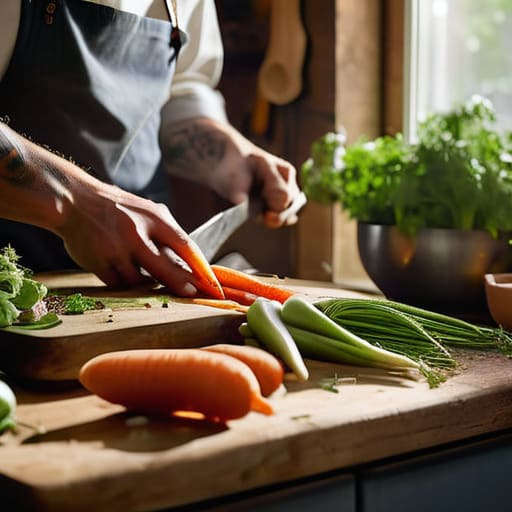
I remember sitting at my kitchen table back in the late nineties, staring at a half-empty pantry and a pile of wilted carrots, wondering how on earth I was going to feed two growing kids on a Tuesday night. I didn’t have fancy organic stocks or a collection of exotic spices gathering dust on a shelf; I just had a few basic staples and a lot of determination. Back then, I realized that learning how to make soup wasn’t about following some high-end culinary manual that required a trip to a specialty grocer. It was about knowing how to turn a handful of random vegetables and a bit of patience into something that felt like a real hug in a bowl.
I’m not here to give you a list of complicated techniques that require expensive gadgets or hours of prep work you don’t have. Instead, I want to show you how to work with what you’ve actually got in your cupboards right now. I’m going to share my straightforward, no-nonsense method for building deep flavor from scratch, even when you’re on a tight budget. We’re going to focus on the simple, practical steps that turn basic ingredients into a meal that actually satisfies, without any of the unnecessary fluff.
Table of Contents
Mastering Your Soup Base Ingredients and Pantry Staples
Before you even turn on the stove, you need to take a look in your pantry. I’ve learned the hard way that the difference between a mediocre meal and one that makes you want to lick the spoon lies in your soup base ingredients. Most people think they need to run out and buy expensive, pre-made kits, but you likely have everything you need sitting right there in your cupboards. Start with the basics: dried herbs, a good quality salt, and maybe a jar of bouillon if you’re running low on fresh items.
Now, I get asked a lot about stock vs broth for soup, and honestly, it’s simpler than the fancy cookbooks make it out to be. Stock usually has a bit more body because it’s made from bones, while broth is lighter. If you’re making a hearty beef stew, go for the stock; if it’s a light chicken noodle, broth works just fine. Regardless of which you choose, don’t forget your essential soup seasonings like bay leaves or a pinch of red pepper flakes. These little additions do the heavy lifting while everything is bubbling away.
Stock vs Broth for Soup Making the Smarter Choice
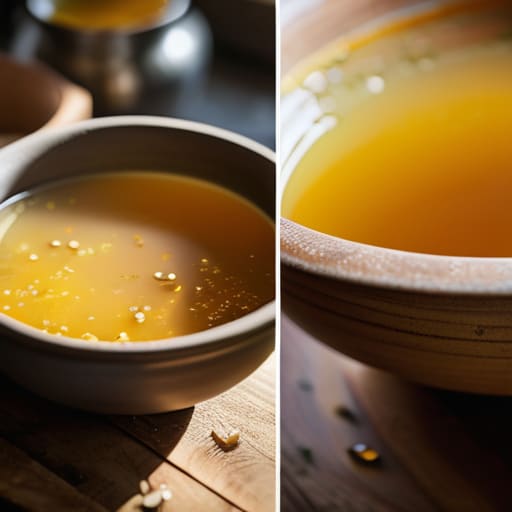
Now, this is where I see a lot of folks get tripped up at the grocery store, staring at those cartons in the aisle and wondering if there’s actually a difference. When you’re looking at stock vs broth for soup, the simplest way to remember it is this: broth is all about flavor, while stock is all about body. Broth is usually made from meat or poultry and is lighter, which makes it perfect if you’re aiming for a clear, delicate soup. Stock, on the other hand, is simmered with bones, which gives it a richer, more velvety texture.
If you’re working with a tight budget—and believe me, I know that feeling—you don’t always need to buy the fancy stuff. In my house, I often use broth for lighter vegetable dishes, but if I’m making a hearty stew that needs to feel substantial, I’ll opt for stock. A little extra richness goes a long way when you aren’t using expensive cuts of meat. If you find your liquid is a bit too thin, don’t worry; you can always work on thickening soup naturally later with a bit of starch or pureed beans.
Five Little Tricks to Level Up Your Soup Game
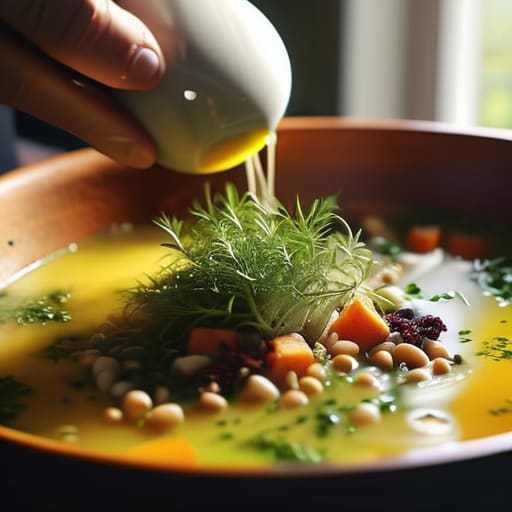
- Don’t be afraid to use those “ugly” vegetables. I keep a container in my fridge for the ends of carrots, the wilted celery tops, and even onion skins; toss them into your pot while the base is simmering to pull out every last bit of flavor without spending an extra dime.
- Salt your vegetables as they sauté, not just at the end. If you wait until the soup is finished to add seasoning, you’ll likely end up with a pot that tastes flat or one that’s suddenly way too salty; seasoning in layers ensures that deep, homemade taste.
- Keep an eye on your acid levels. If you taste your soup and it just feels… heavy or dull, don’t reach for the salt shaker—reach for a teaspoon of lemon juice or a splash of apple cider vinegar. That little bit of brightness cuts through the richness and wakes everything up.
- Timing is everything when it comes to textures. If you’re making a hearty vegetable soup, add your hard stuff like potatoes and carrots first, but wait until the last twenty minutes to drop in your greens or delicate noodles so they don’t turn into mush by the time you sit down to eat.
- Always make a little more than you think you need. Soup is the ultimate “lazy” meal for a busy Wednesday; if you have an extra bowl or two in the fridge, you’ve already solved tomorrow’s lunch problem before it even starts.
My Three Golden Rules for a Better Soup
Don’t be afraid to use what you have; a good soup is really just about making the most of those half-empty bags of lentils or that lonely onion sitting in the crisper drawer.
Take the extra five minutes to sauté your aromatics like onions and garlic before adding your liquid, because that little bit of browning is what turns “hot water” into a real, comforting meal.
Keep an eye on the price-per-ounce when you’re choosing between stock and broth, because those small savings at the grocery store add up to a much bigger win for your monthly budget.
## The Heart of a Good Pot
“You don’t need a gourmet pantry or a dozen expensive spices to make a soup that feels like a hug; you just need a little patience, a few humble staples, and the wisdom to know that the best meals usually start with whatever you’ve already got in the cupboard.”
Marion Kessler
Bringing It All Together
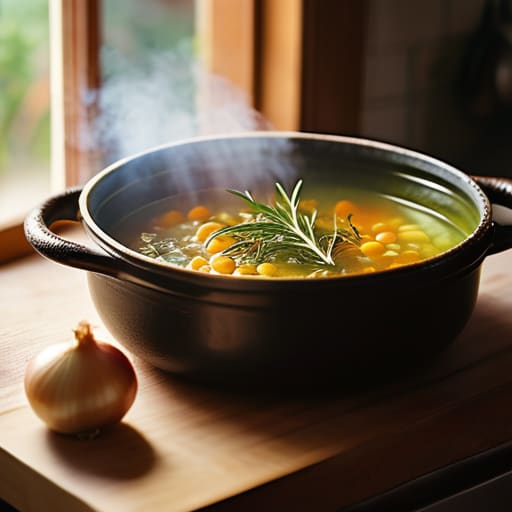
At the end of the day, making a great soup isn’t about having a professional chef’s pantry or a collection of expensive, organic stocks. It’s really just about the basics: a solid foundation of aromatics, a decent liquid base, and the patience to let those flavors get to know one another. Whether you decide to go the extra mile with a homemade stock or just grab a reliable carton of broth from the store, the most important thing is that you’re building layers of flavor rather than just heating up water. Remember to keep those pantry staples like dried herbs and onions close at hand, because once you understand how to work with what you already have, you’ll realize that a hearty, warm meal is always within reach.
I know that sometimes, after a long day of work or chasing kids around, the last thing you want to do is stand over a steaming pot. But I promise you, there is something deeply restorative about the smell of a simmering soup filling your kitchen. It’s more than just food; it’s a way to take care of yourself and your family without breaking the bank. Don’t feel like you have to make a masterpiece every single time. Just grab a pot, use what you’ve got, and trust your instincts. You’ll find that the best recipes are the ones that make your home feel a little more settled.
Frequently Asked Questions
How do I know when my vegetables are soft enough without turning them into mush?
I’ve definitely made the mistake of overcooking my veggies until they’re just a sad, orange blur in the pot. My rule of thumb? Use a fork. If a fork slides into a carrot or potato with just a little bit of resistance—what I call “fork-tender”—it’s done. You want them soft enough to eat easily, but they should still hold their shape when you stir the pot. If they fall apart instantly, you’ve gone too far.
Can I use frozen veggies instead of fresh ones, or will it ruin the texture of the soup?
Honestly, don’t let that worry you one bit. I use frozen veggies in my soups more often than I use fresh ones, especially on those busy weeknights when the kids are hungry and I’m running low on energy. They won’t ruin the texture; they just soften up a little faster. My best tip? Wait to toss them in until the last fifteen minutes of simmering so they don’t get mushy.
What’s the best way to freeze leftovers so they still taste good when I reheat them next week?
The secret is to let your leftovers cool completely before they ever touch a container; if you trap steam inside, you’ll end up with a soggy mess once it thaws. I always use airtight, freezer-safe containers, leaving just a little bit of “headspace” at the top so things can expand without cracking the lid. If you’re freezing soup, try portioning it into smaller bags and flattening them out—they stack better and thaw much faster.