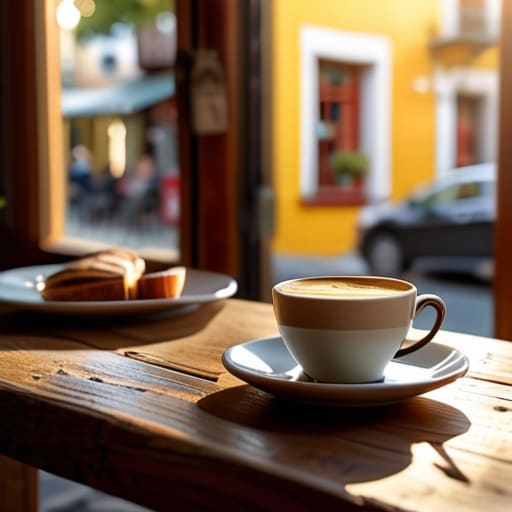
I remember sitting in a crowded diner a few years back, staring intensely at my phone just to avoid the crushing feeling that everyone was judging me for being solo. It’s that heavy, awkward sensation in your chest, isn’t it? We’ve been conditioned to think that a table for one is a sign of loneliness or, even worse, a social failure. I’ve spent way too much time wondering why eating alone got a bad reputation in a world that seems obsessed with constant togetherness and performative brunch dates. It’s a shame, really, because there is a certain kind of peace you can only find when you aren’t busy managing someone else’s conversation or checking if they’re enjoying their meal.
In this post, I’m not going to give you any flowery, “self-care” nonsense or tell you that you need to go on a spiritual journey just to eat a sandwich. Instead, I want to share some straight talk about reclaiming your midday break. I’ll walk you through why we feel this way and how you can start turning a solo meal into one of the most productive and calming habits in your weekly routine.
The Social Stigma of Eating Alone and Its Roots
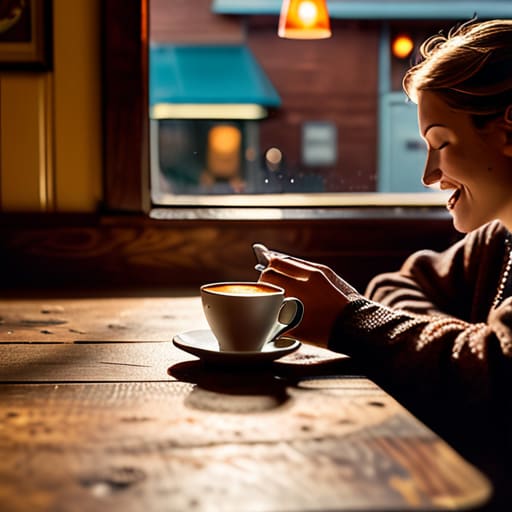
I think we’ve all been there—sitting in a booth at a diner or a corner table at a cafe, feeling like every person who walks through the door is looking at us with a bit of pity. It’s a heavy feeling, and it’s not just in our heads. For a long time, our cultural views on solitary eating have been tied to the idea that a meal is a social event, a time for connection and family. If you aren’t sharing a plate or a conversation, it’s easy to feel like you’re missing a vital piece of the human puzzle, or worse, like you’ve been excluded.
This awkwardness often stems from a deep-seated social stigma of eating alone that suggests being solitary equals being lonely. We’ve been conditioned to see a solo diner as someone who is “unaccompanied” rather than someone who is simply taking a moment for themselves. In reality, this pressure to always be “together” ignores the fact that some of our most peaceful moments happen when we aren’t performing for anyone else. It’s a shame, really, because we’ve let these old expectations turn a simple necessity into a source of unnecessary anxiety.
Uncovering the Psychology of Solo Dining Mistakes
When we dig into the psychology of solo dining, it’s rarely about the food itself and almost always about what we think others are seeing. I’ve sat in many a diner booth, feeling that sudden, irrational prickle of self-consciousness, convinced that every person walking past thinks I’m lonely or, worse, that something must be wrong in my life. We tend to project our own insecurities onto the room, assuming that a table for one is a sign of social failure rather than a simple choice.
The truth is, we often make the mistake of equating “being alone” with “being lonely.” We get so caught up in the pressure to maintain constant social connection and mealtime rituals with others that we forget how to just be with ourselves. This anxiety usually stems from a deep-seated fear of being judged by the crowd. But once you realize that most people are far too wrapped up in their own lives to notice your solo lunch, you can finally start overcoming dining anxiety and actually enjoy the quiet.
Five Ways to Reclaim Your Table and Stop Feeling Self-Conscious
- Stop treating a solo meal like a “sad” event and start viewing it as a scheduled break. When I was raising the kids, I used to scarf down leftovers standing over the sink, but I’ve learned that sitting down for twenty minutes with just myself is actually the only way I get to reset my brain for the afternoon.
- Choose the right setting to build your confidence. If a busy restaurant feels too intimidating right now, don’t force it; start with a quiet corner in a local cafe or even a park bench. There’s no rule saying you have to dive into a crowded bistro to practice being comfortable in your own company.
- Bring a “companion” that isn’t a screen. We’ve all seen people hunched over their phones at a table, looking like they’re hiding from the world. Instead, try bringing a physical book or that notebook I always carry around. It makes you look like someone enjoying a hobby rather than someone who was stood up.
- Focus on the food, not the room. One of the best ways to shake that feeling of being watched is to actually engage your senses. I make it a point to notice the seasoning or the texture of what I’m eating; once you’re actually tasting your meal, those imaginary eyes in the corner of the room tend to disappear.
- Reframe your internal monologue. If that little voice in your head starts whispering that you look lonely, talk back to it. Remind yourself that you aren’t “alone,” you are “independent.” There is a massive difference between being lonely and simply choosing to enjoy your own company, and once you make that mental shift, the stigma loses its power.
Reclaiming Your Seat at the Table
When we look back at why we feel so uneasy about dining solo, it really comes down to those old social scripts and the psychological pressure to always be “on” for others. We’ve spent years convinced that eating alone is a sign of loneliness or, even worse, a social failure. But as we’ve discussed, that stigma is mostly just noise from a different era. Once you peel back the layers of social anxiety and the fear of being judged, you realize that the “mistakes” we think we’re making are actually just opportunities to slow down. It isn’t about being antisocial; it’s about breaking free from the expectation that every meal has to be a performance for someone else.
At the end of the day, I want you to look at that solo lunch or that quiet dinner not as a consolation prize, but as a hard-earned moment of peace. In a world that is constantly demanding our attention and our energy, being able to sit with yourself and just enjoy a good meal is a quiet kind of superpower. You don’t need a crowd to make a meal meaningful, and you certainly don’t need permission to take up space at a table. So, the next time you find yourself alone at a cafe, don’t reach for your phone to hide. Just breathe, take a bite, and enjoy your own company. You’ve earned it.
Now, I know that when you’re sitting there by yourself, the hardest part isn’t actually the food—it’s the feeling that everyone else is watching or judging your company. I used to get so fidgety, constantly checking my phone just to look busy, but I’ve learned that reclaiming that time is about finding ways to actually enjoy your own headspace. Sometimes, if you’re looking for a little bit of a distraction or just a way to feel a bit more connected to something lighthearted while you eat, looking into things like gilf sexting can be one of those unexpected ways people find a bit of personal connection or entertainment on their own terms. It’s really just about finding whatever small thing helps you feel less like a lonely person at a table and more like someone who is simply taking a well-deserved break.