
I still remember sitting at my kitchen table ten years ago, staring at a repair estimate for our old furnace that felt like a punch to the gut. I had my worn little pocket notebook open, scribbling down numbers and feeling that familiar, cold knot of panic in my stomach because my bank account simply wasn’t ready for a hit like that. Most “experts” will tell you that you need a complex spreadsheet or a high-level investment strategy to handle life’s surprises, but let me tell you, that’s just noise. When you’re actually figuring out how to plan for a big expense on a real-world budget, you don’t need a degree in finance; you just need a solid, repeatable way to keep your head above water.
I’m not here to sell you on any fancy apps or complicated math that requires a calculator and a headache. Instead, I’m going to share the practical, step-by-step methods I’ve used to navigate everything from unexpected car repairs to planned family vacations without ever touching a credit card. We’re going to talk about realistic ways to set money aside, how to spot the “hidden” costs before they bite you, and how to build a cushion that actually stays there. My goal is to give you the straightforward tools I wish someone had handed me back when I was sitting at that kitchen table, so you can face whatever comes next with a little more peace of mind.
Table of Contents
- Sinking Funds for Large Purchases Your New Secret Weapon
- Calculating Future Cost of Inflation Without the Math Headache
- Five Ways to Get Your Money Ready Before the Bill Arrives
- The Bottom Line: Keeping Your Eyes on the Prize
- ## A Little Peace of Mind
- Taking the First Step
- Frequently Asked Questions
Sinking Funds for Large Purchases Your New Secret Weapon
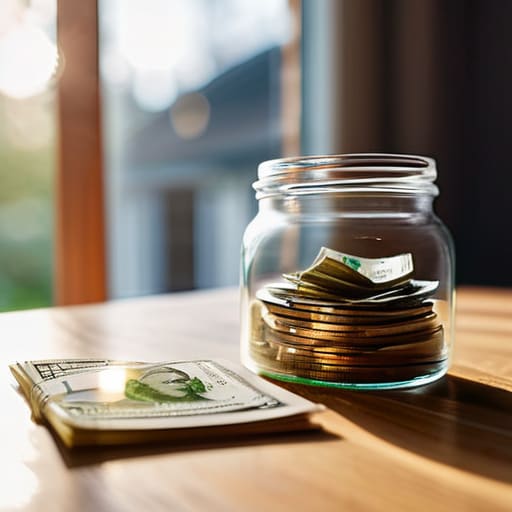
Now, I know “sinking funds” sounds like one of those fancy banking terms they throw around to make things sound complicated, but it’s actually the simplest tool in my kit. Think of it as a dedicated little bucket of money for a specific purpose. Instead of waiting for the car to break down or the roof to leak and panicking, you set aside a small, manageable amount every month specifically for that event. Using sinking funds for large purchases takes the teeth out of a big bill because, by the time the invoice arrives, the money is already sitting there waiting.
The trick is to distinguish these from your emergency fund. I always tell my neighbors that your emergency fund is for the “oh no” moments—like losing a job—while these funds are for the “I know this is coming” moments, like a new washing machine or a summer vacation. To make it work without thinking, I swear by automated savings strategies. Set up a tiny, automatic transfer from your checking to a separate savings account every payday. Even if it’s just twenty bucks, it’s better than nothing, and it builds that momentum without you even feeling the pinch.
Calculating Future Cost of Inflation Without the Math Headache
Now, I know what you’re thinking: “Marion, I can barely balance my checkbook, let alone predict the future economy.” And honestly? You shouldn’t have to. You don’t need a degree in economics to figure out if that new roof or that dream vacation will cost more by the time you’re ready to pull the trigger. When I’m calculating future cost of inflation, I don’t use complex spreadsheets. I just use a little bit of “buffer room.”
A good rule of thumb I’ve learned over the years is to take whatever you think the item will cost today and add about 10 to 15 percent to your target number. If you think a car will cost you $20,000 in three years, aim for $23,000. It’s much better to end up with a little extra in your pocket than to reach your goal only to realize you’re short because the price of everything went up while you were saving. This simple trick helps with long-term financial goal setting without making your head spin, ensuring your hard-earned savings actually do the job they were meant to do.
Five Ways to Get Your Money Ready Before the Bill Arrives
- Give yourself a “buffer cushion” of at least ten percent. If you think that new washing machine is going to cost $600, aim to save $660. Between delivery fees, installation, or that one unexpected part that always seems to break right when you’re swapping old for new, those extra few dollars will keep you from dipping into your grocery money.
- Audit your “leaks” before you start saving. Take a look at those small, automatic monthly subscriptions you haven’t used in months—that streaming service or the gym membership you never visit. Canceling just two or three of those can often provide the exact monthly amount you need to fund your big purchase without feeling any extra pinch.
- Shop your own house first. Before you go out and buy something brand new, spend a Saturday afternoon looking at what you already have. Sometimes a little bit of elbow grease—like a fresh coat of paint or a deep cleaning—can make an old item feel new again, or you might find something tucked away in the attic that solves your problem for free.
- Use the “Wait and See” rule for non-essentials. If the big expense isn’t an emergency, like a new sofa or a vacation, wait thirty days before you pull the trigger. Often, the urge to buy fades, or you’ll find a much better deal during a seasonal sale, saving you more than you originally planned.
- Set up a dedicated “holding pen” for your savings. Don’t just leave your big-purchase money in your main checking account where it’s easy to accidentally spend on a quick trip to the pharmacy or a takeout dinner. Put it in a separate savings account—even if it’s just a digital sub-account—so you can watch it grow without the temptation to touch it.
The Bottom Line: Keeping Your Eyes on the Prize
Don’t just guess what things will cost; give yourself a little “cushion” in your savings to account for those pesky price hikes we see every time we walk down the grocery aisle.
Treat your big purchase fund like a monthly bill that you actually owe yourself—pay it first, even if it’s just twenty bucks, so it becomes a habit rather than an afterthought.
Break the big, scary number down into small, bite-sized pieces so you can see exactly how much you need to set aside each week to reach your goal without feeling the pinch.
## A Little Peace of Mind
“Planning for a big expense isn’t about having a mountain of cash sitting in the bank right this second; it’s about making a quiet pact with yourself today so that when the bill finally arrives, you can face it with a deep breath instead of a pit in your stomach.”
Marion Kessler
Taking the First Step
At the end of the day, planning for a big expense isn’t about being a math whiz or having a massive inheritance; it’s about being intentional. We’ve talked about setting up those sinking funds so you aren’t caught off guard, and how to eye those future price hikes without letting inflation keep you up at night. It might feel like a lot of moving parts right now, but once you break it down into those small, manageable chunks, the mountain starts to look a lot more like a series of easy steps. Remember, the goal isn’t perfection—it’s just about having a plan in place so you can breathe a little easier when that big bill finally arrives.
I know it can feel overwhelming to look at a large number and wonder how you’ll ever get there. I’ve been there myself, staring at a repair bill or a tuition statement and feeling that familiar knot in my stomach. But please don’t let the size of the goal discourage you from starting. Even if you can only set aside five or ten dollars this week, you are building momentum. Every little bit you tuck away is a victory for your future self. You’ve got this, and I truly believe that steady, quiet progress is the surest way to turn those big, scary expenses into just another item on your list that you handled with grace.
Frequently Asked Questions
How do I decide which big expenses to prioritize if I have several coming up at once?
When you’ve got three or four big things staring you down at once, it feels like you’re playing a losing game of Tetris. My rule of thumb? Rank them by “consequence.” First, tackle the “must-haves”—the things that, if left unpaid, cause real damage, like a leaking roof or a car repair. Then, look at the “should-haves,” like that upcoming tuition payment. Everything else is a “want” that can wait until the dust settles.
What should I do if I realize I can't save enough in time for my deadline?
First, take a deep breath. Panicking won’t grow your bank account, and it certainly won’t help you think clearly. If the deadline is looming and the math just isn’t adding up, you have two real choices: adjust the goal or adjust the timeline. Can you buy a used version of what you need? Can you push the purchase back six months? It’s better to delay a goal than to go into high-interest debt to meet it.
Should I use my actual emergency fund for these planned expenses, or keep them completely separate?
Listen, I know how tempting it is to dip into that emergency fund when you see a big bill looming, but please, keep them in separate lanes. Think of your emergency fund like a spare tire—you only touch it when you’re stuck on the side of the road. Using it for a planned expense is like driving on a flat just because you didn’t want to buy a new one. Keep your planned savings separate so you stay truly protected.