
I remember sitting at my kitchen table ten years ago, surrounded by half-empty coffee mugs and a stack of “productivity planners” that cost more than my weekly grocery budget. I was trying so hard to figure out how to set goals that I ended up paralyzed by these fancy, color-coded systems that felt more like a second job than a way to improve my life. Honestly, most of the advice out there is just noise designed to make you feel like you aren’t doing enough if you aren’t waking up at 4:00 AM to meditate in a designer yoga studio.
I’m not here to sell you on a life overhaul or some expensive new app. Instead, I want to share the plain-and-simple way I actually get things done—the way that works when you’re balancing a budget, a household, and a dozen other responsibilities. We’re going to talk about small, manageable steps that fit into your real, messy life. I’ll show you how to pick targets that actually matter so you can stop spinning your wheels and start seeing real progress without the burnout.
Table of Contents
Using the Smart Goals Framework for a Tidier Life
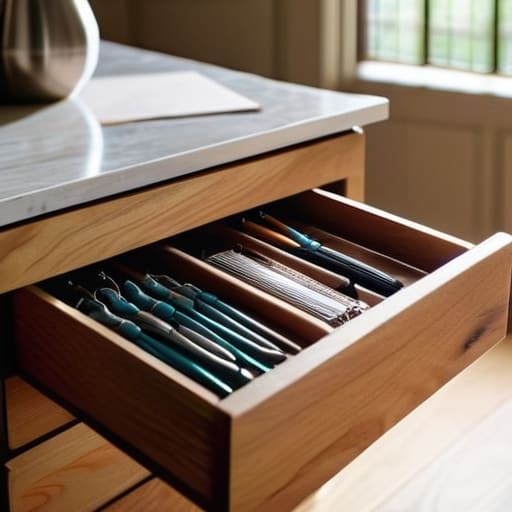
Now, I know when I hear words like “framework” or “methodology,” my eyes tend to glaze over a bit. It sounds like something you’d hear in a stuffy boardroom, not in a kitchen while you’re trying to clear off a mountain of mail. But the SMART goals framework is actually just a fancy way of making sure your intentions don’t get lost in the shuffle of daily life. Instead of saying, “I want a cleaner house,” which is about as helpful as saying “I want to be happy,” you give yourself a real target. You might say, “I will spend fifteen minutes every Tuesday and Thursday decluttering the junk drawer.”
The trick is to keep those targets specific and, more importantly, actually doable. When we talk about short term vs long term goals, I always tell my readers to focus on the small stuff first. If you try to reorganize the entire garage in one weekend, you’ll end up exhausted and frustrated. But if you aim to clear just one shelf by Sunday, you get that little hit of satisfaction that keeps you going. It’s about building momentum, one small win at a time.
Balancing Short Term vs Long Term Goals Without Burning Out

Now, here is where most of us trip up. We get so caught up in the big, shiny vision—like finally having a zero-balance credit card or a perfectly organized pantry—that we forget we actually have to live through the next twenty-four hours. When you’re staring down the mountain of short term vs long term goals, it’s easy to feel paralyzed. I used to do this all the time; I’d set a massive yearly budget and then feel like a total failure by Tuesday because I bought a latte. The trick is to realize that your long-term dreams are just a collection of small, boring wins.
To keep from burning out, you have to treat your daily tasks as the fuel for your bigger ambitions. Think of it like my Sunday batch-cooking: you aren’t just chopping onions for the sake of it; you’re doing it so you don’t starve or overspend on takeout during a hectic work week. Use simple goal tracking methods, like a plain old paper planner or a sticky note on the fridge, to celebrate those tiny, immediate victories. When you see that small progress is actually happening, it provides the steady motivation for goal achievement you need to keep going without losing your mind.
Five little ways to keep your goals from feeling like a chore
- Write them down where you’ll actually see them. I used to keep my goals tucked away in a fancy planner that sat on a shelf, but they didn’t mean a thing. Now, I keep a small list on my fridge or a sticky note on the bathroom mirror. If you don’t see it, you’ll forget it the second life gets busy.
- Focus on the “how,” not just the “what.” It’s easy to say, “I want to save an extra fifty dollars this month,” but that’s just a wish until you decide to pack your lunch on Tuesdays and Thursdays. A goal without a plan is just a daydream, and we don’t have time for those.
- Give yourself permission to scale back. If you set a goal to clean the whole house every Saturday and you miss one week, don’t throw the whole plan out the window. Just aim to do one load of laundry instead. It’s better to do something small than to do nothing at all because you’re feeling guilty.
- Celebrate the tiny victories. I know it sounds silly, but when I finally finish a big batch of Sunday meal prep or stick to my budget for a full week, I give myself a little pat on the back. Those small wins are the fuel that keeps you going when the long-term stuff feels too far away.
- Check in with yourself once a week. Life happens—kids get sick, the car breaks down, or you just have a rough week at work. Every Sunday evening, take five minutes to see how your goals are holding up. If they aren’t working, change them. A goal should serve you, not the other way around.
A Quick Cheat Sheet for Your New Routine
Don’t aim for perfection on day one; focus on making your goals specific and realistic so you don’t end up throwing in the towel by Wednesday.
Keep a healthy mix of “quick wins” to keep your momentum up and “big picture” dreams to keep you moving forward.
Be kind to yourself when life gets messy—if you miss a day or a goal, just pick up where you left off instead of letting it derail your whole week.
## A Little Piece of Advice
“Don’t go chasing some mountain-top dream that feels impossible from where you’re standing right now; just focus on the next small, sensible step that makes your Tuesday a little easier and your bank account a little fuller.”
Marion Kessler
One Step at a Time

At the end of the day, setting goals isn’t about creating a perfect, rigid blueprint that you’ll inevitably abandon by Tuesday. It’s really about using those SMART frameworks to make things manageable and learning how to balance those big dreams with the small, daily tasks that keep your house running. Whether you’re trying to chip away at a grocery budget or finally organize that overflowing junk drawer, the trick is to keep your eyes on the prize without losing your mind in the process. Remember, the goal is to make your life easier, not to add another heavy weight to your shoulders.
If you’re feeling a bit overwhelmed right now, just take a deep breath and start small. You don’t need to overhaul your entire existence by Monday morning; you just need to do one thing today that your future self will thank you for. I’ve learned over the years that progress isn’t always a straight line upward—sometimes it’s a messy, slow crawl—but as long as you keep moving, you’re doing just fine. You’ve got this, and I truly believe that these little, steady wins are what eventually build the life you’re working so hard for.
Frequently Asked Questions
What do I do if I set a goal and then life just gets in the way and I fall behind?
Listen, I’ve been there more times than I can count. One week you’re on track, and the next, the car breaks down or a kid gets the flu, and suddenly your “plan” is out the window. Don’t beat yourself up; that’s just life happening. When you fall behind, don’t try to sprint to catch up. Just take a breath, look at your list, and pick one tiny thing you can do today to get moving again.
How do I figure out which goals are actually important and which ones are just things I feel like I "should" be doing?
I call these “should” goals the “guilt list,” and I’ve spent plenty of time on them myself. To figure out what’s real, ask yourself: “If I never told a soul I achieved this, would I still want it?” If the answer is no, you’re likely doing it for show or out of obligation. Focus on the goals that make your actual daily life feel lighter, not the ones that just look good on paper.
Is it better to focus on one big goal at a time, or is it okay to work on a few small things at once?
Honestly, I used to think I had to tackle everything at once, but that’s a quick way to end up exhausted and defeated. If you’re feeling overwhelmed, stick to one big goal. But if you’re just looking to tighten up your routine, it’s perfectly fine to juggle two or three small, easy wins—like meal prepping and clearing the mail pile. Just don’t bite off more than you can chew, or you’ll never finish anything.