
I remember sitting at my kitchen table ten years ago, surrounded by a mountain of unpaid bills, a half-finished grocery list, and a laundry pile that seemed to be growing of its own accord. I had three different planners open, all of them filled with pretty colors and complex charts, yet I still felt like I was drowning in the shallow end. I kept searching for some magic app or a high-priced seminar to teach me how to prioritize tasks, thinking that if I just had a fancier system, my life would finally feel under control. But the truth is, those expensive gadgets don’t fix a chaotic mind; they just give you more clutter to manage.
I’m not here to sell you on a complicated productivity hack or a digital subscription you’ll forget to use by Tuesday. Instead, I want to share the plain-old common sense methods I’ve used to keep my head above water while raising a family and managing a household on a budget. I’m going to show you how to strip away the noise and focus on what actually moves the needle, so you can stop reacting to every little fire and start reclaiming your calm.
Table of Contents
Mastering the Urgent vs Important Distinction

Now, I know what you’re thinking: “Marion, everything feels like an emergency right now.” I’ve been there, staring at a mountain of laundry, a pile of bills, and a work email that feels like it’s screaming at me. But here’s the truth I had to learn the hard way: just because something is loud doesn’t mean it’s vital. To get a handle on your day, you really have to get comfortable with the urgent vs important distinction. An urgent task is that ringing phone or a sudden request from your boss that demands immediate attention. An important task, however, is the stuff that actually moves the needle—like planning your budget or finally fixing that leaky faucet—even if it doesn’t feel “loud” right away.
If you’re feeling overwhelmed, I highly recommend looking into the Eisenhower Matrix method. It sounds fancy, but it’s really just a simple way to sort your chaos into four buckets. You stop treating every little fire like a five-alarm blaze and start focusing on what actually matters for your long-term peace of mind. Once you start separating the noise from the necessities, you’ll find you aren’t just busy; you’re actually getting things done.
Using the Eisenhower Matrix Method for Clarity
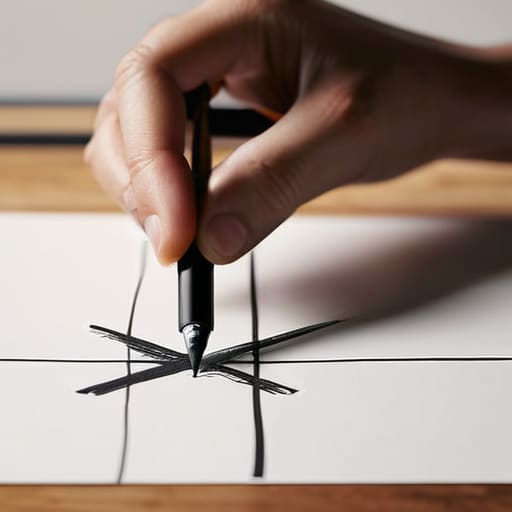
Now, if you’re feeling like your brain is a browser with fifty tabs open, I want to introduce you to something that changed the game for me: the Eisenhower Matrix method. It sounds fancy and academic, but it’s really just a simple way to sort your chaos into four little boxes. You take a piece of paper, draw a cross to make four squares, and start sorting your tasks based on whether they are actually urgent or just loud.
The first box is for those “hair on fire” emergencies that need doing right this second. The second is where the real magic happens—it’s for the important stuff that isn’t screaming for attention, like planning next week’s meals or finishing a project early. Most of us spend our whole lives stuck in the “urgent” boxes, reacting to every ping and buzz. By using these types of productivity frameworks, you can finally stop playing defense and start playing offense. It’s about carving out space for the things that actually move the needle in your life, rather than just putting out fires all day long.
Five ways to stop the scramble and actually get things done
- Pick your “Big Three” every single morning. I’ve learned the hard way that if I try to tackle a list of twenty things, I’ll end up doing nothing but feeling exhausted. Before you even touch your coffee, decide on the three most important tasks. If you do nothing else today but those three, consider it a win.
- Stop letting the “loudest” task win. Just because an email pops up with a red exclamation point doesn’t mean it’s more important than the budget report you promised your boss. Don’t let minor interruptions hijack your momentum; finish what you’re doing before you dive into the new distraction.
- Eat the frog first thing. There’s always that one task—the one that makes your stomach knot up just thinking about it. Do it first. If you push it to the afternoon, you’ll spend the whole day draining your mental energy worrying about it. Get it out of the way, and the rest of the day will feel like a breeze.
- Group your small chores together. I call this “batching,” and it works for housework just as well as it works for office work. Don’t stop your deep work to answer one quick email or file one receipt. Instead, set aside twenty minutes in the afternoon to knock out all those tiny, nagging tasks at once.
- Learn to say “not right now.” You don’t have to be rude, but you do have to be honest about your capacity. If someone asks for a favor when your plate is already overflowing, try saying, “I can’t get to that today, but I can look at it on Thursday.” It’s much better than saying yes and then failing to deliver.
Three simple ways to keep your head above water
Stop treating every little thing like an emergency; if it isn’t actually moving the needle on your goals, it can wait until you’ve handled the big stuff.
Pick your “big three” every morning and don’t even look at the rest of your list until those three are crossed off and done.
Learn to say “not right now” to the distractions that feel productive but are really just busywork designed to keep you from the work that matters.
## A little wisdom for the busy days
“You can’t pour from an empty cup, and you certainly can’t finish a hundred tasks if you’re spending all your energy on the ones that don’t actually move the needle. Stop trying to win the race against your to-do list and just start focusing on what truly matters.”
Marion Kessler
Finding Your Calm in the Chaos

At the end of the day, prioritizing isn’t about finding some magic trick to get more done; it’s about being honest with yourself about what actually moves the needle. We’ve talked about separating the loud, urgent distractions from the truly important work, and how a simple tool like the Eisenhower Matrix can act as a compass when you feel like you’re spinning your wheels. Remember, you don’t need a fancy digital planner or a high-priced productivity coach to make this work. You just need to sit down, look at your list, and decide what matters most before the world starts making demands on your time.
I know how it feels to end a long day feeling like you’ve been running a marathon but somehow ended up exactly where you started. It’s exhausting, and it’s a recipe for burnout. But I promise you, once you start picking your battles and protecting your energy, that heavy feeling in your chest starts to lift. You aren’t a machine, and you aren’t supposed to do everything. Focus on those few meaningful tasks, let the rest wait, and give yourself permission to breathe. A little bit of intentionality goes a long way in making a busy life feel like a well-lived one.
Frequently Asked Questions
What do I do when everything on my list feels like a "top priority" and I'm still feeling overwhelmed?
When everything feels like a fire that needs putting out, you’ve got to stop and take a breath. Truth is, if everything is a priority, nothing is. I used to do this until I realized I was just spinning my wheels. Pick the one task that, if finished, makes the rest feel easier or even unnecessary. Do that one thing first. Everything else can wait until you’ve actually found your footing.
How can I handle people who keep dropping "urgent" tasks on my desk while I'm trying to focus on my actual work?
Look, I’ve been there—trying to finish a report while someone keeps sliding “emergencies” onto my desk. My trick? I stopped saying “yes” immediately and started asking, “When do you need this by?” Most of the time, it’s not actually a fire; it’s just someone else’s lack of planning. If it really is urgent, I tell them exactly what I’m working on and ask which task should take priority. It’s not rude; it’s just being realistic.
Is there a way to prioritize my tasks without spending hours every day just staring at a planner or a spreadsheet?
Oh, I hear you. I used to spend more time color-coding my planner than actually getting things done, and it was exhausting. Honestly? Don’t overcomplicate it. Try the “Rule of Three.” Every morning, before you even touch your coffee, pick just three things that absolutely must happen today. That’s it. If you finish them, great—you can pick more. But if you hit those three, you’ve already won the day. Keep it simple.