I remember standing in my first tiny apartment, staring at a kitchen counter so crowded I couldn’t even find room to slice a loaf of bread. I had spent way too much money on those fancy, clear acrylic bins you see in glossy magazines, thinking they were the magic fix, but all they did was move my clutter from the floor to the shelf. I quickly learned that most of the “expert” advice out there regarding small space organization is just a way to sell you more plastic junk you don’t actually need. Real organization isn’t about buying a new system; it’s about making the space you already have actually work for your real, messy life.
I’m not here to tell you to throw away everything you own or spend a fortune at a high-end boutique. Instead, I want to share the practical, tried-and-true methods I’ve used to keep my own homes running smoothly without breaking the bank. We’re going to talk about using vertical space, repurposing what’s already in your junk drawer, and building habits that actually stick. My goal is to give you a clear roadmap to a tidier home that feels like a sanctuary, not a storage unit.
Table of Contents
Smart Vertical Storage Solutions for Busy Walls
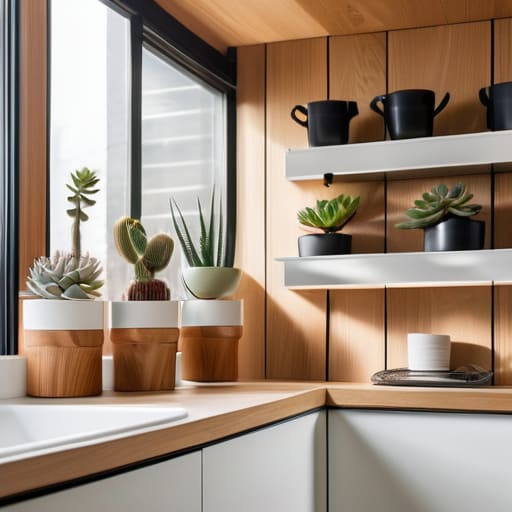
When you’re living in a tight footprint, the floor is your most precious commodity, so stop treating it like a dumping ground. If you feel like you’re tripping over every stray shoe or stack of books, it’s time to look up. I’ve found that investing in some solid vertical storage solutions—think floating shelves or even those sturdy pegboards you see in workshops—can change your whole perspective. Instead of letting your kitchen gadgets or craft supplies hog the counter, get them up on the wall where they can actually breathe.
One of my favorite tricks for keeping things tidy without spending a fortune is using wall-mounted organizers for those “in-between” items, like keys, mail, or even your daily planner. It keeps the visual noise down and prevents that feeling of being closed in by clutter. If you can find a way to utilize the space above your door frames or even the back of a pantry door, you’re winning. It’s all about making every inch count so your home feels like a sanctuary rather than a storage unit.
Clever Under Bed Storage Hacks Youll Actually Use
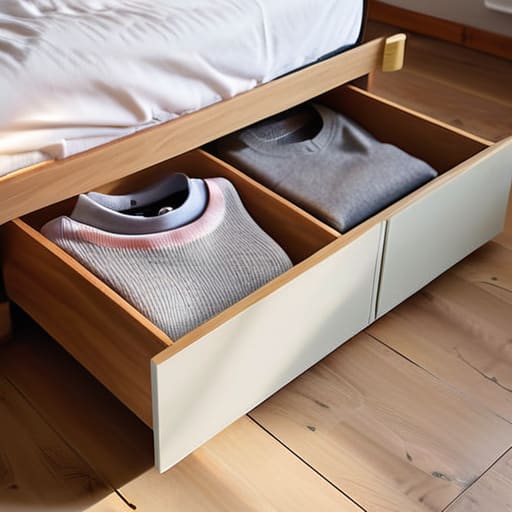
Now, if you feel like you’re constantly tripping over things in your living area, don’t forget to look down. Most of us treat the space under our beds like a graveyard for lost socks or a dusty corner we just ignore, but that’s prime real estate. One of my favorite under-bed storage hacks is using long, low-profile rolling bins. I use mine for those out-of-season sweaters and extra linens that I don’t need in the heat of July. If you have a bed frame that sits a bit too high, you can even use sturdy, uniform cardboard boxes wrapped in pretty fabric to keep things looking tidy rather than messy.
If your bed is low to the ground, don’t panic—you can still make this work. I’ve found that even a few slim, vacuum-sealed bags can work wonders for decluttering tiny homes by shrinking bulky comforters down to almost nothing. The trick is to be intentional; if you’re just shoving random junk under there, you aren’t actually organizing, you’re just hiding the mess. Treat that space like a hidden drawer, and you’ll be surprised how much breathing room you create in the rest of your room.
Five Simple Ways to Reclaim Your Space Without Breaking the Bank
- Stop letting your “junk drawer” take over the kitchen. Get yourself a few cheap, clear plastic bins from the dollar store to sort through the loose batteries, menus, and rubber bands. If you can see what’s in there, you won’t end up buying a second version of something you already own.
- Use the back of every door. I’m talking about those over-the-door shoe organizers that people think are just for sneakers. I use mine in the pantry for snack bags, in the bathroom for hair ties and lotions, and even in the laundry room for cleaning supplies. It’s instant shelf space that costs next to nothing.
- Group things by how you actually use them. It sounds simple, but I used to have my coffee pods in one cabinet and my mugs in another. Now, I keep them right next to each other in a little dedicated “coffee station.” When everything you need for a task is in one spot, you spend less time hunting and more time actually living.
- Get rid of the “maybe” clutter. We all have that one box in the closet filled with things we “might need someday.” If you haven’t touched it in a year, let it go. Donate it, sell it, or give it to a neighbor. You can’t organize your way out of having too much stuff.
- Master the art of the “one-in, one-out” rule. This was a lifesaver when I was trying to keep the kids’ toy clutter under control. If a new toy or a new sweater comes into the house, an old one has to leave. It keeps your space from slowly creeping toward chaos again.
Making it Stick: My Three Golden Rules
Stop looking at your floor and start looking at your walls; if you aren’t using that vertical space, you’re leaving precious room on the table.
If you’re going to tuck things under the bed, make sure they’re in clear, labeled bins so you aren’t playing a guessing game every time you need a sweater.
Don’t try to overhaul the whole house in one weekend—just pick one corner or one shelf at a time, or you’ll end up more stressed than when you started.
## A Little Room to Breathe
“Living in a small space isn’t about depriving yourself; it’s about being intentional. When you stop trying to cram everything into one corner and start giving every single item a proper, dedicated home, you aren’t just organizing a room—you’re finally giving yourself a little bit of breathing room.”
Marion Kessler
Making It Work for You
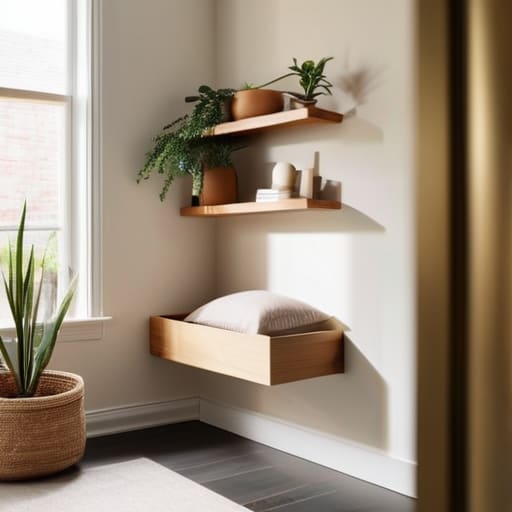
At the end of the day, organizing a small home isn’t about buying every fancy gadget you see on social media; it’s about being intentional with what you already have. We’ve looked at how to reclaim your walls with vertical storage and how to turn that dusty space under your bed into a functional storage goldmine. Whether you’re using bins to hide seasonal clothes or hanging hooks to clear off the kitchen counters, the goal is the same: to stop fighting your square footage and start working with it. Remember, the best system is the one that actually stays organized even on your busiest, most chaotic Tuesdays.
I know it can feel overwhelming when you look at a cluttered corner and think there’s just no way to fix it. But please, don’t feel like you have to tackle the whole house in one afternoon. Just pick one shelf, one drawer, or one wall, and start there. A tidy home doesn’t happen by magic; it happens through these small, steady wins. You deserve a space that feels like a sanctuary rather than a storage unit, and I promise you, you are more than capable of making it happen, one practical step at a time.
Frequently Asked Questions
I have a lot of heavy items like books and kitchen appliances; can I really trust wall shelves to hold them all without breaking?
That’s a fair question, and I get nervous about it too. You don’t want a pile of cookbooks crashing down on your head! The trick isn’t just the shelf; it’s what’s behind the wall. If you’re hanging heavy stuff, skip the cheap little plastic anchors. You’ve got to find those wooden studs with a stud finder and screw your brackets directly into them. Do that, and those shelves will hold your heavy appliances just fine.
How do I stop things from just getting lost and forgotten in those bins under my bed?
I’ve been there—I once lost a whole set of winter sweaters in a bin that stayed tucked away for two years. The trick is to stop treating those bins like “black holes.” First, use clear plastic containers so you can actually see what’s inside without digging. Second, grab a thick permanent marker and label everything clearly on the side. If you can’t see it or read it, it’s basically gone.
I don't want my home to look like a cluttered warehouse—how do I keep these storage solutions looking tidy and intentional?
That is the million-dollar question, isn’t it? You don’t want your living room looking like a storage unit. My golden rule is to “hide the chaos, show the character.” Use matching bins or woven baskets to corral the loose bits; it instantly makes a shelf look intentional rather than messy. And if you’re using open shelving, try to group similar items together. It’s about creating visual breathing room so your home still feels like a home.