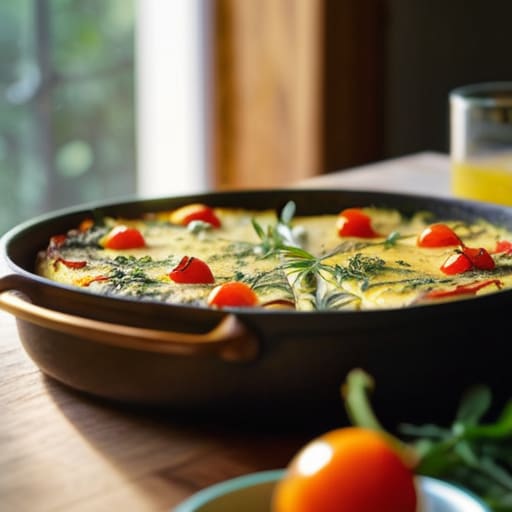
I still remember the sight of those Tupperware containers piled up in the back of my fridge during those lean years, looking more like a chore than a meal. I’d stare at a container of cold, limp roasted vegetables and think, there goes another twenty dollars I just threw in the trash. Most people will tell you that you need fancy meal-prep containers or a complicated “repurposing” strategy to make it work, but honestly, that’s just more clutter and more stress. Learning how to use leftovers shouldn’t feel like a second job; it should feel like a win for your wallet and your sanity.
I’m not here to give you any of those overly-complicated recipes that require a trip to a specialty grocery store. Instead, I want to share the plain-and-simple methods I’ve used for decades to turn yesterday’s dinner into something that actually tastes fresh. I’ll show you how to stretch your groceries further with a few practical kitchen habits that keep things easy and delicious. We’re going to focus on making your food work for you, so you can spend less time worrying about the budget and more time enjoying your evening.
Table of Contents
Smart Food Waste Reduction Tips for Every Kitchen
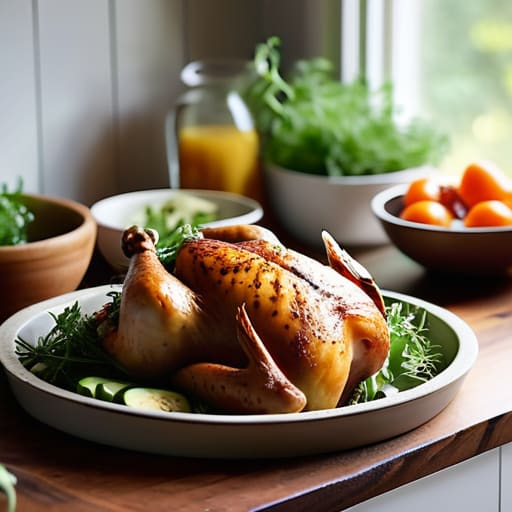
Now, I’m not one for fancy gadgets or expensive systems, but I’ve learned that a little bit of foresight goes a long way. One of my favorite creative kitchen hacks is to never look at a meal as a one-and-done event. When I’m cooking on a Sunday, I always make a little extra of the basics. If I’m roasting a chicken, I’m already thinking about how those scraps will become a hearty soup or a quick chicken salad for Tuesday’s lunch. It’s about repurposing cooked proteins so you aren’t staring blankly at the fridge at noon when you’re busy.
Another thing that saved my sanity when the kids were young was getting serious about storing leftovers safely. I keep a stack of glass containers ready to go; as soon as the pot is cool enough, the extra portions go straight into the fridge. This isn’t just about saving money—though it certainly does that—it’s about transforming dinner into lunch without any extra effort. When you treat your leftovers like ingredients rather than “old food,” you stop wasting money and start reclaiming your time.
Storing Leftovers Safely to Keep Your Food Fresh
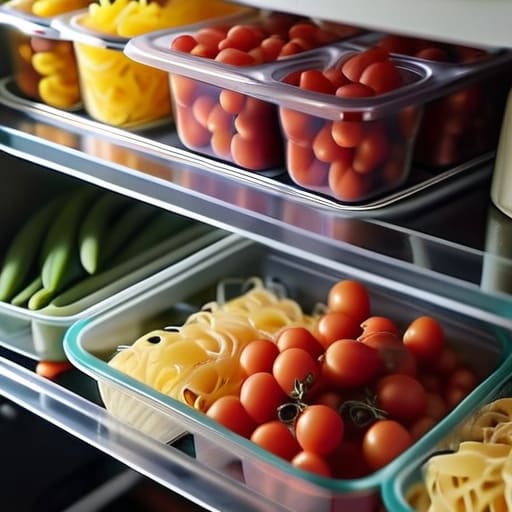
Now, none of these tricks matter if your food goes bad before you even get a chance to eat it. I learned the hard way back when I was raising the kids that a fridge full of “mystery containers” is just a recipe for a wasted grocery budget. To get the most out of storing leftovers safely, you’ve got to be disciplined about the timing. I always aim to get my containers into the fridge within two hours of finishing dinner. If it’s a hot summer day in the Midwest, you’d better move even faster.
I’m a big believer in using airtight glass containers rather than those flimsy plastic ones that stain and leak. They keep things much fresher, which makes transforming dinner into lunch a whole lot easier the next day. Also, don’t try to save everything; if you see something sitting in the back of the fridge for more than three or four days, it’s time to let it go. It’s better to lose a little bit of food than to risk a bout of food poisoning.
5 Easy Ways to Turn Yesterday's Dinner into Today's Win
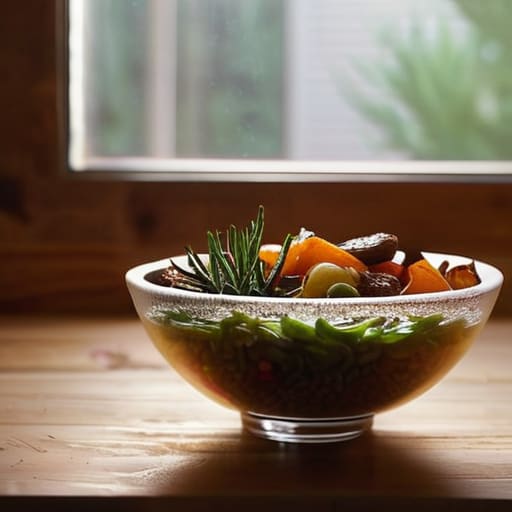
- Master the art of the “fridge forage” grain bowl. If you have a little bit of roasted veggie or a scoop of leftover rice sitting in a container, toss them into a bowl with a handful of greens, a hard-boiled egg, and whatever dressing you have on hand. It’s faster than a drive-thru and much cheaper.
- Give your proteins a second life in a quick stir-fry or taco night. That extra bit of grilled chicken or steak doesn’t need a formal plate; chop it up small and toss it into a skillet with some frozen veggies and soy sauce, or warm it up with a bit of cumin for some easy taco filling.
- Turn wilted greens and lonely veggies into a hearty soup. I always keep a “soup bag” in my freezer for vegetable scraps and ends of produce. When you have enough, simmer them in some broth with a can of beans, and you’ve got a warm, filling meal that costs next to nothing.
- Don’t overlook the power of a breakfast makeover. If you have leftover roasted potatoes or even a bit of cooked sausage from dinner, throw them into a pan with some eggs in the morning. It makes breakfast feel like a treat rather than a chore.
- Use your leftover sauces and grains as “flavor builders.” That half-jar of salsa or the small amount of cooked quinoa can be stirred into an omelet, a salad, or even a quick pasta dish to add texture and flavor without having to start from scratch every single time.
A Few Things to Remember Before You Head to the Kitchen
Treat your leftovers like a head start on tomorrow’s meal, not just a chore to finish off.
Always label your containers with a little masking tape and a marker so you aren’t playing the guessing game with what’s inside.
Don’t be afraid to get a little creative; a little bit of seasoning can turn last night’s plain roasted veggies into a brand-new taco filling.
A Little Wisdom from My Kitchen
“I used to see a Tupperware of leftover pasta as a chore, but now I see it as a head start. When you learn to look at last night’s dinner as tomorrow’s ingredients, you aren’t just saving money—you’re buying yourself a little more peace of mind during the evening rush.”
Marion Kessler
Making it Work for You
At the end of the day, getting the most out of your groceries isn’t about being perfect or following some complicated culinary system. It’s about those small, sensible steps we’ve talked about—knowing how to tuck your extra roast into a proper container so it stays fresh, and keeping an eye on that fridge so nothing gets lost in the back. When you start seeing your leftovers as ingredients for your next meal rather than just “old food,” everything changes. You’ll find yourself saving money on those mid-week takeout orders and spending less time standing over a hot stove when you’re tired. It’s just about working smarter, not harder, with what you’ve already paid for.
I know it can feel like just one more thing to manage on an already busy schedule, but I promise you, it gets easier. Don’t get discouraged if you toss something out here or there; we’ve all been there. Just try to pick one little habit this week, whether it’s a better way to store your greens or a new way to spruce up last night’s pasta. Before you know it, you’ll have a kitchen that runs a little smoother and a budget that feels a little more under your control. You’ve got this, and every little bit counts toward a calmer, more organized home.
Frequently Asked Questions
How long can I actually keep these leftovers in the fridge before they're no longer safe to eat?
Look, I’ve learned the hard way that “when in doubt, throw it out” is the best rule to live by. Generally, you’re looking at three to four days for most cooked meals. If it’s been sitting in there longer than that, even if it looks okay, I’d rather not risk it. I always keep a little sticky note on my containers with the date I cooked it—it saves so much guesswork.
Are there any specific types of food that just don't reheat well or turn into a mushy mess?
Now, I’ll be honest: not everything is meant for a second round. I’ve learned the hard way that certain things just don’t play well with the microwave. Fried foods lose that crunch and turn into something sad and soggy, and delicate things like scrambled eggs or creamy pasta sauces tend to break or get rubbery. If it’s meant to be crisp or silky, it’s usually better to enjoy it fresh the first time.
How can I mix up my leftover ingredients so I'm not eating the exact same meal three nights in a row?
The trick is to stop thinking about “leftovers” and start thinking about “ingredients.” If you have leftover roasted chicken, don’t just reheat it; shred it for tacos or toss it into a quick soup. If it’s plain pasta, add some sautéed greens and a fried egg to make it feel brand new. I always keep a few pantry staples—like beans, rice, or eggs—on hand to bridge the gap between yesterday’s meal and today’s new creation.